The rhythmic whir of an elliptical trainer is the soundtrack to many home workouts, offering a low-impact yet effective way to boost cardiovascular health and build endurance. But when that smooth hum turns into an annoying, persistent squeak, it can derail your focus and make every stride feel like a chore. Don’t let a noisy machine disrupt your fitness routine or tempt you into buying a new one prematurely. Often, those irritating sounds are signals your elliptical needs a little tender loving care, and with some basic tools and a systematic approach, you can restore its quiet operation quickly and effectively. This comprehensive guide will walk you through common causes of elliptical squeaks and provide detailed, do-it-yourself steps to get your machine running smoothly and silently again, ensuring your workouts remain peaceful and productive.
Understanding Why Your Elliptical Trainer Squeaks
A squeaking elliptical trainer is a common issue for many users, often signaling that specific components require attention. These noises typically arise from friction between moving parts that are either loose, dry, or obstructed. Identifying the root cause is the first step towards a lasting solution, helping you pinpoint the exact area needing repair.
Loose Hardware
|
Our Picks for the Best Elliptical Trainer in 2026
As an Amazon Associate I earn from qualifying purchases.
|
||
| Num | Product | Action |
|---|---|---|
| 1 | Under Desk Elliptical Machine, Electric Elliptical Leg Exerciser While Sitting for Seniors with Upgraded 15 Speeds & 12 Auto Mode, Forward & Reverse Direction, Quiet Portable Seated Pedal Exerciser |

|
| 2 | Under Desk Elliptical Machine, Electric Elliptical as Seen on TV for Seniors Adults with 15 Adjustable Speed, Quiet & Portable Electric Seated Pedal Exerciser with Remote Control & 5 Auto Mode |
|
| 3 | Under Desk Elliptical Machine, Upgraded 6 Adjustable Resistance &15 Speeds Electric Elliptical Leg Exerciser while Sitting for Seniors with Forward & Reverse Direction, Touch Screen and Remote Control |
|
| 4 | Under Desk Elliptical Machine, Electric Ellipse Leg Exerciser for Senior, Quiet and Compact Electric Seated Pedal Exerciser for Home with Display Monitor, Remote Control and 12 Adjustable Speeds |
|
| 5 | JLL Smart Mini Elliptical – Low-Impact Cardio, Quiet Magnetic Resistance (8 Levels), Compact for Home or Office, LCD Display, Bluetooth SunnyFit App Compatible |
|
| 6 | Cubii JR1, Under Desk Elliptical, Under Desk Bike Pedal Exerciser, Seated Elliptical, Work from Home Fitness, Mini Elliptical Machines for Home Use, Cubii Exerciser for Seniors, Desk Exercise |
|
| 7 | Elliptical Exercise Machine for Apartments and Homes,8 Levels of Magnetic Resistance,15.5-inch Stride Elliptical Machine, and Supports Users up to 400 pounds Elliptical Training Machines; |
|
| 8 | Sunny Health & Fitness Cardio Climber Stepping Elliptical Exercise Machine for Home with 8 Levels of Magnetic Resistance, Performance Monitor, Full Body Workout |
|
| 9 | Under Desk Elliptical Machine, Electric Seated Pedal Exerciser, Min Leg Exerciser with Remoter, 12 Level Speeds, Forward & Reverse Direction, Manual & Auto Mode for Home Office |
|
| 10 | Under Desk Elliptical Machine, Electric Elliptical Leg Exerciser for Seniors Fully Assembled, Quiet & Portable Electric Seated Pedal Exerciser with Remote Control & 12 Adjustable Speeds |
|
One of the most frequent culprits behind an elliptical’s unwelcome symphony is loose hardware. Over time, the constant motion and vibration from regular use can cause bolts, screws, and nuts to loosen. When these connections are not secure, metal parts can rub against each other, creating a high-pitched squeak or groan. This is particularly common around high-stress areas like the pedal arms, handle attachments, and frame connections. A thorough check and tightening of these fasteners can often resolve the issue entirely.
Lack of Lubrication
Just like any machine with moving parts, an elliptical trainer relies on proper lubrication to function smoothly. Lubricant minimizes friction between components, allowing them to glide effortlessly. Over time, however, this lubrication can dry out, wear off, or become contaminated with dust and debris. When crucial pivot points, rollers, or tracks lack sufficient lubrication, increased friction leads to audible squeaking, grinding, or creaking sounds. Applying the right type of lubricant is essential for restoring quiet operation.
Dust and Debris Buildup
Elliptical trainers, especially those used regularly, can accumulate a surprising amount of dust, pet hair, and other debris. This buildup can interfere with the smooth movement of parts, particularly on the tracks where rollers glide, or within the internal mechanisms where belts and wheels operate. When dust mixes with old lubricant, it can form a gritty paste that increases friction and causes squeaking. A thorough cleaning of these areas is often necessary before reapplying fresh lubricant.
Worn-Out Components
While less common for a quick DIY fix, persistent squeaking can sometimes indicate more significant wear. Components such as bearings, rollers, or belts can eventually wear out or become damaged, leading to consistent noise that tightening and lubrication cannot resolve. Bearings, in particular, can be a source of squeaking if they begin to fail, sometimes accompanied by a popping sound. While replacing these might require more advanced skills or professional help, it’s good to be aware of this possibility if other troubleshooting steps fail.
Essential Tools for DIY Elliptical Repair
Before you dive into fixing your squeaky elliptical trainer, gathering the right tools will make the process much smoother and more efficient. Most of these items are common household tools, ensuring that your DIY repair is truly accessible. Having them on hand means you won’t have to interrupt your work to search for what you need.
A standard wrench set is crucial for tightening various bolts and nuts. This should include a range of Allen keys (hex wrenches), as many elliptical trainers use hex-head fasteners, and possibly an adjustable wrench for larger nuts. You will also need a set of screwdrivers, specifically Phillips head and flathead, to remove protective covers and access internal components.
For lubrication, a silicone-based lubricant or PTFE lubricant (polytetrafluoroethylene) is highly recommended. It is vital to use a product specifically designed for fitness equipment or plastics, as petroleum-based lubricants can damage certain rubber or plastic parts. Never use WD-40 as a lubricant; it’s a degreaser and can strip away existing lubrication, making the problem worse.
To tackle dust and debris, a vacuum cleaner with brush attachments is ideal for reaching tight spaces and removing accumulated grime. You’ll also want several clean cloths or rags for wiping down surfaces and cleaning off old lubricant. A small brush or cotton swabs can be useful for precision cleaning in intricate areas. Finally, a pair of work gloves might be helpful to keep your hands clean.
Step-by-Step Guide: Fixing Your Squeaking Elliptical Trainer
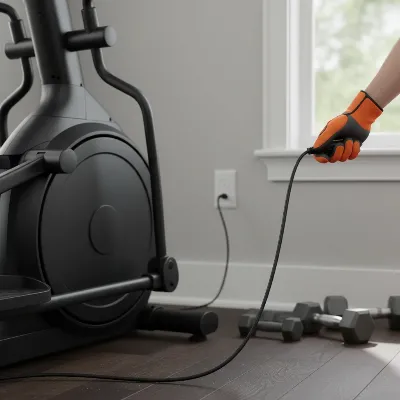
Addressing a noisy elliptical trainer can feel daunting, but by following a systematic approach, you can quickly identify and resolve most common squeaking issues. Each step builds on the last, ensuring you cover all potential problem areas efficiently. Remember to prioritize safety by unplugging your machine before you begin any work involving internal components.
Identify the Source of the Squeak
The first and most critical step is to pinpoint exactly where the squeak is coming from. Start by stepping on the elliptical and pedaling slowly, listening intently. Try varying your pace and resistance to see if the sound changes. Pay close attention to different areas: the pedals, the pivot points where the pedal arms connect to the frame, the handle bars, the rear wheels or rollers, and the flywheel area. Sometimes the squeak is only audible during a specific part of the stride cycle. Having a friend operate the machine while you listen from different angles can also be incredibly helpful in isolating the noise. Once you have a general idea of the location, you can focus your efforts.
Tighten All Loose Hardware
Armed with your wrench set and screwdrivers, systematically go around your entire elliptical trainer and tighten every visible bolt, screw, and nut. Start with the areas you suspect, such as the pedal arms, the connections to the handlebars, and any frame joints. Don’t forget the bolts connecting the pedals to the crank arms, the stabilizer bars, and any assembly points. Over time, vibrations can loosen even seemingly secure fasteners. Tighten them firmly, but avoid over-tightening, which can strip threads or damage components. This step alone often eliminates many common squeaks.
> “Many elliptical squeaks are simply a symptom of everyday wear and tear. A quick, thorough tightening of all hardware is often the most overlooked yet effective first step in silencing your machine.” – Alex Chen, Fitness Equipment Specialist
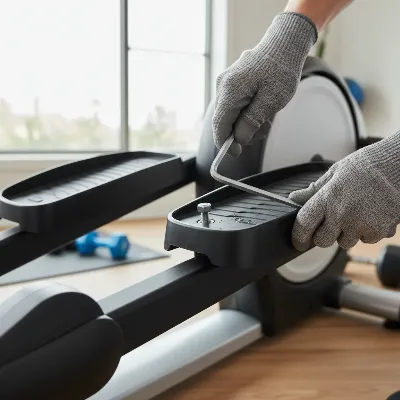 Person tightening bolts on an elliptical trainer with a wrench.
Clean Tracks, Rollers, and Joints
Dust and debris are silent saboteurs of smooth operation. Begin by carefully removing any protective covers that shield internal components, usually found near the flywheel or rear track. Use your vacuum cleaner with a brush attachment to thoroughly remove all accumulated dust, pet hair, and grime from the tracks, rollers, and any exposed joints. Pay special attention to the areas where the pedal rollers move along the track and where the main support arms pivot. Wipe down all cleaned surfaces with a dry or slightly damp cloth. This step is crucial because lubricant applied over dirt will only create a sticky mess and won’t effectively reduce friction.
Lubricate Moving Parts
Once everything is clean and tightened, it’s time to lubricate. Apply a silicone-based or PTFE lubricant sparingly to all pivot points, roller axles, and the tracks where the wheels glide. Focus on the points where metal meets metal or where plastic parts rub against each other. For the pedal support tubes and elliptical arms, you may need to apply lubricant to the inside of the sleeves or joints by carefully removing bolt caps and then reattaching them. Consult your elliptical’s user manual for specific lubrication points, as these can vary by model. Wipe off any excess lubricant immediately to prevent it from attracting more dust. Lubricating every 3-6 months, depending on usage, is a good preventative measure.
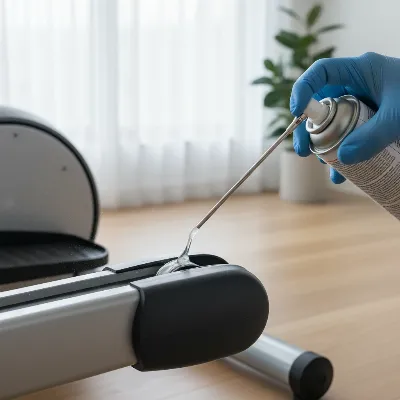 Hand applying lubricant to the moving parts of an elliptical trainer.
Inspect for Worn Components
Even after tightening and lubricating, if the squeak persists, you might have a worn-out component. While operating the machine, visually inspect the rollers for any cracks or flat spots. Check the belts (if accessible) for fraying or excessive looseness. Listen for any persistent grinding that might indicate failing bearings. If you suspect a worn part, consult your elliptical’s manual to identify the specific part number. While replacing a bearing or belt might be beyond basic DIY for some, knowing the issue can help you decide whether to attempt the repair yourself or call a professional.
Test Your Elliptical
With all the tightening, cleaning, and lubricating complete, it’s time for the moment of truth. Step back on your elliptical trainer and perform a test workout. Pedal at various speeds, adjust the resistance, and engage the moving handlebars if your machine has them. Listen carefully for any remaining squeaks or new noises. If the original squeak is gone, congratulations! If you still hear some noise, try to pinpoint its exact location again and repeat the relevant steps—sometimes a spot is missed, or a component needs a bit more attention.
Preventative Maintenance for a Silent Elliptical Trainer
Keeping your elliptical trainer quiet and performing optimally doesn’t have to be a reactive chore. By incorporating a few simple preventative maintenance habits into your routine, you can significantly reduce the chances of annoying squeaks and extend the lifespan of your machine. Regular care is the key to consistent, silent workouts.
First and foremost, regular cleaning is vital. After each workout, wipe down the frame, pedals, and handlebars with a clean, dry cloth. This prevents sweat, dust, and grime from building up and causing corrosion or sticky residue. Periodically, use a vacuum cleaner to remove dust from around the base, tracks, and any accessible internal areas. Preventing dust accumulation is crucial, as dust can mix with lubricants to create abrasive compounds that cause friction and noise.
Secondly, make monthly hardware checks a habit. Dedicate a few minutes once a month to go over all the bolts, screws, and nuts on your elliptical. The constant motion and vibration from exercise naturally cause fasteners to loosen over time. A quick pass with an Allen key or wrench to ensure everything is snug will prevent metal-on-metal rubbing and potential squeaks. This small effort can save you from a much larger, noisier problem down the line.
Finally, scheduled lubrication is essential. Depending on your elliptical’s usage frequency and manufacturer recommendations, aim to lubricate all moving parts, pivot points, and tracks every 3 to 6 months. Using a high-quality silicone-based or PTFE lubricant designed for fitness equipment will ensure smooth operation and minimize friction. Consistency in lubrication prevents parts from drying out and starting to squeak. Think of it as routine care for your machine’s joints, keeping them agile and silent.
When to Call a Professional for Your Elliptical
While many elliptical squeaks can be resolved with DIY troubleshooting, there are instances where professional intervention is the safest and most effective course of action. Knowing when to call in an expert can save you time, prevent further damage, and ensure your machine is repaired correctly.
If you’ve systematically followed all the DIY steps—tightened all hardware, thoroughly cleaned the tracks and joints, and applied appropriate lubrication—and the squeak persists, it’s a strong indicator that the issue might be more complex than a simple adjustment. Persistent noises often point to internal problems that are not easily accessible or repairable without specialized tools and knowledge.
Another clear sign to call a professional is if the squeaking noise is accompanied by popping or grinding sounds. This combination of noises often suggests issues with the machine’s bearings. Faulty bearings can lead to increased friction, heat, and potentially structural damage if not addressed promptly. Replacing bearings is typically a more intricate repair that requires specific tools and a good understanding of the elliptical’s internal mechanics, making it best left to an experienced technician.
Finally, any time you suspect complex mechanical failures or if your elliptical is still under warranty, reaching out to a certified professional is advisable. Attempting repairs beyond your skill level could void the warranty or inadvertently cause more damage. A professional fitness equipment technician has the expertise to diagnose intricate problems, access manufacturer-specific parts, and perform repairs safely and efficiently, ensuring your elliptical is returned to its optimal, silent operating condition.
Conclusion
A squeaking elliptical trainer can quickly turn a beneficial workout into an irritating experience, but the good news is that most of these noises can be resolved with a bit of DIY effort. By systematically identifying the source, tightening loose hardware, thoroughly cleaning dust and debris from tracks and joints, and applying the right lubricant, you can often restore your machine to its quiet, smooth-operating glory. Consistent preventative maintenance, including regular cleaning and scheduled lubrication, will also go a long way in preventing future squeaks and extending the lifespan of your valuable fitness equipment.
Remember, your Elliptical Trainer is an investment in your health, and a little attention can make a big difference in its performance and longevity. Don’t let a minor squeak escalate into a major headache; empower yourself with these simple steps. If, however, the noise persists despite your best efforts, or if you encounter popping sounds or suspect a deeper mechanical issue, don’t hesitate to consult a professional. With these strategies, you’ll be back to enjoying peaceful, effective workouts in no time. What small maintenance task will you tackle first to ensure your elliptical stays silent?
Frequently Asked Questions
What kind of lubricant should I use for my squeaking elliptical trainer?
Always use a silicone-based lubricant or a PTFE (polytetrafluoroethylene) lubricant specifically designed for fitness equipment. Avoid petroleum-based products like WD-40, as they can damage plastic and rubber components and may even worsen the squeak by attracting more dirt. Check your elliptical’s user manual for any specific recommendations.
How often should I lubricate my elliptical to prevent squeaks?
The frequency of lubrication depends on your elliptical’s usage and the manufacturer’s guidelines. As a general rule, lubricating all moving parts, tracks, and pivot points every 3 to 6 months is a good practice for home ellipticals. High-frequency use might warrant more frequent application.
My elliptical squeaks only when I use the moving handlebars. What should I check?
If the squeak is isolated to the handlebars, focus on the pivot points where they connect to the main frame and to the pedal arms. These areas are prone to loosening and drying out. Tighten any bolts or screws in these connections and apply a silicone-based lubricant to the pivot points.
Can dust buildup really cause an elliptical to squeak?
Absolutely. Dust, pet hair, and other debris can accumulate on tracks, rollers, and inside joints. This buildup increases friction between moving parts, especially if it mixes with old, dried-out lubricant, leading to squeaking, grinding, and reduced performance. Regular cleaning is crucial.
What if I’ve tried everything and my elliptical still squeaks?
If tightening, cleaning, and lubricating all visible and accessible parts don’t resolve the squeak, the issue might be with worn-out internal components like bearings or belts. In this case, it’s best to consult your elliptical’s user manual for troubleshooting or consider contacting a professional fitness equipment technician for diagnosis and repair.
Is it safe to use a squeaking elliptical trainer?
While an occasional squeak might not pose an immediate safety hazard, persistent squeaking often indicates increased friction or loose parts. Continuing to use a squeaking machine could lead to accelerated wear and tear on components, potentially causing further damage or an unexpected failure during a workout. It’s always best to address the noise promptly.
How can I prevent my new elliptical from developing squeaks?
Preventative maintenance is key. Regularly wipe down your machine after each use to prevent sweat and dust buildup. Perform monthly checks to ensure all hardware is tight, and follow a schedule for lubricating moving parts (typically every 3-6 months with a suitable lubricant). These habits will help maintain smooth, quiet operation.