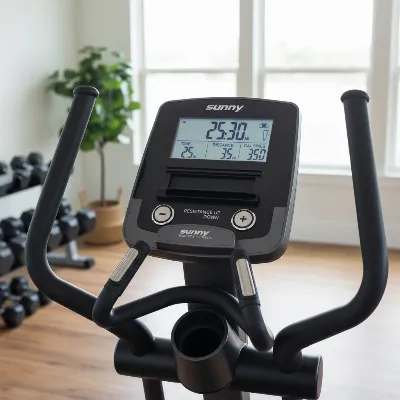
Few things are as frustrating as stepping onto your elliptical trainer, ready for a challenging workout, only to find the resistance isn’t responding. An elliptical trainer is a cornerstone of many home gyms, offering a low-impact, full-body cardiovascular workout that mimics running or climbing without the harsh impact on your joints. When its resistance mechanism falters, it can derail your fitness goals and leave you wondering what went wrong. Whether it’s stuck on a single setting, too easy, or not changing at all, a non-functional resistance system can turn your effective workout into a pointless pedal. This guide will help you understand the common culprits behind elliptical resistance issues and equip you with practical troubleshooting steps to get your machine back in top shape.
Understanding Elliptical Trainer Resistance Systems
Elliptical trainers employ various resistance mechanisms to create the force you work against during your workout. The most common type is magnetic resistance, which utilizes powerful magnets positioned near a metal flywheel. As you adjust the resistance level on your console, a motor moves these magnets closer to or further away from the flywheel. Moving them closer increases the magnetic field, creating more drag and thus higher resistance. Conversely, moving them further away reduces the resistance.
Some older or simpler models might use friction-based resistance, where pads press directly against the flywheel. However, magnetic systems are preferred for their smooth, quiet operation and precise control. Understanding which system your elliptical uses can be crucial for diagnosing problems. When resistance fails, it means there’s a breakdown in this delicate interplay of console commands, motor action, and magnetic force, preventing your machine from providing the targeted intensity your workouts demand.
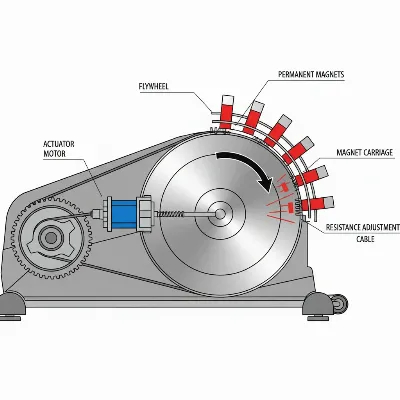 Detailed diagram of an elliptical trainer's magnetic resistance system with flywheel and magnets
Common Reasons Your Elliptical Resistance Fails
Identifying the root cause of your elliptical’s resistance problem is the first step toward a solution. Several key components can contribute to resistance failure, ranging from simple power issues to more complex mechanical or electronic malfunctions. Each potential problem requires a different approach to diagnosis and repair, making a systematic check essential.
Power Supply Issues
Insufficient or interrupted power is a surprisingly common reason for resistance problems. Your elliptical’s console and resistance motor rely on a stable power source to function correctly.
- Weak Batteries in Console: Many elliptical consoles are battery-powered, even if the main unit plugs into an outlet. If these batteries are low, the console may light up but lack the power to send adequate signals to the resistance motor, causing it to fail or perform erratically.
- Faulty AC Adapter or Power Cord: If your elliptical uses an AC adapter, a damaged cord or a malfunctioning adapter can prevent the entire machine, including the resistance motor, from receiving sufficient power. Inspect the cord for kinks, cuts, or loose connections at both ends.
- Loose Power Connections: Sometimes, the power cord simply isn’t fully seated in the elliptical or the wall outlet. Even a slightly loose connection can lead to intermittent power, affecting resistance adjustments.
|
Our Picks for the Best Elliptical Trainer in 2026
As an Amazon Associate I earn from qualifying purchases.
|
||
| Num | Product | Action |
|---|---|---|
| 1 | Elliptical Exercise Machine for Apartments and Homes,8 Levels of Magnetic Resistance,15.5-inch Stride Elliptical Machine, and Supports Users up to 400 pounds Elliptical Training Machines; |

|
| 2 | Under Desk Elliptical Machine, Electric Ellipse Leg Exerciser for Senior, Quiet and Compact Electric Seated Pedal Exerciser for Home with Display Monitor, Remote Control and 12 Adjustable Speeds |
|
| 3 | Under Desk Elliptical Machine, Upgraded 6 Adjustable Resistance &15 Speeds Electric Elliptical Leg Exerciser while Sitting for Seniors with Forward & Reverse Direction, Touch Screen and Remote Control |
|
| 4 | Under Desk Elliptical Machine, Electric Elliptical as Seen on TV for Seniors Adults with 15 Adjustable Speed, Quiet & Portable Electric Seated Pedal Exerciser with Remote Control & 5 Auto Mode |
|
| 5 | Cubii JR1, Under Desk Elliptical, Under Desk Bike Pedal Exerciser, Seated Elliptical, Work from Home Fitness, Mini Elliptical Machines for Home Use, Cubii Exerciser for Seniors, Desk Exercise |
|
| 6 | Under Desk Elliptical Machine, Electric Seated Pedal Exerciser, Min Leg Exerciser with Remoter, 12 Level Speeds, Forward & Reverse Direction, Manual & Auto Mode for Home Office |
|
| 7 | Under Desk Elliptical Machine, Electric Elliptical Leg Exerciser While Sitting for Seniors with Upgraded 15 Speeds & 12 Auto Mode, Forward & Reverse Direction, Quiet Portable Seated Pedal Exerciser |
|
| 8 | Sunny Health & Fitness Cardio Climber Stepping Elliptical Exercise Machine for Home with 8 Levels of Magnetic Resistance, Performance Monitor, Full Body Workout |
|
| 9 | Under Desk Elliptical Machine, Electric Elliptical Leg Exerciser for Seniors Fully Assembled, Quiet & Portable Electric Seated Pedal Exerciser with Remote Control & 12 Adjustable Speeds |
|
| 10 | JLL Smart Mini Elliptical – Low-Impact Cardio, Quiet Magnetic Resistance (8 Levels), Compact for Home or Office, LCD Display, Bluetooth SunnyFit App Compatible |
|
Console Malfunctions
The console acts as the brain of your elliptical, translating your commands into actions. A problem here can directly impact resistance.
- Broken Resistance Buttons: Over time, the buttons on your console, especially those frequently used for resistance adjustment, can wear out or become unresponsive due to internal damage or debris.
- Internal Console Error: Software glitches or internal circuit board failures within the console can prevent it from sending the correct signals to the resistance motor, leading to resistance that is stuck, too high, or too low.
- Communication Issues with the Resistance Motor: Even if the console itself seems fine, a break in communication between the console and the resistance motor can occur. This might be due to a faulty internal connection or a software bug preventing proper data transmission.
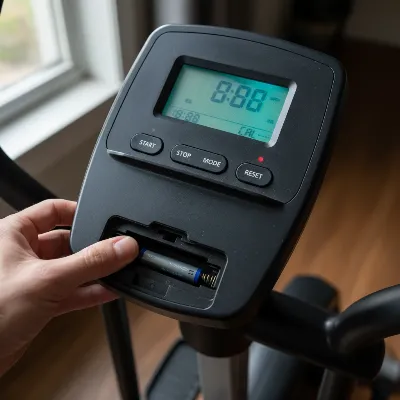 A close-up of an elliptical trainer's console, with a hand checking the battery compartment. The console screen is partially lit or flickering, indicating a power issue. Realistic style, good lighting.
Resistance Motor Problems
The resistance motor, often referred to as a servo motor, is the component that physically adjusts the magnets to change resistance.
- Worn-out or Defective Resistance (Servo) Motor: Like any mechanical part, the resistance motor can wear out over time. It might struggle to move the magnets, make grinding noises, or stop functioning altogether. A complete failure will mean resistance remains static.
- Broken Internal Cables Connected to the Motor: Within the elliptical, small cables or wires connect the resistance motor to the magnetic assembly. If these cables snap or become detached, the motor can’t physically move the magnets, rendering resistance adjustments impossible. This often results in the resistance defaulting to its highest setting.
Magnetic Resistance System Damage
In ellipticals that use magnetic resistance, issues with the magnets themselves or the flywheel can disrupt resistance.
- Misaligned or Damaged Magnets: If the permanent magnets or the electromagnet assembly become dislodged or damaged, they may not create the correct magnetic field, leading to inconsistent or non-existent resistance. This can happen due to impact or general wear.
- Wear and Tear on the Flywheel or Braking System: While less common for magnetic systems, any damage or significant wear to the flywheel surface could, in rare cases, indirectly affect how the magnetic field interacts, leading to perceived resistance issues. In friction-based systems, worn pads would directly cause this.
Loose or Damaged Wiring
The internal wiring of your elliptical connects the console to the resistance motor and other components. These connections are vital for transmitting commands and power.
- Corroded or Disconnected Wires Between Console and Motor: Over time, especially in humid environments, electrical contacts can corrode, or wires can simply come loose due to vibrations from use. A disconnected wire means no signal can reach the resistance motor.
- Damaged Wire Harnesses: The bundles of wires (harnesses) inside the machine can sometimes be pinched or frayed, leading to intermittent or complete signal loss. Identifying and repairing such damage is crucial for restoring functionality.
Drive Belt or Tension Wire Issues
While primarily affecting the overall smooth operation and pedal motion, severe issues with the drive belt or tension wire can sometimes be perceived as resistance problems.
- Broken or Slipping Drive Belt: If the main drive belt that connects the pedals to the flywheel is broken or slipping excessively, you might feel very little resistance, or the pedaling motion might feel uneven and disconnected, making it seem like the resistance isn’t working.
- Damaged Tension Wire: Some ellipticals use a tension wire to control the resistance mechanism. If this wire is stretched, broken, or improperly installed, the machine’s ability to adjust resistance will be severely compromised.
Software or Calibration Problems
Modern ellipticals are increasingly sophisticated, relying on software to manage various functions, including resistance.
- Machine Needs Recalibration: After prolonged use, moving, or even just a power surge, the internal calibration of the resistance system can go off. Recalibrating tells the machine the correct range of motion for its resistance components.
- Firmware Glitches: Like any electronic device, your elliptical’s internal software (firmware) can experience glitches, leading to erratic behavior, including resistance issues. Sometimes a factory reset or a firmware update (if available) can resolve these.
Step-by-Step Troubleshooting for Resistance Problems
Before calling a professional, many common elliptical resistance problems can be diagnosed and potentially fixed with a methodical approach. Always unplug your elliptical before inspecting internal components to ensure safety.
Basic Checks First
Start with the simplest solutions, as they often resolve the issue without requiring complex repairs.
- Power Cycle the Machine: Unplug the elliptical from the wall outlet for at least 60 seconds, then plug it back in. If it runs on batteries, remove them for a minute and reinsert them. This can reset the electronics and resolve minor glitches.
- Check All Visible Connections: Ensure the main power cord is securely plugged into both the wall outlet and the elliptical. If your machine has external console cables (sometimes found on older models), make sure they are firmly connected.
- Verify Battery Status in the Console: If your console uses batteries, replace them with fresh ones, even if the display seems to be working. Low batteries can power the display but not the resistance motor.
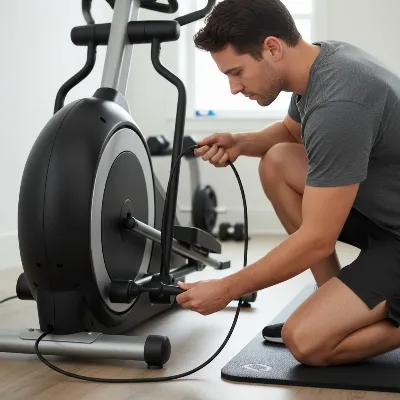 A person inspecting the power cord and connections at the back of an elliptical trainer, ensuring they are secure. Focused on safety and basic checks. Realistic, well-lit scene.
Test Console Functionality
Once basic power is confirmed, check if the console is properly interacting with the resistance system.
- Try Adjusting Resistance Manually: Attempt to change the resistance levels using the up/down arrows or dial on your console. Listen for any sounds from within the elliptical that indicate the resistance motor is attempting to move. If there’s no response, it suggests a communication or motor issue.
- Reset Console (Refer to Manual): Many ellipticals have a factory reset option. Consult your owner’s manual for specific instructions on how to perform this. A reset can clear software errors and restore default settings.
Inspect Internal Components (If Comfortable)
If basic checks and console tests don’t yield results, you might need to look inside the machine. This step requires some mechanical aptitude and always remember to unplug the machine first.
- Locate and Inspect the Resistance Motor (Servo Motor): Remove the covers shielding the flywheel and resistance mechanism. The resistance motor is typically a small motor with a cable or arm attached to the magnet assembly. Look for any visible damage, loose wires, or obstructions preventing its movement.
- Check for Broken or Disconnected Internal Cables/Wires: Carefully examine all wires connecting the console to the resistance motor and the motor to the magnetic assembly. Wires can fray, become disconnected, or even snap, particularly the thin cables controlling the magnet position.
- Examine Magnetic Assembly for Alignment: In magnetic resistance systems, check if the magnets are securely in place and properly aligned with the flywheel. If they appear shifted or damaged, they may not be creating the correct resistance.
- Check Drive Belt Tension and Condition: While less common for resistance adjustment issues, a loose or damaged drive belt can make pedaling feel inconsistent. Ensure it’s taut and free of cracks or slipping.
Advanced Diagnostics with a Multimeter
For those with electrical troubleshooting experience, a multimeter can help pinpoint issues related to power delivery to the resistance motor.
- Checking Voltage to the Resistance Motor: With the machine plugged in (and being extremely cautious to avoid contact with live wires), use a multimeter to measure the DC voltage at the resistance motor when you attempt to adjust resistance via the console. If the console sends voltage but the motor doesn’t move, the motor is likely faulty.
- Testing Continuity of Wiring: Unplug the machine. Use the multimeter’s continuity setting to check the integrity of the wires between the console and the resistance motor. Infinite resistance or no continuity indicates a broken wire that needs repair or replacement.
> “Understanding the subtle hum of your elliptical and recognizing changes in its feel are key. Often, what seems like a major breakdown is a simple, overlooked connection.” – Alex Stone, Certified Fitness Equipment Technician
Recalibrating Your Elliptical
If mechanical and electrical checks show no obvious faults, recalibration might be necessary to synchronize the console’s resistance settings with the physical mechanism.
- General Steps, Emphasize Manufacturer’s Manual: Recalibration procedures vary by manufacturer and model. Typically, it involves entering a diagnostic mode via the console buttons and then following on-screen prompts to cycle the resistance through its full range. Always refer to your specific owner’s manual for detailed, model-specific instructions.
When to Call a Professional for Elliptical Repair
While many issues can be resolved with DIY troubleshooting, some problems are best left to experienced technicians. Knowing when to call a professional can save you time, prevent further damage, and ensure your safety.
- When Basic Troubleshooting Fails: If you’ve gone through all the basic checks and even the more advanced multimeter diagnostics without identifying or resolving the issue, it’s time for expert help.
- Complex Electrical Issues: Dealing with internal circuit boards, console replacements, or intricate wiring harnesses beyond simple connections can be risky without proper training.
- Motor Replacement: Replacing a resistance motor typically involves dismantling a significant portion of the machine and requires specific tools and knowledge to ensure correct installation and calibration.
- Safety Concerns: If you are unsure about any step, uncomfortable working with electrical components, or if the machine is behaving erratically in a way that poses a safety risk, do not attempt to fix it yourself.
- Warranty Considerations: Attempting complex repairs yourself might void your warranty. Check your warranty terms before proceeding with significant internal work.
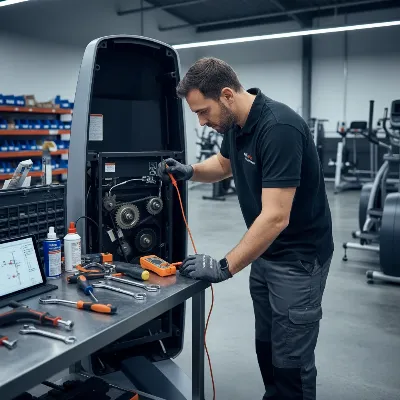 A professional fitness equipment technician carefully inspecting the internal components of an elliptical trainer, with tools laid out. Focus on expertise and precision. Industrial workshop setting, clear lighting.
Preventing Future Resistance Issues
Proactive maintenance and proper usage can significantly extend the life of your elliptical trainer and prevent recurring resistance problems. A little routine care goes a long way in ensuring smooth, consistent workouts.
Regular Maintenance Schedule
Consistency is key to keeping your elliptical in top condition.
- Cleaning: Regularly wipe down your elliptical after each use to remove sweat and dust, which can corrode components or accumulate in moving parts. Pay special attention to the console and resistance controls.
- Lubrication: Consult your owner’s manual for specific lubrication points and recommended lubricants. Greasing pivot points, joints, and any areas indicated by the manufacturer can reduce friction and wear.
- Tightening Loose Bolts/Screws: Over time, vibrations from use can loosen bolts and screws. Periodically check and tighten all accessible fasteners to maintain structural integrity and prevent parts from shifting, which could indirectly affect resistance mechanisms.
Proper Usage and Care
How you use and store your elliptical impacts its longevity.
- Follow Manufacturer’s Guidelines: Adhere to weight limits, usage recommendations, and environmental specifications outlined in your manual. Operating the machine outside these parameters can accelerate wear and tear.
- Avoid Overloading the Machine: Consistently exceeding the machine’s maximum user weight or putting excessive strain on it through improper form can stress the resistance motor and other mechanical components.
Power Source Best Practices
Ensuring a clean and stable power supply protects your elliptical’s electronics.
- Use Surge Protectors: Plug your elliptical into a surge protector to shield it from power fluctuations and spikes, which can damage sensitive electronic components like the console or resistance motor.
- Check Batteries Periodically: If your console is battery-powered, make it a habit to check and replace batteries every 6-12 months, or sooner if you notice any erratic behavior from the display or resistance.
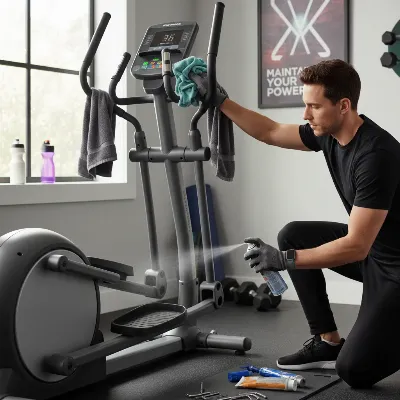 A person cleaning and lubricating an elliptical trainer. Focus on maintaining components like joints and console. Bright, home gym setting, practical and helpful. Realistic style.
Conclusion
A malfunctioning resistance system on your elliptical trainer can be a significant hurdle to maintaining your fitness routine. However, by systematically troubleshooting the common causes—from simple power issues and console glitches to more complex motor and wiring problems—you can often pinpoint the issue and restore your machine to full functionality. Regular maintenance, including cleaning, lubrication, and checking connections, is your best defense against future breakdowns. When in doubt, or faced with complex repairs, don’t hesitate to consult a professional technician to ensure safety and proper operation. Getting your elliptical’s resistance working again means you can get back to those effective, low-impact workouts you rely on. What steps will you take today to ensure your Elliptical Trainer is always ready for your next fitness challenge?
Frequently Asked Questions
Why is my elliptical always at max resistance?
This often indicates a broken internal resistance cable or a faulty resistance (servo) motor. When the cable snaps, the magnetic assembly may retract to a position that creates maximum resistance, or the motor may be stuck in a high-resistance state. Checking internal cables and the motor for damage is a good starting point.
How do I reset the resistance on my elliptical?
Most ellipticals can be reset by unplugging them from power for 60 seconds (or removing batteries) and then reconnecting. For a software reset, consult your owner’s manual for model-specific instructions, which usually involve a sequence of button presses on the console to access a factory reset or calibration menu.
Can a loose belt cause resistance problems?
Yes, indirectly. A loose or damaged drive belt, which connects the pedals to the flywheel, can lead to a feeling of very little resistance or an inconsistent, slipping motion. While not a direct resistance adjustment issue, it significantly impacts the workout feel and perceived resistance, making pedaling inefficient.
Should I try to fix the resistance motor myself?
Replacing a resistance motor typically involves opening the machine, handling electrical components, and recalibrating the system. If you are not experienced with such repairs, it’s generally safer and more effective to hire a professional technician to avoid further damage or potential injury.
How often should I perform maintenance to prevent resistance issues?
Regular maintenance is key. Wipe down your elliptical after each use. Perform a more thorough inspection, including checking for loose bolts, lubricating moving parts, and verifying power connections, every 3-6 months. Always refer to your specific elliptical’s manual for recommended maintenance schedules.