To achieve a silky-smooth elliptical glide, regularly clean, lubricate with silicone-based products, tighten loose hardware, and inspect key components like bearings and the drive belt. An elliptical trainer offers a low-impact, full-body workout, but over time, even the best machines can develop squeaks, stiffness, or a jerky motion. This DIY guide helps identify, troubleshoot, and fix common issues, ensuring your elliptical operates smoothly and silently, extending its lifespan and enhancing your fitness routine.
What Causes a Rough Elliptical Glide and How to Diagnose It?
A less-than-smooth elliptical experience can manifest in various ways, from persistent squeaks to an uneven or stiff motion. Identifying the root cause is the first critical step in bringing your machine back to optimal performance. Often, the culprit is simple wear and tear, accumulation of dust and sweat, or a lack of proper lubrication.
Common sounds like squeaking or creaking typically point to dry joints or loose hardware. A clicking noise might indicate a loose bolt or a worn-out component, while a grinding sound could suggest a misaligned flywheel or damaged bearings. If you feel a thumping sensation, the machine might not be level, or there could be an issue with the drive belt. Pay close attention to when and where the noise occurs—is it on every stride, only on one side, or worse at higher resistance? This can help pinpoint the problematic area, such as the pedals, crank arms, or the main frame connections. Regularly inspecting your elliptical allows you to catch these small issues before they escalate into more significant problems, saving you time and potential repair costs in the long run. For expert home fitness reviews on this site.
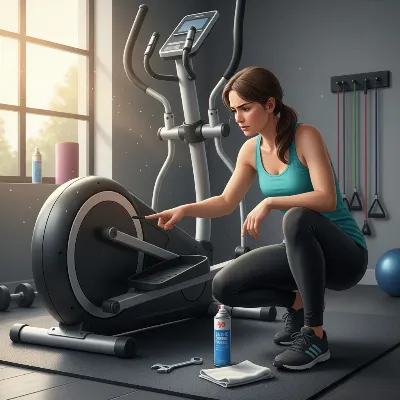 A person inspecting an elliptical trainer, looking for sources of squeaking and rough glide, with diagnostic tools like a wrench and lubricant visible.
Your DIY Guide to a Silky-Smooth Elliptical Trainer
Restoring your elliptical to its former glory doesn’t require a professional technician in most cases. With a methodical approach and the right maintenance practices, you can often achieve a smooth, quiet glide yourself. This section covers the essential DIY steps for cleaning, lubricating, tightening, and inspecting your machine.
Regular Cleaning: Your First Line of Defense
Dust, dirt, and dried sweat are the silent enemies of your elliptical’s smooth operation, leading to increased friction and premature wear. Consistent cleaning is fundamental to preventing these issues. After every workout, use a soft, damp cloth to wipe down any surfaces that come into contact with your hands or feet, including the handlebars, pedals, and console screen. This simple habit prevents the buildup of corrosive sweat and grime.
Monthly, dedicate time for a more thorough cleaning. Focus on the tracks, rollers, and other moving parts. Use a mild soap and water solution with a non-abrasive cloth to remove stubborn dirt. For front-drive ellipticals, it is crucial to keep the roller wheels and their tracks clean and dust-free. Any residual sweat or corrosion spots on the rails can be gently cleaned with a Scotch-brite pad or even aluminum foil with water, but be careful not to scratch the surfaces. Annually, or semi-annually, unplug your machine and carefully remove any external housing (consult your manual for this). Use a vacuum cleaner to remove dust and pet hair from around the internal components, taking care to avoid touching any electronics or cabling. This prevents internal blockages and overheating.
Strategic Lubrication: The Key to Quiet Operation
|
Our Picks for the Best Elliptical Trainer in 2026
As an Amazon Associate I earn from qualifying purchases.
|
||
| Num | Product | Action |
|---|---|---|
| 1 | Cubii JR1, Under Desk Elliptical, Under Desk Bike Pedal Exerciser, Seated Elliptical, Work from Home Fitness, Mini Elliptical Machines for Home Use, Cubii Exerciser for Seniors, Desk Exercise |

|
| 2 | Under Desk Elliptical Machine, Electric Elliptical as Seen on TV for Seniors Adults with 15 Adjustable Speed, Quiet & Portable Electric Seated Pedal Exerciser with Remote Control & 5 Auto Mode |
|
| 3 | Elliptical Exercise Machine for Apartments and Homes,8 Levels of Magnetic Resistance,15.5-inch Stride Elliptical Machine, and Supports Users up to 400 pounds Elliptical Training Machines; |
|
| 4 | Under Desk Elliptical Machine, Upgraded 6 Adjustable Resistance &15 Speeds Electric Elliptical Leg Exerciser while Sitting for Seniors with Forward & Reverse Direction, Touch Screen and Remote Control |
|
| 5 | Under Desk Elliptical Machine, Electric Seated Pedal Exerciser, Min Leg Exerciser with Remoter, 12 Level Speeds, Forward & Reverse Direction, Manual & Auto Mode for Home Office |
|
| 6 | JLL Smart Mini Elliptical – Low-Impact Cardio, Quiet Magnetic Resistance (8 Levels), Compact for Home or Office, LCD Display, Bluetooth SunnyFit App Compatible |
|
| 7 | Under Desk Elliptical Machine, Electric Elliptical Leg Exerciser While Sitting for Seniors with Upgraded 15 Speeds & 12 Auto Mode, Forward & Reverse Direction, Quiet Portable Seated Pedal Exerciser |
|
| 8 | Sunny Health & Fitness Cardio Climber Stepping Elliptical Exercise Machine for Home with 8 Levels of Magnetic Resistance, Performance Monitor, Full Body Workout |
|
| 9 | Under Desk Elliptical Machine, Electric Ellipse Leg Exerciser for Senior, Quiet and Compact Electric Seated Pedal Exerciser for Home with Display Monitor, Remote Control and 12 Adjustable Speeds |
|
| 10 | Under Desk Elliptical Machine, Electric Elliptical Leg Exerciser for Seniors Fully Assembled, Quiet & Portable Electric Seated Pedal Exerciser with Remote Control & 12 Adjustable Speeds |
|
Lubrication is often the magic bullet for eliminating squeaks and restoring a fluid motion. Over time, the factory lubricant on moving parts can dry out, causing friction and noise. Applying the correct lubricant can drastically improve performance and extend your machine’s lifespan.
The most critical rule is to always use a silicone-based lubricant specifically designed for fitness equipment. Avoid household lubricants like WD-40, as these can attract dust, dry out components, and potentially damage plastic or rubber parts, leading to more severe issues down the line. For bushings, which are typically oil-impregnated and may squeak, lithium grease can be an effective solution. Before applying any lubricant, ensure the area is thoroughly clean and dry to allow the lubricant to perform effectively. Apply a thin, even coat to the rails, roller wheels, pivot points, and any other metal-on-metal or plastic-on-metal contact points. After lubricating, cycle the elliptical gently for a few minutes to allow the lubricant to spread evenly.
“Many users overlook the simple power of proper lubrication. It’s not just about stopping a squeak; it’s about reducing friction, preventing wear, and ensuring the biomechanics of your workout remain fluid and effective.” – Dr. Eleanor Vance, Fitness Equipment Engineer
Tightening Loose Hardware: Silence the Squeaks
Loose bolts and screws are a remarkably common cause of squeaking, clicking, and instability on elliptical trainers. Regular use and vibration can cause these fasteners to loosen over time. A systematic check of all visible hardware can quickly resolve many noise issues.
Arm yourself with the appropriate wrenches and screwdrivers, typically found in your elliptical’s assembly toolkit or a standard home toolkit. Start by thoroughly inspecting all connections, focusing on the pedal arms, handlebars, and the main frame connections. These high-vibration areas are most prone to loosening. Gently but firmly tighten any bolts or screws that feel loose. Do not overtighten, as this can strip threads or damage components. Make this a monthly habit to proactively prevent issues. If you notice a specific part rattling or shifting during your workout, prioritize checking the hardware around that area.
Inspecting & Adjusting Key Components
Beyond cleaning and lubricating, a thorough inspection of your elliptical’s internal and external components can reveal hidden issues contributing to a rough ride.
- Bearings: These crucial components ensure the smooth rotation of pedals and arms. Listen for unusual noises or feel for excessive resistance in the moving parts, which could indicate that bearings need lubrication or replacement.
- Drive Belt: For ellipticals with a drive belt, proper tension is vital. A loose belt can slip, causing uneven resistance or a thumping sound, while an overly tight belt can lead to premature wear. Consult your user manual for guidelines on checking and adjusting belt tension.
- Flywheel and Pedals: Check the flywheel for any signs of misalignment or debris accumulation. Ensure that the pedals are properly aligned and that their connections to the crank arms are secure and free of play. Uneven pedal alignment can cause stress and lead to noise or an awkward stride.
- Roller Wheels and Tracks: Inspect the roller wheels for any cracks, flat spots, or excessive wear. Clean the tracks thoroughly and apply lubricant as described earlier. Damaged wheels may need to be replaced.
Ensuring Stability: Leveling Your Machine
An unstable or uneven elliptical can create surprising amounts of noise and contribute to a jerky motion. If your machine wobbles or rocks during use, it’s not properly leveled, which can strain the frame and moving parts.
Most elliptical trainers come with adjustable leveling feet located at the base of the machine. Carefully adjust these feet until all points of contact with the floor are firm and the machine is stable. You can use a spirit level to ensure perfect balance. Placing a sturdy rubber mat underneath your elliptical can also help absorb vibrations, reduce noise, and protect your flooring. This simple adjustment often eliminates mysterious squeaks and provides a more solid, confidence-inspiring workout experience.
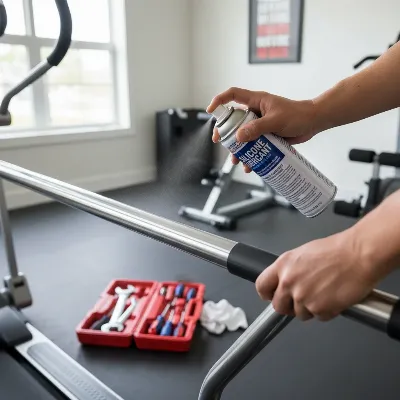 A person applying silicone lubricant to an elliptical's rail, with various maintenance tools in the background, depicting a DIY approach.
When to Call a Professional: Knowing Your Limits
While most common elliptical issues can be resolved with DIY maintenance, there are times when professional intervention is necessary. If you’ve diligently followed all the troubleshooting steps—cleaning, lubricating, tightening, and inspecting—and your machine still exhibits persistent squeaking, grinding, or a rough glide, it might be time to call in an expert.
Signs that warrant professional assistance include:
- Persistent Noise or Resistance: Despite thorough DIY efforts.
- Electrical Issues: Malfunctioning console, flashing lights, or power problems.
- Damaged Components: Visible cracks in the frame, severe wear on internal gears, or a broken drive belt that you’re not comfortable replacing.
- Warranty Concerns: Attempting complex repairs yourself might void your warranty. Always consult your manual or the manufacturer’s guidelines.
A qualified technician can accurately diagnose complex mechanical failures, replace worn-out parts like bearings or the flywheel assembly, and ensure your machine is safe and functional. Regular annual maintenance checks by a professional can also help identify potential problems before they become major issues, ensuring the longevity and optimal performance of your elliptical.
Conclusion
Maintaining your elliptical trainer for a smooth and quiet glide is an achievable DIY project that offers significant rewards. By consistently implementing simple steps like regular cleaning, strategic lubrication with appropriate products, tightening loose hardware, and performing routine inspections, you can prevent most common issues that lead to a bumpy or noisy ride. These proactive measures not only enhance your workout experience but also protect your investment, extending the lifespan of your machine for years to come. Don’t let a squeak or a stiff pedal deter you from your fitness journey; empower yourself with these maintenance tips. What other aspects of elliptical care do you find most challenging in your home gym?
Frequently Asked Questions
What kind of lubricant should I use for my elliptical trainer?
Always use a silicone-based lubricant specifically designed for fitness equipment. These lubricants reduce friction effectively without attracting dust or damaging plastic and rubber components. Avoid using petroleum-based products or household sprays like WD-40, which can cause more harm than good to your elliptical’s moving parts.
How often should I lubricate my elliptical?
The frequency of lubrication depends on your usage. For moderate use (3-5 times a week), aim to lubricate your elliptical every 3-6 months. If you use it daily or notice any squeaking or stiffness, more frequent lubrication might be necessary. Always clean the components before applying new lubricant.
Can loose bolts really make my elliptical squeak?
Absolutely. Loose bolts are one of the most common causes of squeaking and clicking noises on an elliptical. Regular vibration from use can cause hardware to loosen, creating friction and noise. Systematically checking and tightening all visible bolts and screws, especially around pedal arms and frame connections, can often resolve these sounds.
My elliptical feels jerky. What could be the cause?
A jerky motion can be caused by several factors, including insufficient lubrication on the rails and pivot points, a loose or worn drive belt, or even an uneven machine. Start by cleaning and lubricating all moving parts. If the issue persists, check the drive belt tension and ensure your elliptical is properly leveled on a stable surface.
Frequently Asked Questions
What kind of lubricant should I use for my elliptical trainer?
Always use a silicone-based lubricant specifically designed for fitness equipment. These lubricants effectively reduce friction without attracting dust or damaging plastic and rubber components. Avoid petroleum-based products or household sprays like WD-40, which can cause more harm than good to your elliptical's moving parts.
How often should I lubricate my elliptical?
The frequency of lubrication depends on your usage. For moderate use (3-5 times a week), aim to lubricate your elliptical every 3-6 months. If you use it daily or notice any squeaking or stiffness, more frequent lubrication might be necessary. Always clean the components thoroughly before applying new lubricant.
Can loose bolts really make my elliptical squeak?
Absolutely, loose bolts are one of the most common causes of squeaking and clicking noises on an elliptical. Regular vibration from use can cause hardware to loosen, creating friction and noise. Systematically checking and tightening all visible bolts and screws, especially around pedal arms and frame connections, can often resolve these sounds.
My elliptical feels jerky. What could be the cause?
A jerky motion can be caused by several factors, including insufficient lubrication on the rails and pivot points, a loose or worn drive belt, or even an uneven machine. Start by cleaning and lubricating all moving parts. If the issue persists, check the drive belt tension and ensure your elliptical is properly leveled on a stable surface.
When should I call a professional for elliptical repairs?
You should call a professional if your elliptical exhibits persistent noise or resistance despite thorough DIY efforts, has electrical issues, shows visible damage to internal components like the frame or gears, or if you have warranty concerns. A qualified technician can diagnose complex mechanical failures and replace worn-out parts safely.
Achieve a Silky-Smooth Elliptical Glide
Restore your elliptical trainer to optimal performance by following these DIY maintenance steps, including cleaning, lubricating, and tightening components.
After every workout, wipe down surfaces with a damp cloth to prevent sweat and grime buildup. Monthly, clean tracks, rollers, and moving parts with mild soap and water. Annually, vacuum internal components after unplugging the machine and removing external housing.
Always use a silicone-based lubricant designed for fitness equipment; avoid WD-40. Clean and dry the area before applying a thin, even coat to rails, roller wheels, and pivot points. Cycle the elliptical gently for a few minutes to spread the lubricant evenly.
Inspect all connections, focusing on pedal arms, handlebars, and main frame connections, using appropriate wrenches and screwdrivers. Gently but firmly tighten any loose bolts or screws without overtightening. Make this a monthly habit to prevent squeaks and instability.
Check bearings for unusual noises or resistance, and ensure the drive belt has proper tension according to your manual. Inspect the flywheel for misalignment and pedals for secure connections. Examine roller wheels and tracks for wear, cleaning and lubricating as needed.
Adjust the leveling feet at the base of your elliptical until all points of contact with the floor are firm and the machine is stable. Use a spirit level for perfect balance. Placing a sturdy rubber mat underneath can also absorb vibrations and reduce noise.

The advice on cleaning was helpful, but I wish there was more detail on how to get to some of the harder-to-reach spots. My drive belt area is really dusty and I’m a bit nervous about taking too much apart. It did help with some of the squeaking, but not all of it.
I was so frustrated with my elliptical sounding like a dying robot! The tip about lubricating with silicone-based products made a huge difference. I used to just wipe it down, but actually applying the lubricant to the moving parts has made my workouts so much quieter and smoother. It feels like a brand new machine again.
This guide saved me from buying a new elliptical! I thought mine was beyond repair with how jerky the motion had become. After going through the steps, especially checking the drive belt for wear, I realized it just needed a good cleaning and some adjustments. Now my low-impact workouts are actually enjoyable again.
My elliptical started getting really stiff, especially after a few minutes of use. I followed the guide for tightening loose hardware and found a couple of bolts that were definitely wobbly. It’s much better now, though I still hear a slight creak sometimes. I’m going to try inspecting the bearings next to see if that helps completely.