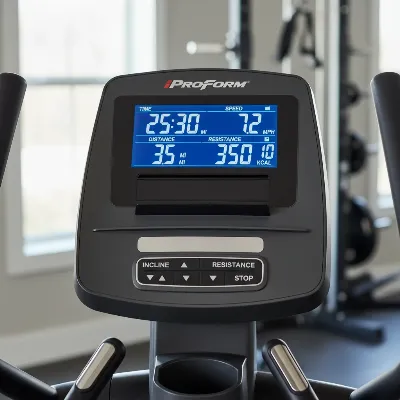
A slipping elliptical trainer belt can quickly turn your invigorating workout into a frustrating and ineffective session. Instead of the smooth, consistent resistance you expect, you might experience jerky motions, uneven pedaling, or a loss of power, signaling that your elliptical’s drive belt isn’t performing as it should. This common issue, while annoying, is often a simple DIY fix that can save you the cost and inconvenience of professional service. Understanding the underlying causes and having the right approach can get your elliptical back to peak performance swiftly, ensuring your fitness routine stays on track without significant interruptions. This guide will walk you through diagnosing the problem, gathering the necessary tools, and executing a fast, effective repair to restore your elliptical’s smooth operation.
Understanding Why Your Elliptical Belt Slips
The drive belt is a critical component of your elliptical trainer, connecting the motor or flywheel to the pedals and handlebars, facilitating smooth and consistent resistance. When this belt slips, it disrupts the entire mechanism, leading to a compromised workout experience. Several factors can contribute to a slipping belt, each with distinct indicators.
The most prevalent cause is loose tension. Over time, due to regular use and wear, the belt can stretch and lose its original tightness, causing it to slip off the track or lose grip on the pulleys. Another common culprit is general wear and tear; an old belt might develop cracks, frays, or become brittle, reducing its ability to maintain traction. Improper alignment can also be a significant issue, where the belt is not perfectly centered on the pulleys, leading to uneven stress and eventual slippage. Furthermore, the accumulation of dust and debris on the belt or pulleys can reduce friction, making the belt lose its grip. Less common but still possible, faulty or worn-out internal components such as bushings or bearings can indirectly put excessive stress on the belt, causing it to slip or shred.
Recognizing the signs of a slipping belt is crucial for prompt action. You might notice uneven resistance, where the pedaling effort fluctuates unexpectedly during your workout. Distinctive strange noises, such as squeaking, grinding, or a rhythmic thumping, often indicate the belt is not moving smoothly. The machine might also feel wobbly or unstable, or you could experience a jerking motion in the pedals, signaling a loss of consistent power transfer. Addressing these signs early can prevent further damage to your elliptical and ensure your safety during exercise.
Essential Tools for a Fast DIY Fix
Before diving into the repair, it’s important to gather a few basic tools. Having these readily available will streamline the process and allow you to quickly address the issue. Most of these can be found in a standard home toolkit.
You will typically need a set of Allen wrenches (or hex keys), as many elliptical trainers use these for various adjustments and to remove outer shrouds. A screwdriver set, including both Phillips and flathead types, will also be essential for disassembling covers. For some models, a socket wrench set might be beneficial if there are hex nuts involved in securing components or adjusting tension. Additionally, a flashlight can be incredibly helpful for peering into the internal mechanisms of your elliptical to inspect the belt and pulleys. Finally, a clean cloth and possibly a mild degreaser or cleaning solution will be needed for cleaning the belt and pulleys. Safety should always be your top priority, so consider having a pair of work gloves to protect your hands, and always ensure the machine is unplugged before you begin any work.
Step-by-Step Guide to Adjusting Your Elliptical Belt Tension
Fixing a slipping elliptical belt primarily involves accessing the internal components and adjusting the belt’s tension. This process is manageable for most DIY enthusiasts and can typically be completed in under an hour.
Safety First: Unplug and Access the Drive Belt
|
Our Picks for the Best Elliptical Trainer in 2026
As an Amazon Associate I earn from qualifying purchases.
|
||
| Num | Product | Action |
|---|---|---|
| 1 | Under Desk Elliptical Machine, Upgraded 6 Adjustable Resistance &15 Speeds Electric Elliptical Leg Exerciser while Sitting for Seniors with Forward & Reverse Direction, Touch Screen and Remote Control |

|
| 2 | Elliptical Exercise Machine for Apartments and Homes,8 Levels of Magnetic Resistance,15.5-inch Stride Elliptical Machine, and Supports Users up to 400 pounds Elliptical Training Machines; |
|
| 3 | Sunny Health & Fitness Cardio Climber Stepping Elliptical Exercise Machine for Home with 8 Levels of Magnetic Resistance, Performance Monitor, Full Body Workout |
|
| 4 | JLL Smart Mini Elliptical – Low-Impact Cardio, Quiet Magnetic Resistance (8 Levels), Compact for Home or Office, LCD Display, Bluetooth SunnyFit App Compatible |
|
| 5 | Under Desk Elliptical Machine, Electric Seated Pedal Exerciser, Min Leg Exerciser with Remoter, 12 Level Speeds, Forward & Reverse Direction, Manual & Auto Mode for Home Office |
|
| 6 | Under Desk Elliptical Machine, Electric Elliptical Leg Exerciser While Sitting for Seniors with Upgraded 15 Speeds & 12 Auto Mode, Forward & Reverse Direction, Quiet Portable Seated Pedal Exerciser |
|
| 7 | Under Desk Elliptical Machine, Electric Elliptical as Seen on TV for Seniors Adults with 15 Adjustable Speed, Quiet & Portable Electric Seated Pedal Exerciser with Remote Control & 5 Auto Mode |
|
| 8 | Under Desk Elliptical Machine, Electric Elliptical Leg Exerciser for Seniors Fully Assembled, Quiet & Portable Electric Seated Pedal Exerciser with Remote Control & 12 Adjustable Speeds |
|
| 9 | Under Desk Elliptical Machine, Electric Ellipse Leg Exerciser for Senior, Quiet and Compact Electric Seated Pedal Exerciser for Home with Display Monitor, Remote Control and 12 Adjustable Speeds |
|
| 10 | Cubii JR1, Under Desk Elliptical, Under Desk Bike Pedal Exerciser, Seated Elliptical, Work from Home Fitness, Mini Elliptical Machines for Home Use, Cubii Exerciser for Seniors, Desk Exercise |
|
Before you begin any work on your elliptical trainer, always prioritize safety. Unplug the machine from its power source to eliminate any risk of accidental startup or electrical shock. Once unplugged, you’ll need to gain access to the drive belt compartment. This usually involves removing the outer plastic shrouds or covers that enclose the flywheel and drive system. These covers are typically secured by screws (Phillips head or hex bolts) on the side or bottom of the machine. Carefully remove these fasteners and gently detach the covers, setting them aside in a safe place. Take note of how the covers fit together; this will help you during reassembly.
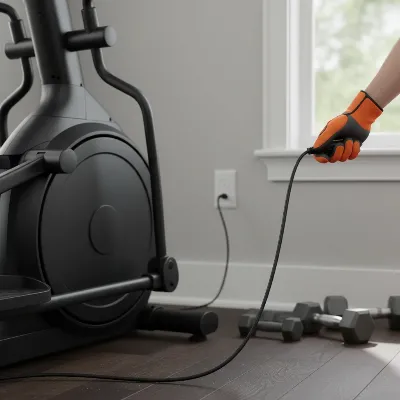 A person unplugging an elliptical trainer from a wall socket before maintenance.
Inspect the Belt and Pulleys for Damage or Debris
With the covers removed, you should now have a clear view of the drive belt and the pulleys it wraps around. Take this opportunity to thoroughly inspect the entire system. Look closely at the belt for any signs of wear and tear, such as cracks, frays, missing teeth (if it’s a ribbed belt), or stretched-out sections. A severely damaged belt will likely need replacement rather than just tension adjustment. Also, check the surface of the belt and the pulleys for any accumulated dust, grime, or foreign debris. These can significantly reduce traction and contribute to slipping. If you spot any misalignment, where the belt isn’t running straight on the pulleys, make a mental note, as this will need to be corrected after tensioning.
Locating and Adjusting the Tension Bolts
Most elliptical trainers use an idler pulley system to maintain belt tension. You’ll typically find two key bolts for adjustment: an idler adjustment bolt and a belt tension bolt. The idler adjustment bolt usually secures the idler pulley, while the belt tension bolt (often located underneath the idler assembly) is used to push the idler pulley, thereby increasing or decreasing the belt tension. To adjust, first, gently loosen the idler adjustment bolt just enough so the idler pulley can move. Then, slowly tighten the belt tension bolt. As you tighten this bolt, you will see the idler pulley move, increasing the tension on the drive belt. The goal is to achieve a snug fit without making the belt excessively tight, which can put undue strain on the motor and bearings. A good rule of thumb is that the belt should have a slight amount of play—you should be able to press down on it slightly, but it shouldn’t feel loose or slack. Once the desired tension is achieved, firmly re-tighten the idler adjustment bolt to lock the idler pulley in place.
Cleaning the Belt and Pulley System
After adjusting the tension, it’s an excellent time to clean the entire belt and pulley system. Using a clean, dry cloth, thoroughly wipe down both sides of the drive belt to remove any dust, rubber residue, or grime. You can use a mild cleaning solution or a degreaser if there’s stubborn dirt, but ensure it’s safe for rubber and metal components and allowed to dry completely before reassembly. Pay particular attention to the grooves of the pulleys, as trapped debris there can also cause slipping. A small brush can help dislodge any lodged particles. This cleaning step restores the necessary friction between the belt and pulleys, crucial for preventing future slippage.
Reassemble and Test Your Elliptical
Once you’ve adjusted the tension and cleaned the system, it’s time to reassemble the elliptical. Carefully replace the shrouds and covers, ensuring all screws and fasteners are securely tightened. Double-check that no tools or loose parts are left inside the machine. After reassembly, plug your elliptical back into the power source. Step onto the machine and begin a workout at various resistance levels and speeds. Pay close attention to the feel of the machine. The motion should now be smooth and consistent, without any jerking, wobbling, or strange noises. If the slipping persists, you may need to repeat the tension adjustment process, or it could indicate a more significant issue, such as a severely worn belt or a faulty component that requires replacement.
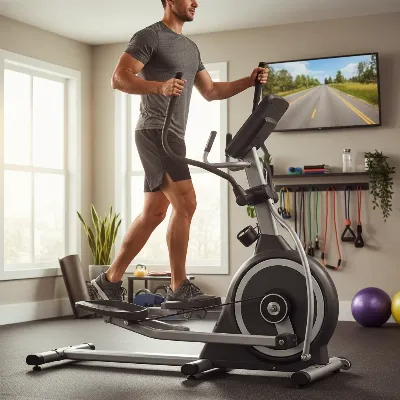 A person smoothly exercising on a fixed elliptical trainer after a DIY repair.
When DIY Isn’t Enough: Signs You Need a New Belt or Professional Help
While adjusting belt tension is a common and effective DIY fix for slipping, there are instances where the problem goes beyond a simple adjustment. Recognizing when your efforts aren’t sufficient is key to preventing further damage and ensuring your safety.
If, after meticulously following the tension adjustment and cleaning steps, your elliptical belt continues to slip, it’s a strong indicator that the belt itself might be irreversibly damaged or excessively worn out. Look for significant signs of degradation like deep cracks, missing sections, extensive fraying, or if the belt feels unusually brittle and hard. If the belt has stretched beyond its usable limit, no amount of tension adjustment will restore its proper function. In such cases, a belt replacement is necessary. Additionally, if you notice other components, such as the idler pulley, bearings, or motor, appear damaged, corroded, or are making persistent loud noises despite belt adjustments, it might point to a more complex mechanical failure. Issues like a grinding noise from the bearings or a completely unresponsive resistance system could signal internal component wear that is beyond a simple DIY fix. At this point, consulting a professional technician is advisable. They possess the specialized tools and expertise to diagnose and repair deeper mechanical problems or safely replace critical components, ensuring your elliptical operates correctly and safely.
Preventative Maintenance to Keep Your Elliptical Running Smoothly
Regular maintenance is vital for extending the lifespan of your elliptical trainer and preventing common issues like a slipping belt. Proactive care can save you time, effort, and repair costs in the long run, ensuring your machine is always ready for your next workout.
Regular Cleaning and Inspection
One of the simplest yet most effective preventative measures is regular cleaning and inspection. Dust, sweat, and debris can accumulate over time, building up on the drive belt and pulleys, which can lead to reduced friction and eventual slippage. Periodically (e.g., monthly or every few weeks depending on usage), remove the side shrouds and use a clean, dry cloth to wipe down the drive belt and the surfaces of all pulleys. A vacuum cleaner can help remove dust from hard-to-reach areas. While you’re cleaning, take the opportunity to visually inspect the belt for any early signs of wear, such as minor cracks or glazing. Catching these issues early can allow for timely intervention, such as a minor tension tweak, before they escalate into a major problem.
Proper Storage and Environment
The environment where your elliptical trainer is stored can also impact the longevity of its components, including the drive belt. Avoid placing your elliptical in areas with extreme temperature fluctuations, high humidity, or direct sunlight. Excessive heat or cold can cause rubber belts to degrade more quickly, becoming brittle or stretching. High humidity can lead to corrosion of metal parts, which can affect pulley performance. Keeping your elliptical in a stable, temperate, and relatively dry environment will help preserve the integrity of its belt and other mechanical components. Ensure adequate ventilation around the machine, especially if it’s in a smaller room or garage, to help regulate temperatures.
Adhering to Manufacturer’s Guidelines
Every elliptical trainer comes with a user manual, which contains valuable information specific to your model. Adhering to the manufacturer’s guidelines for maintenance, lubrication (if recommended for specific parts), and usage is paramount. These guidelines often specify recommended service intervals, the type of lubricants to use (if any), and proper operating procedures that can prevent premature wear. Ignoring these instructions can not only lead to equipment failure but may also void your warranty. Regularly consulting your manual for specific tension specifications, cleaning advice, and recommended parts can significantly contribute to the smooth and long-lasting performance of your elliptical’s drive belt and overall functionality.
Conclusion
A slipping Elliptical Trainer belt can be a nuisance, but it doesn’t have to signal the end of your machine’s life or demand an expensive professional repair. By understanding the common causes—primarily loose tension, wear, or debris—and following a straightforward DIY approach, you can restore your elliptical to its optimal performance. The process of safely accessing the drive belt, inspecting for damage, meticulously adjusting tension, and thoroughly cleaning the components is an accessible task for most home users. Remember that consistent preventative maintenance, including regular cleaning and adherence to manufacturer guidelines, is key to preventing future slippage and extending your machine’s operational lifespan. Don’t let a minor belt issue derail your fitness journey; a quick fix can have you back to enjoying smooth, effective workouts in no time. What steps will you take today to ensure your elliptical belt remains perfectly tensioned?
Frequently Asked Questions
Why does my elliptical belt keep slipping even after I’ve adjusted it?
If your elliptical belt continues to slip after adjustment, it might be due to a severely worn-out belt with irreversible damage like cracks or extensive stretching, indicating it needs replacement. Alternatively, underlying issues with other components such as bearings or pulleys could be causing the problem.
How often should I check my elliptical belt tension?
It’s advisable to check your elliptical belt tension every few months, or more frequently if you use the machine heavily. A visual inspection during routine cleaning for signs of wear and tear can help you determine if an adjustment is needed before slipping becomes noticeable.
Can I use any lubricant on my elliptical belt?
No, you should never use just any lubricant on your elliptical belt unless specifically instructed by your manufacturer’s manual, and only with the recommended type. Applying the wrong lubricant can damage the rubber and exacerbate slipping, potentially leading to costly repairs. Most drive belts are designed to operate dry.
What tools are typically needed to adjust an elliptical belt?
To adjust an elliptical belt, you will typically need a set of Allen wrenches (hex keys) and screwdrivers (Phillips and flathead) to remove the outer covers. A flashlight can also be very useful for inspecting internal components, and a clean cloth for cleaning.
How can I tell if my elliptical belt needs replacement versus just adjustment?
A belt likely needs replacement if it shows visible signs of significant damage, such as deep cracks, missing sections, extensive fraying, or if it feels brittle or excessively stretched. If a proper tension adjustment does not resolve the slipping, even when the belt appears somewhat intact, replacement is usually the next step.