Maintaining an elliptical trainer involves regular cleaning and lubrication to ensure optimal performance, prevent wear, and extend its lifespan. Key steps include daily wipe-downs, weekly deep cleaning of rails and internal areas, and lubricating friction points every 4-6 months with specific products like silicone-based lubricant for tracks and lithium grease for pivot points. This routine prevents common issues such as squeaking, uneven motion, and premature component degradation, safeguarding your investment in home fitness equipment.
This comprehensive guide will walk you through the essential steps for safely cleaning and lubricating your elliptical trainer, ensuring it remains a reliable and efficient part of your fitness journey. By dedicating a small amount of time to proper care, you can prevent common issues, maintain smooth operation, and protect your investment for countless effective workouts.
The Importance of Regular Elliptical Maintenance
Regular maintenance of your elliptical trainer goes far beyond just keeping it looking good; it is crucial for its functionality, longevity, and your safety. Without consistent care, dirt and sweat can build up on the machine’s components, leading to degradation and premature wear. This accumulation of grime can clog moving parts, increase friction, and ultimately cause malfunctions that could be costly to repair. Dust and debris are especially problematic for internal mechanisms, potentially hindering electronic components and affecting the motor’s efficiency.
Furthermore, a well-maintained elliptical ensures optimal performance, providing you with a consistent and smooth workout every time. Lubricating specific friction points reduces noise like squeaking and grinding, making your exercise experience more pleasant. It also extends the life of critical parts, saving you the hassle and expense of frequent replacements. Ultimately, a clean and lubricated machine operates more safely, preventing unstable footing or unexpected hitches during your routine, and ensures you get the most out of your fitness investment.
Essential Tools and Supplies for Elliptical Care
Maintaining your elliptical doesn’t require a workshop full of specialized gadgets. Most of the necessary items are likely already in your home or easily acquired. However, using the correct products and avoiding harmful ones is paramount to protecting your machine.
Cleaning Supplies
For effective cleaning, you’ll need:
- Microfiber cloths or soft towels: These are ideal for wiping down surfaces without scratching or leaving lint.
- Mild detergent and warm water: A gentle solution is perfect for most exterior surfaces.
- Non-abrasive cleaning solution: Choose products specifically designed for fitness equipment or a diluted, mild household cleaner. Always check labels for compatibility with plastics and painted surfaces.
- Vacuum cleaner with a brush attachment: Handy for removing dust and debris from vents and hard-to-reach internal areas if you’re performing a deeper clean.
- Rubbing alcohol: Effective for removing stubborn grime and residue from metal rails, but use sparingly and only on appropriate surfaces.
Lubrication and Repair Supplies
|
Our Picks for the Best Elliptical Trainer in 2026
As an Amazon Associate I earn from qualifying purchases.
|
||
| Num | Product | Action |
|---|---|---|
| 1 | Under Desk Elliptical Machine, Electric Elliptical Leg Exerciser While Sitting for Seniors with Upgraded 15 Speeds & 12 Auto Mode, Forward & Reverse Direction, Quiet Portable Seated Pedal Exerciser |

|
| 2 | Sunny Health & Fitness Cardio Climber Stepping Elliptical Exercise Machine for Home with 8 Levels of Magnetic Resistance, Performance Monitor, Full Body Workout |
|
| 3 | JLL Smart Mini Elliptical – Low-Impact Cardio, Quiet Magnetic Resistance (8 Levels), Compact for Home or Office, LCD Display, Bluetooth SunnyFit App Compatible |
|
| 4 | Under Desk Elliptical Machine, Electric Elliptical Leg Exerciser for Seniors Fully Assembled, Quiet & Portable Electric Seated Pedal Exerciser with Remote Control & 12 Adjustable Speeds |
|
| 5 | Under Desk Elliptical Machine, Electric Seated Pedal Exerciser, Min Leg Exerciser with Remoter, 12 Level Speeds, Forward & Reverse Direction, Manual & Auto Mode for Home Office |
|
| 6 | Under Desk Elliptical Machine, Electric Elliptical as Seen on TV for Seniors Adults with 15 Adjustable Speed, Quiet & Portable Electric Seated Pedal Exerciser with Remote Control & 5 Auto Mode |
|
| 7 | Under Desk Elliptical Machine, Electric Ellipse Leg Exerciser for Senior, Quiet and Compact Electric Seated Pedal Exerciser for Home with Display Monitor, Remote Control and 12 Adjustable Speeds |
|
| 8 | Cubii JR1, Under Desk Elliptical, Under Desk Bike Pedal Exerciser, Seated Elliptical, Work from Home Fitness, Mini Elliptical Machines for Home Use, Cubii Exerciser for Seniors, Desk Exercise |
|
| 9 | Under Desk Elliptical Machine, Upgraded 6 Adjustable Resistance &15 Speeds Electric Elliptical Leg Exerciser while Sitting for Seniors with Forward & Reverse Direction, Touch Screen and Remote Control |
|
| 10 | Elliptical Exercise Machine for Apartments and Homes,8 Levels of Magnetic Resistance,15.5-inch Stride Elliptical Machine, and Supports Users up to 400 pounds Elliptical Training Machines; |
|
For smooth operation and minor repairs, gather:
- High-quality silicone-based lubricant: This is the most critical item for lubrication points like ramps, wheels, and sliding tracks. Ensure it’s non-staining, safe for rubber and plastic, and formulated to repel dust.
- Lithium grease: Essential for addressing squeaks in bushings and other pivot points.
- Allen keys, wrenches, and screwdrivers: These tools are necessary for tightening any loose bolts, screws, or other hardware that can develop over time. Always use the correct size to avoid stripping fasteners.
What to Avoid
It is equally important to know what not to use on your elliptical:
- Harsh chemicals: Bleach, ammonia, and highly concentrated alcohol can damage plastic components, paint finishes, and electronic screens. Avoid direct application of these substances.
- WD-40: While a popular household product, WD-40 is not a true lubricant for elliptical machines. It’s primarily a water displacer and can break down existing lubricants, attract dirt, and potentially cause rapid wear and even ruin components like the ramp and wheels, leading to expensive repairs.
Step-by-Step Guide to Cleaning Your Elliptical
A consistent cleaning routine is the first line of defense against wear and tear. By following these steps, you can keep your elliptical hygienic and functioning optimally.
Daily Wipe-Down
After each workout, take a few minutes for a quick clean.
- Use a damp microfiber cloth or a soft towel lightly sprayed with a mild cleaning solution.
- Gently wipe down the console, handlebars, and any other areas that accumulate sweat, such as the pedals and frame.
- Crucially, avoid spraying any liquid directly onto the console or other electronic components. Instead, spray the cloth first to control moisture and prevent damage to sensitive parts. This daily habit prevents sweat and dirt from hardening and becoming difficult to remove.
Weekly Deep Clean
Once a week, or as needed, perform a more thorough cleaning to address hidden grime and ensure smooth movement.
- Clean rails and wheels: These are critical for the elliptical’s smooth gliding motion. Use a microfiber cloth with a small amount of rubbing alcohol to clean the rails where the foot pedals slide. If there’s stubborn buildup, carefully use a plastic scraper (never metal) to remove it. Ensure these areas are completely clean before considering lubrication.
- Vacuum internal areas: If your elliptical’s design allows for easy access to internal components (e.g., behind the motor cover or near fan vents), use a vacuum cleaner with a brush attachment to remove dust and debris. This helps prevent overheating and keeps internal parts free from obstruction. Always consult your user manual before attempting to open any internal compartments.
Safety Precautions During Cleaning
Safety should always be your top priority.
- Always unplug your elliptical machine from the power source before performing any cleaning, especially a deep clean or when accessing internal components. This prevents accidental starts and electrical hazards.
- Never use excessive water or cleaning solutions, particularly near electrical connections or the console. Moisture can cause short circuits and irreparable damage.
- Use only the recommended cleaning agents. Harsh chemicals can degrade materials, compromising the machine’s structural integrity and appearance over time.
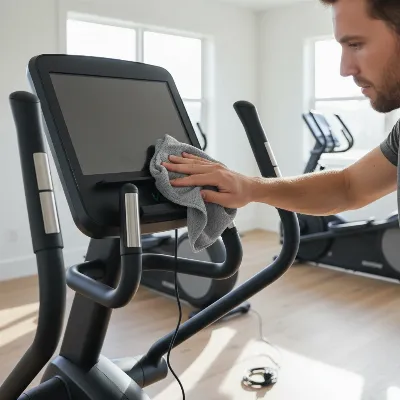 A person cleaning an elliptical machine console with a microfiber cloth, ensuring no liquids are sprayed directly onto the electronics. The elliptical is sleek and modern.
Understanding Lubrication: Why, When, and Where
Lubrication is arguably the most vital aspect of elliptical maintenance, directly impacting its performance and lifespan. Understanding why, when, and where to lubricate will save you from frustrating squeaks and costly repairs.
Why Lubricate
The primary purpose of lubrication is to reduce friction between moving parts. Without it, metal-on-metal or plastic-on-metal contact causes rapid wear, generates excessive heat, and leads to unpleasant noises like grinding and squeaking. Proper lubrication ensures a smooth, quiet, and efficient stride, maintaining the intended feel and functionality of your workout. It also forms a protective barrier, preventing corrosion and extending the life of crucial mechanical components.
When to Lubricate
The frequency of lubrication depends on your machine’s design and how often you use it.
- Monthly inspection: Make it a habit to visually inspect your elliptical monthly for any signs of wear, dryness, or the beginning of squeaking. This proactive approach helps catch issues early.
- Ramp and wheel systems: If your elliptical features wheels that roll back and forth on a ramp (a common design), these areas typically require lubrication with liquid silicone every 4-6 months.
- When squeaking occurs: If you hear persistent squeaking from pivot points or bushings, it’s a clear indicator that these areas need attention, usually with lithium grease.
- Usage frequency: Machines used daily or several times a week will naturally require more frequent checks and lubrication compared to those used occasionally, as consistent use accelerates lubricant wear.
Key Lubrication Points
Identifying the correct lubrication points is crucial. Always prioritize consulting your elliptical’s user manual for precise instructions and diagrams specific to your model. However, common areas that typically require lubrication include:
- Foot pedals and their sliding tracks: Where the pedals move along the machine’s framework.
- Handlebars: Specifically, their pivot points and any internal mechanisms that allow them to move.
- Pivot points and bearings: Any joint where two parts move against each other, such as where the pedal arms connect to the flywheel or internal mechanisms.
- Ramp and wheel system: The tracks on which the rollers or wheels glide.
- Bushings: These are often “oil-impregnated” but can dry out and squeak over time; they benefit from lithium grease.
- Internal moving joints and arm shafts: Some ellipticals may require partial disassembly (e.g., removing arm covers or motor housing) to access these points, as outlined in your manual.
How to Safely Lubricate Your Elliptical Machine
Lubricating your elliptical machine safely and effectively ensures its smooth operation and extends its lifespan. Always proceed with caution and refer to your machine’s specific instructions.
Preparation
Before you begin, always prioritize safety and thoroughness.
- Unplug the machine: This is a non-negotiable step to prevent accidental power-on during maintenance.
- Clean surfaces thoroughly: Before applying any lubricant, ensure the areas to be lubricated are free of dust, dirt, and old grease. Use a clean cloth, and for ramps and wheels, rubbing alcohol can help remove stubborn grime. Applying new lubricant over dirt can lead to abrasive wear and reduce the effectiveness of the lubricant.
Applying Silicone Lubricant
Silicone-based lubricant is ideal for surfaces where parts slide or roll, such as ramps and wheel tracks.
- For the ramp and wheel system, apply a small, consistent amount of liquid silicone lubricant along the entire length of the tracks.
- Gently move the pedals back and forth manually to help spread the lubricant evenly.
- Use a clean cloth to wipe away any excess lubricant that might have squeezed out. This prevents it from attracting dust and dirt, which could create a new abrasive layer.
- For foot pedals where they slide on tracks or handlebars at pivot points, apply a small amount to the contact surfaces and work the parts through their range of motion to distribute it.
Applying Lithium Grease
Lithium grease is excellent for metal-on-metal contact points, particularly where squeaking originates from bushings or internal pivot points that do not slide.
- Identify the exact source of the squeak, often found in pivot joints or where moving arms attach.
- Apply a small amount of lithium grease directly to the bushing or pivot point.
- Work the joint back and forth to ensure the grease penetrates and coats the surfaces.
- Wipe away any excess grease to prevent it from collecting dirt.
Addressing Internal Components
Some ellipticals, especially those with front-drive or center-drive designs, may have internal components that require lubrication, such as the arm shaft or internal moving joints.
- Consult your user manual: This is critical. It will detail whether disassembly is required and how to safely access these parts (e.g., removing a motor cover or arm casing).
- Proceed cautiously: If disassembly is needed, use the correct tools (Allen keys, screwdrivers) and keep track of all screws and parts for reassembly.
- Lubricate as directed: Apply the recommended lubricant (usually silicone or lithium grease) to the internal joints and shafts.
- Reassemble carefully: Ensure all parts are reattached correctly and securely. Double-check that no wires are pinched or connections are loose.
Post-Lubrication Steps
Once lubrication is complete, a few final steps ensure everything is in working order.
- Test the machine: Plug in your elliptical and operate it at a slow speed for a few minutes. Listen for any remaining squeaks or unusual noises. This also helps to evenly distribute the lubricant.
- Re-tighten any loosened parts: During the cleaning and lubrication process, you may have loosened bolts or screws. Ensure all fasteners are securely tightened to the manufacturer’s specifications. This step is vital for both safety and stable operation.
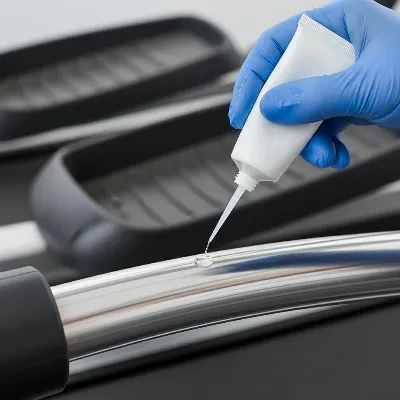 A person applying silicone lubricant to the rail of an elliptical machine, emphasizing precision and careful application for smooth operation.
Troubleshooting Common Elliptical Issues
Even with regular maintenance, issues can occasionally arise. Knowing how to troubleshoot common problems can help you quickly resolve them and get back to your workout.
Squeaking Noises
Squeaks are the most common complaint and usually indicate a need for lubrication or tightening.
- Identify the source: Operate the machine and try to pinpoint where the noise is coming from (e.g., pedals, pivot points, handlebars, flywheel area). Often, a friend can help listen while you exercise.
- Clean and lubricate: Once the source is identified, clean the area thoroughly, then apply the appropriate lubricant (silicone for sliding tracks/ramps, lithium grease for bushings/pivot points).
- Check for loose bolts: Sometimes, squeaking is simply due to a loose bolt or screw rubbing against a surface. Tighten all accessible fasteners.
Loose Parts
Over time, the constant motion of an elliptical can cause bolts and screws to loosen.
- Regular inspection: Include a visual inspection for loose hardware in your weekly or monthly maintenance routine.
- Tighten fasteners: Use the appropriate Allen keys, wrenches, or screwdrivers to tighten any wobbly or loose bolts and screws. Pay particular attention to the connections of the handlebars, pedals, and the main frame. Overtightening can also cause issues, so tighten firmly but avoid excessive force.
Uneven Pedal Motion
If your pedals feel jerky, wobbly, or uneven during your workout, several factors could be at play.
- Buildup on rails: Check the pedal rails for any dirt, debris, or dried lubricant that might be obstructing smooth movement. Clean them thoroughly with rubbing alcohol.
- Improper lubrication: Ensure the rails and associated pivot points are adequately lubricated with silicone-based lubricant.
- Worn parts: In some cases, worn-out wheels, bearings, or bushings can cause uneven motion. If cleaning and lubrication don’t resolve the issue, consult your user manual for replacement part information or contact the manufacturer’s support.
Maximizing Your Elliptical’s Lifespan: General Tips
Beyond cleaning and lubrication, adopting a few general habits can significantly enhance your elliptical’s longevity and performance.
- Proper warm-up and cool-down: Just as you warm up your body, allow your machine to run for a minute or two at a low intensity before increasing your pace. Similarly, cool down by gradually reducing intensity. This helps the machine’s components acclimate and settle into motion.
- Correct posture and technique: Using the elliptical with proper form not only maximizes your workout effectiveness but also puts less undue stress on the machine. Avoid leaning too heavily on one side or making jerky movements. Distribute your weight evenly and use the handlebars as intended, rather than relying on them for full support.
- Regular inspection for worn parts; replace as needed: Periodically check pedals, foot straps, and handlebar grips for signs of wear, cracks, or damage. Worn pedals can lead to unstable footing and compromise safety, and ignoring them can even damage other internal components. Proactively replacing worn parts prevents further issues and ensures safety.
- Keep machine in a clean, dry environment: Avoid placing your elliptical in direct sunlight, extreme temperatures, or areas with high humidity, which can accelerate wear and corrosion. A stable, level surface is also crucial for balance and preventing unnecessary strain on the frame.
Conclusion
Maintaining your elliptical trainer through regular cleaning and lubrication is an investment that pays dividends in performance, safety, and longevity. By committing to a simple routine of wiping down surfaces after each use, performing deeper weekly cleans, and lubricating key friction points every few months, you can significantly reduce wear and tear, eliminate irritating noises, and ensure your machine provides consistent, effective workouts for years to come. Remember to always use the correct cleaning agents and lubricants, consult your user manual for specific guidance, and never hesitate to replace worn parts. Invest a little time in maintenance to enjoy countless hours of effective, low-impact workouts. What’s your go-to maintenance routine for your fitness equipment?
Frequently Asked Questions
Frequently Asked Questions
How often should I clean my elliptical trainer?
You should wipe down your elliptical trainer after every workout, especially the console and handlebars, to remove sweat and dirt. A deeper clean, focusing on rails and internal areas, is recommended weekly or bi-weekly, depending on usage frequency.
What kind of lubricant is best for an elliptical machine?
For most elliptical machines, a high-quality, silicone-based lubricant is best for sliding tracks, ramps, and wheels. For squeaking bushings or pivot points, lithium grease is often recommended. Always consult your machine's user manual for specific lubricant requirements.
Can I use WD-40 on my elliptical trainer?
No, you should absolutely not use WD-40 on your elliptical machine. WD-40 is a solvent and water displacer, not a long-lasting lubricant for fitness equipment. It can break down existing lubricants, attract dirt, and potentially damage plastic and rubber components, leading to accelerated wear and costly repairs.
How do I stop my elliptical from making noise?
To stop your elliptical from making noise, first identify the source of the sound (e.g., pedals, pivot points, console). Then, clean the area thoroughly to remove any debris. Finally, apply the appropriate lubricantu2014silicone for sliding parts and lithium grease for bushings or metal-on-metal pivot pointsu2014and ensure all bolts and screws are securely tightened.
What tools do I need for elliptical maintenance?
Essential tools for elliptical maintenance include microfiber cloths, mild detergent, non-abrasive cleaning solution, a vacuum with a brush attachment, rubbing alcohol, high-quality silicone-based lubricant, lithium grease, and a set of Allen keys, wrenches, and screwdrivers for tightening loose hardware.
Safely Lubricate Your Elliptical Machine
Lubricating your elliptical machine safely and effectively ensures its smooth operation and extends its lifespan. Always proceed with caution and refer to your machine's specific instructions.
Before you begin, always prioritize safety and thoroughness. Unplug the machine from the power source to prevent accidental power-on during maintenance. Clean surfaces thoroughly, ensuring areas to be lubricated are free of dust, dirt, and old grease using a clean cloth and rubbing alcohol for stubborn grime.
Silicone-based lubricant is ideal for surfaces where parts slide or roll, such as ramps and wheel tracks. Apply a small, consistent amount of liquid silicone lubricant along the entire length of the tracks. Gently move the pedals back and forth manually to help spread the lubricant evenly, then wipe away any excess.
Lithium grease is excellent for metal-on-metal contact points, particularly where squeaking originates from bushings or internal pivot points that do not slide. Identify the exact source of the squeak and apply a small amount of lithium grease directly to the bushing or pivot point. Work the joint back and forth to ensure penetration and coat the surfaces, then wipe away any excess.
Some ellipticals may have internal components requiring lubrication. Consult your user manual for specific instructions on disassembly and access. If disassembly is needed, use correct tools and keep track of all parts. Apply the recommended lubricant (silicone or lithium grease) to internal joints and shafts, then reassemble carefully.
Once lubrication is complete, plug in your elliptical and operate it at a slow speed for a few minutes to test the machine and evenly distribute the lubricant. Listen for any remaining squeaks or unusual noises. Ensure all fasteners are securely tightened to the manufacturer's specifications for safety and stable operation.

This routine has totally prevented the uneven motion I was starting to experience with my elliptical. I was worried I’d have to buy a new one, but following the steps for regular cleaning and lubrication has really extended its lifespan. It’s great to know I’m safeguarding my investment.
I used to just wipe down my elliptical, but after reading about the importance of lubricating friction points, I finally got some silicone-based lubricant for the tracks. What a difference! My machine is so much quieter now, and the motion feels incredibly smooth. It’s like having a brand new elliptical again.
I tried the tip about using lithium grease for pivot points, and while it did help with some of the squeaking, I still have a persistent creak from one of the arms. Maybe I didn’t apply enough, or it’s a different issue. The daily wipe-downs are easy enough to keep up with, though.
The guide on weekly deep cleaning of rails and internal areas was super helpful. I always overlooked those spots, and it definitely made a difference in how smoothly my elliptical runs. I appreciate the detailed steps, though finding the time for a full deep clean every week can be a bit of a challenge with my schedule.