Maintaining an elliptical trainer is crucial for its longevity and performance, with most machines requiring lubrication every 3 to 6 months and daily wipe-downs. Consistent care prevents common issues like squeaking, inconsistent resistance, and premature wear, ensuring your equipment remains a reliable partner in your fitness journey for years. Regular maintenance, including cleaning and tightening fasteners, extends the lifespan of your elliptical and enhances your workout experience.
Why Regular Elliptical Maintenance is Crucial for Your Fitness Journey
Consistent maintenance is not just about fixing problems when they arise; it’s a proactive approach that significantly extends the lifespan of your elliptical trainer and enhances your workout experience. By dedicating a little time to regular upkeep, you can prevent minor issues from escalating into major repairs, saving you both time and money in the long run. A well-maintained elliptical operates quietly, provides consistent resistance, and offers the smooth, fluid motion it was designed for, allowing you to focus purely on your workout. This commitment to care ensures your equipment remains safe, efficient, and ready whenever you are.
Daily and Weekly Care: Simple Steps for Ongoing Elliptical Health
Establishing a routine for daily and weekly maintenance will keep your elliptical trainer in excellent condition and address the immediate effects of use. These straightforward tasks are quick to perform and play a critical role in preventing sweat, dust, and debris from accumulating and causing premature wear. Adhering to this routine ensures your machine remains hygienic and functions optimally for every workout.
Post-Workout Cleaning Rituals
After each workout session, take a few moments to wipe down your elliptical. Sweat and skin oils are corrosive and can degrade surfaces over time, especially on the console and handlebars. Use a soft, damp cloth with a mild cleaning solution to gently clean all high-touch areas, the frame, and the console. Remember to spray the cloth, not directly onto the machine, to prevent moisture from entering sensitive electronic components. For digital screens, a dedicated touchscreen cleaner applied to a microfiber cloth will keep the display clear and responsive. This daily habit prevents grime buildup and keeps your machine looking new.
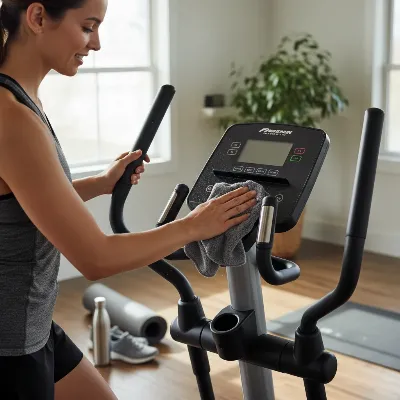 Person wiping down elliptical console with a cloth after a workout, focusing on cleanliness and hygiene
Weekly Fastener Checks
Once a week, perform a quick but thorough inspection of all bolts, screws, and fasteners across your elliptical trainer. The vibrations and movements during workouts can gradually loosen these components, leading to wobbling, creaking noises, and potential safety hazards. Pay close attention to the pedals, crank arms, handlebars, and any connection points in the frame. Use the appropriate wrenches or screwdrivers to tighten any loose hardware, but be careful not to overtighten, which could strip threads. Consulting your owner’s manual can guide you to specific critical fasteners.
Deeper Dive: Monthly and Biannual Elliptical Upkeep
Beyond the daily and weekly checks, your elliptical trainer benefits from more comprehensive attention every few months. These tasks go deeper into the machine’s mechanics, ensuring that moving parts remain friction-free and that the internal systems are clear of debris. These periodic deeper dives are essential for maintaining the elliptical’s smooth operation and preventing wear that isn’t immediately visible.
Thorough Cleaning of Moving Parts
|
Our Picks for the Best Elliptical Trainer in 2026
As an Amazon Associate I earn from qualifying purchases.
|
||
| Num | Product | Action |
|---|---|---|
| 1 | Sunny Health & Fitness Cardio Climber Stepping Elliptical Exercise Machine for Home with 8 Levels of Magnetic Resistance, Performance Monitor, Full Body Workout |

|
| 2 | Elliptical Exercise Machine for Apartments and Homes,8 Levels of Magnetic Resistance,15.5-inch Stride Elliptical Machine, and Supports Users up to 400 pounds Elliptical Training Machines; |
|
| 3 | Under Desk Elliptical Machine, Electric Elliptical as Seen on TV for Seniors Adults with 15 Adjustable Speed, Quiet & Portable Electric Seated Pedal Exerciser with Remote Control & 5 Auto Mode |
|
| 4 | Under Desk Elliptical Machine, Electric Elliptical Leg Exerciser While Sitting for Seniors with Upgraded 15 Speeds & 12 Auto Mode, Forward & Reverse Direction, Quiet Portable Seated Pedal Exerciser |
|
| 5 | Under Desk Elliptical Machine, Electric Ellipse Leg Exerciser for Senior, Quiet and Compact Electric Seated Pedal Exerciser for Home with Display Monitor, Remote Control and 12 Adjustable Speeds |
|
| 6 | Cubii JR1, Under Desk Elliptical, Under Desk Bike Pedal Exerciser, Seated Elliptical, Work from Home Fitness, Mini Elliptical Machines for Home Use, Cubii Exerciser for Seniors, Desk Exercise |
|
| 7 | Under Desk Elliptical Machine, Electric Seated Pedal Exerciser, Min Leg Exerciser with Remoter, 12 Level Speeds, Forward & Reverse Direction, Manual & Auto Mode for Home Office |
|
| 8 | JLL Smart Mini Elliptical – Low-Impact Cardio, Quiet Magnetic Resistance (8 Levels), Compact for Home or Office, LCD Display, Bluetooth SunnyFit App Compatible |
|
| 9 | Under Desk Elliptical Machine, Electric Elliptical Leg Exerciser for Seniors Fully Assembled, Quiet & Portable Electric Seated Pedal Exerciser with Remote Control & 12 Adjustable Speeds |
|
| 10 | Under Desk Elliptical Machine, Upgraded 6 Adjustable Resistance &15 Speeds Electric Elliptical Leg Exerciser while Sitting for Seniors with Forward & Reverse Direction, Touch Screen and Remote Control |
|
Monthly, dedicate time to thoroughly clean the tracks, rollers, and any other sliding or rotating components on your elliptical. Dust, pet hair, and floor debris can easily accumulate in these areas, causing friction and hindering smooth movement. Use a vacuum with a brush attachment to clear away loose particles, then wipe down the tracks and rollers with a damp cloth. Ensuring these surfaces are clean is vital for quiet operation and preventing damage to the rollers and bearings.
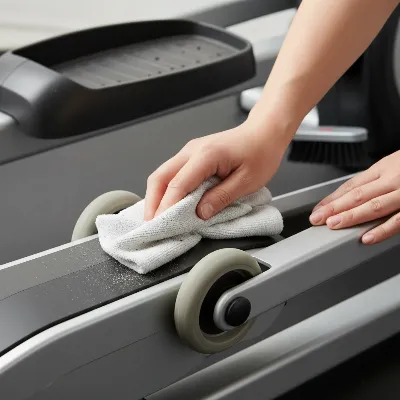 Close-up of hands cleaning elliptical tracks and rollers with a cloth, emphasizing smooth operation
The Art of Lubrication
Proper lubrication is the lifeblood of your elliptical trainer’s moving parts, preventing friction, reducing noise, and extending component life. Every three to six months, depending on usage, apply a silicone-based lubricant to designated lubrication points. These typically include the pedal pivot points, wheel tracks, and the ramp system. Always refer to your elliptical’s owner’s manual for specific instructions on where and how to lubricate, as well as the recommended type of lubricant. Avoid using household oils like WD-40, which are not true lubricants and can damage plastic parts.
“Many elliptical owners underestimate the power of proper lubrication. It’s not just about stopping a squeak; it’s about preserving the intricate mechanics of your machine, ensuring every stride is as smooth as the first.” – Dr. Eleanor Vance, Fitness Equipment Engineer
Inspecting Key Components
During your biannual maintenance, take the opportunity to inspect critical components like the drive belt and pedal straps. While drive belts are designed for durability, they can eventually show signs of wear such as fraying or cracking. If you notice any damage, it’s crucial to replace the belt promptly to prevent sudden failure during a workout. Similarly, check the pedal straps for any wear or tears that could compromise your foot stability and safety. If your elliptical allows, gently remove plastic covers (after unplugging) and use a vacuum to clear any dust from internal components, like the flywheel area, taking care not to disturb wiring.
Troubleshooting Common Elliptical Issues and How to Resolve Them
Even with regular maintenance, elliptical trainers can occasionally develop issues. Knowing how to diagnose and address common problems can save you from frustration and potentially costly service calls. Most problems have straightforward solutions that you can handle yourself.
Silence the Squeaks and Rattles
Squeaking or rattling is one of the most frequent complaints among elliptical users. Often, this noise originates from loose bolts or dry joints. Start by systematically checking and tightening every bolt and screw on the machine, particularly around the pedals, handlebars, and frame joints. If the noise persists, apply lubricant to all moving pivot points as detailed in your manual. If a deep, persistent grinding or clicking occurs at a high rate of speed, it might indicate an issue with the eddy mechanism or bearings, which may require professional attention or part replacement.
Addressing Resistance Irregularities
If your elliptical’s resistance feels inconsistent, too easy, or too difficult, or simply won’t adjust, several factors could be at play. First, ensure the machine is properly plugged in and the console is receiving power. For electronic resistance systems, try resetting the console by unplugging the machine for a few minutes and then plugging it back in. Check all electrical connections for looseness or damage. If your elliptical uses magnetic resistance, a shifted or damaged magnet could be the culprit. In more complex cases, such as a worn-out resistance motor or faulty console, it’s advisable to consult a professional technician.
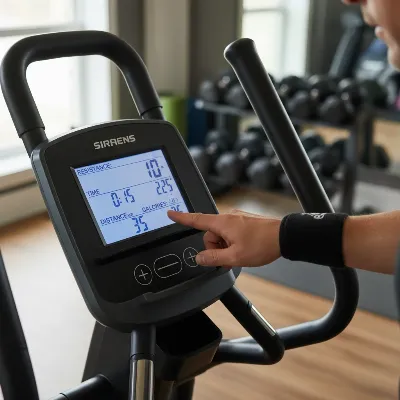 Person checking the resistance adjustment on an elliptical console, troubleshooting for smooth functionality
Fixing Pedal Problems and Uneven Movement
Uneven pedal movement or pedals that slip can significantly impact your workout and indicate underlying mechanical issues. Begin by inspecting the pedal arms and their attachments for any looseness or damage. Tighten any insecure bolts. Check the condition of the pedal straps or foot grips; if they are worn or stretched, replacement may be necessary to ensure secure footing. A damaged or improperly tensioned drive belt can also cause uneven motion, so inspect it for wear and proper alignment. Lubricating the pedal tracks and wheels can also resolve jerky or unstable movements.
Reviving a Malfunctioning Console
A non-responsive or flickering console can be frustrating, as it’s your window into your workout data. First, check the power source and ensure all cables are securely connected. If your console runs on batteries, replace them with fresh ones. A simple reset, often achieved by unplugging the machine for a few minutes, can resolve minor electronic glitches. If the display shows incorrect data or buttons are unresponsive after these steps, there might be an internal electronic malfunction. In such cases, referring to the owner’s manual for specific troubleshooting steps or contacting customer support is your best course of action.
Long-Term Strategies for Elliptical Longevity
Beyond routine cleanings and immediate fixes, a thoughtful approach to long-term care will maximize your elliptical trainer’s lifespan and performance. These strategies involve understanding your machine’s documentation, knowing when to call in an expert, and setting up a clear maintenance schedule. By taking these steps, you safeguard your investment and ensure continuous, high-quality workouts.
Understanding Your User Manual and Warranty
Your elliptical’s owner’s manual is an invaluable resource for specific maintenance guidelines, recommended lubricants, and troubleshooting steps unique to your model. It often contains detailed diagrams and instructions that can simplify complex tasks. Moreover, understanding your product’s warranty is crucial. Some warranties have stipulations regarding who can perform certain maintenance tasks without voiding the coverage, occasionally requiring professional service for major repairs. Familiarize yourself with these details to ensure you remain compliant and can utilize your warranty if needed.
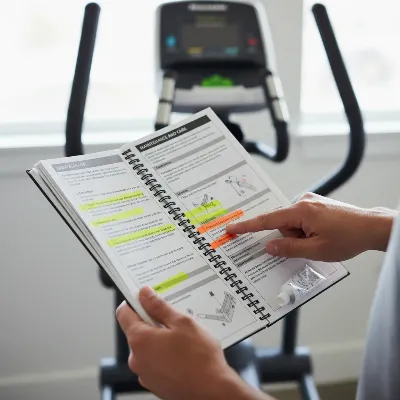 Hands holding an elliptical user manual open, emphasizing the importance of reading instructions
When to Seek Professional Help
While many maintenance tasks are DIY-friendly, some situations warrant professional intervention. If you encounter persistent mechanical noises after tightening and lubricating, notice significant structural damage, or face complex electronic issues that self-troubleshooting can’t resolve, it’s time to call a qualified technician. Attempting repairs beyond your skill level could lead to further damage, personal injury, or void your warranty. Professional technicians have the specialized tools and expertise to diagnose and fix intricate problems safely and effectively.
Creating a Maintenance Schedule
The best way to ensure consistent elliptical maintenance is to create and stick to a schedule. A simple log or calendar where you mark off daily wipe-downs, weekly fastener checks, and monthly or biannual lubrication tasks can be incredibly effective. Consider setting reminders on your phone or integrating maintenance days into your fitness routine. A structured approach guarantees that no essential task is overlooked, keeping your elliptical trainer in peak condition and ready for every workout. This proactive habit reduces the likelihood of unexpected problems and helps you enjoy your machine for many years.
Tools and Supplies for Effective Elliptical Care
Having the right tools and supplies on hand makes elliptical maintenance much simpler and more efficient. A small investment in these items will go a long way in preserving your machine and ensuring you can perform essential upkeep tasks without delay. Preparedness is key to keeping your equipment in top shape.
- Soft Cloths/Microfiber Towels: Essential for daily wipe-downs to prevent scratches.
- Mild Cleaning Solution: A gentle mix of soap and water, or a non-acidic, non-abrasive cleaner. Avoid harsh chemicals.
- Touchscreen Cleaner: For models with digital displays, ensuring clarity without damage.
- Silicone-Based Lubricant: Crucial for lubricating moving parts. Always check your manual for the recommended type.
- Allen Wrench Set: For tightening bolts on pedals, arms, and other components.
- Phillips and Flathead Screwdrivers: For console panels and smaller fasteners.
- Small Vacuum with Brush Attachment: Ideal for cleaning tracks, rollers, and internal components (if accessible).
- Owner’s Manual: Your primary reference for model-specific instructions and troubleshooting.
Conclusion
Maintaining your elliptical trainer doesn’t have to be a daunting task. By incorporating simple daily habits, performing regular checks, and following a periodic deeper dive into its mechanics, you can significantly prolong the life of your machine and ensure it provides a consistently smooth, effective workout. From wiping down sweat after each session to lubricating moving parts every few months, each step contributes to the overall health and performance of your elliptical. Prioritizing these essential maintenance tips helps prevent common issues, keeps your investment protected, and maintains the quality of your fitness journey.
What small maintenance task will you commit to starting today to enhance your elliptical experience?
Frequently Asked Questions
Frequently Asked Questions
How often should I lubricate my elliptical machine?
Most elliptical machines require lubrication every 3 to 6 months, depending on usage frequency and intensity. Always consult your elliptical's owner's manual for specific recommendations on lubrication points and the type of lubricant to use, typically a silicone-based product, to ensure optimal performance and prevent wear.
Can I use WD-40 for elliptical lubrication?
No, it is generally not recommended to use WD-40 on your elliptical machine. WD-40 is primarily a degreaser and water displacement spray, not a long-lasting lubricant. It can actually attract dust and debris, and potentially degrade plastic components or rubber seals, leading to more issues rather than solving them. Always use a silicone-based lubricant as recommended by the manufacturer.
What causes squeaking noises on an elliptical?
Squeaking on an elliptical trainer is commonly caused by loose bolts or fasteners that need tightening, or dry pivot points and moving parts that require lubrication. Dust and debris on tracks and rollers can also contribute to noise. Regularly checking and tightening all hardware, along with periodic lubrication, can effectively eliminate most squeaks and rattles.
How do I clean my elliptical's digital console?
To clean your elliptical's digital console, first ensure the machine is powered off. Use a soft, slightly damp clothu2014preferably microfiberu2014sprayed with a mild, non-abrasive cleaner or specific touchscreen cleaner. Wipe gently to remove sweat and fingerprints, being careful not to spray liquid directly onto the console or allow moisture to seep into any openings, which could damage the electronics.
Is professional elliptical maintenance necessary?
While many elliptical maintenance tasks can be performed by the user, professional maintenance is advisable at least once a year for a thorough inspection of internal components, electronics, and the drive system. You should also seek professional help for persistent complex issues, significant structural damage, or if you're unsure about performing a repair yourself, especially if it could void your warranty.
Maintain Your Elliptical Trainer for Lasting Performance
Follow these steps to keep your elliptical machine in top condition, preventing common issues and extending its lifespan through regular cleaning, inspection, and lubrication.
After each workout, wipe down the console, handlebars, and frame with a soft, damp cloth and mild cleaning solution. This prevents corrosive sweat and skin oils from degrading surfaces over time. Spray the cloth, not directly onto the machine, to protect electronic components.
Once a week, inspect and tighten all bolts, screws, and fasteners on your elliptical, especially around pedals, crank arms, and handlebars. Loose components can cause wobbling, creaking, and safety hazards. Refer to your owner's manual for critical fasteners.
Monthly, thoroughly clean the tracks, rollers, and other sliding or rotating components. Use a vacuum with a brush attachment to remove dust and debris, then wipe surfaces with a damp cloth. This ensures quiet operation and prevents damage to bearings.
Every three to six months, apply a silicone-based lubricant to designated lubrication points like pedal pivot points and wheel tracks. Proper lubrication prevents friction, reduces noise, and extends component life. Always consult your owner's manual for specific instructions and recommended lubricant type.
During biannual maintenance, check the drive belt for fraying or cracking and pedal straps for wear or tears. Replace damaged parts promptly to prevent failure and ensure safety. If accessible, gently vacuum dust from internal components like the flywheel area after unplugging the machine.

This guide saved me from buying a new elliptical! I was getting really frustrated with the premature wear on the foot pedals and thought my machine was just cheap. After reading about consistent care and checking all the moving parts, I realized I just needed to be more diligent. It feels like new again.
I appreciate the tips, especially the daily wipe-downs. It’s a good reminder to keep things clean. However, I found that even with regular lubrication, my specific elliptical model still has a slight wobble sometimes. It’s not a deal-breaker, but it’s something I’m still trying to figure out despite following the maintenance schedule.
I used to just wipe down my elliptical after workouts and wonder why it started making weird noises. Following the tip about lubricating every 3-6 months made a huge difference! My machine is so much smoother now, and I don’t hear that annoying squeaking anymore. Definitely worth the small effort for a better workout.
The advice on tightening fasteners was spot on. I had some inconsistent resistance issues and thought my machine was dying, but a quick check and tighten of a few bolts fixed it right up. It’s crazy how much of a difference those small things make. My only minor complaint is I wish I’d known this sooner!