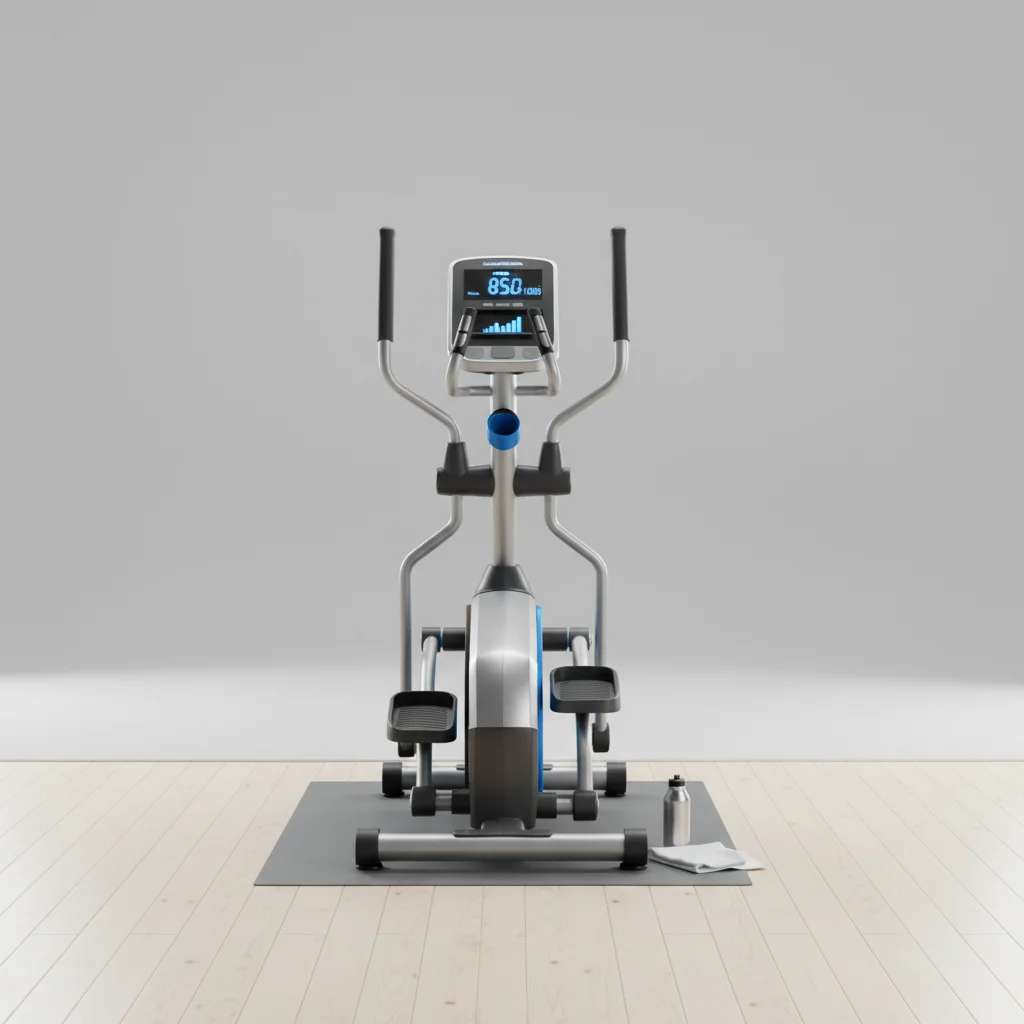
Elliptical trainers are highly effective for weight loss, allowing users to burn between 300 and 600 calories per hour, depending on intensity, body weight, and individual metabolism. This makes them a powerful tool for creating the calorie deficit necessary for shedding pounds, especially when combined with a balanced diet. The full-body workout engages multiple muscle groups, contributing to a higher caloric expenditure compared to some other cardio machines.
Factors Influencing Calorie Burn on an Elliptical
Several factors dictate the exact number of calories you’ll burn during an elliptical workout. Your body weight plays a significant role; a heavier individual will generally burn more calories performing the same exercise as a lighter person. Intensity is another critical factor: increasing resistance and speed will elevate your heart rate and, consequently, your calorie burn. Furthermore, incorporating arm movements and engaging your core muscles can enhance the overall energy expenditure, turning a moderate workout into a high-intensity session.
Optimizing Your Elliptical Workouts for Maximum Weight Loss
To maximize weight loss, focus on varying your workout routine. Incorporate interval training, alternating between periods of high intensity and lower intensity. This method, known as HIIT (High-Intensity Interval Training), has been shown to boost metabolism and continue burning calories even after your workout is complete. Aim for at least 30-45 minutes of moderate to high-intensity elliptical training most days of the week. Consistency is key, as is gradually increasing the duration or intensity as your fitness improves.
- Maintain a consistent pace for at least 30 minutes.
- Incorporate high-intensity intervals (HIIT) to boost metabolism.
- Engage both upper and lower body for a full-body workout.
- Increase resistance gradually as your fitness level improves.
- Monitor your heart rate to stay within your target fat-burning zone.
Comparing Elliptical Calorie Burn to Other Cardio Machines
|
Our Picks for the Best Elliptical Trainer in 2026
As an Amazon Associate I earn from qualifying purchases.
|
||
| Num | Product | Action |
|---|---|---|
| 1 | Sunny Health & Fitness Cardio Climber Stepping Elliptical Exercise Machine for Home with 8 Levels of Magnetic Resistance, Performance Monitor, Full Body Workout |

|
| 2 | Under Desk Elliptical Machine, Upgraded 6 Adjustable Resistance &15 Speeds Electric Elliptical Leg Exerciser while Sitting for Seniors with Forward & Reverse Direction, Touch Screen and Remote Control |
|
| 3 | Under Desk Elliptical Machine, Electric Elliptical Leg Exerciser for Seniors Fully Assembled, Quiet & Portable Electric Seated Pedal Exerciser with Remote Control & 12 Adjustable Speeds |
|
| 4 | Elliptical Exercise Machine for Apartments and Homes,8 Levels of Magnetic Resistance,15.5-inch Stride Elliptical Machine, and Supports Users up to 400 pounds Elliptical Training Machines; |
|
| 5 | Under Desk Elliptical Machine, Electric Elliptical as Seen on TV for Seniors Adults with 15 Adjustable Speed, Quiet & Portable Electric Seated Pedal Exerciser with Remote Control & 5 Auto Mode |
|
| 6 | Under Desk Elliptical Machine, Electric Elliptical Leg Exerciser While Sitting for Seniors with Upgraded 15 Speeds & 12 Auto Mode, Forward & Reverse Direction, Quiet Portable Seated Pedal Exerciser |
|
| 7 | Under Desk Elliptical Machine, Electric Seated Pedal Exerciser, Min Leg Exerciser with Remoter, 12 Level Speeds, Forward & Reverse Direction, Manual & Auto Mode for Home Office |
|
| 8 | Cubii JR1, Under Desk Elliptical, Under Desk Bike Pedal Exerciser, Seated Elliptical, Work from Home Fitness, Mini Elliptical Machines for Home Use, Cubii Exerciser for Seniors, Desk Exercise |
|
| 9 | Under Desk Elliptical Machine, Electric Ellipse Leg Exerciser for Senior, Quiet and Compact Electric Seated Pedal Exerciser for Home with Display Monitor, Remote Control and 12 Adjustable Speeds |
|
| 10 | JLL Smart Mini Elliptical – Low-Impact Cardio, Quiet Magnetic Resistance (8 Levels), Compact for Home or Office, LCD Display, Bluetooth SunnyFit App Compatible |
|
While ellipticals offer excellent calorie-burning potential, it’s useful to compare them to other popular cardio machines. A treadmill can burn slightly more calories at higher running speeds, but the elliptical offers a lower-impact alternative, reducing stress on joints. Stationary bikes typically burn fewer calories per hour than ellipticals unless performed at very high intensities. Rowing machines can rival ellipticals in calorie burn due to their full-body engagement. Ultimately, the best machine is the one you will use consistently.
Integrating Elliptical Training into a Holistic Weight Loss Plan
For sustainable weight loss, elliptical training should be part of a broader strategy. This includes a nutrient-dense diet that creates a moderate calorie deficit, adequate sleep, and stress management. While the elliptical is a fantastic tool for burning calories, it cannot compensate for poor dietary choices. Consider consulting a fitness professional or registered dietitian to create a personalized plan that aligns with your specific weight loss goals and health needs.Regular use of an elliptical, combined with these lifestyle adjustments, will yield the most effective and lasting results.
Common Mistakes to Avoid for Effective Elliptical Weight Loss
Many users make common mistakes that hinder their weight loss progress on an elliptical. One frequent error is relying too heavily on the machine’s pre-set programs without adjusting them to personal fitness levels. Another mistake is maintaining the same low intensity for every workout, which prevents the body from adapting and burning more calories. Avoid leaning too much on the handlebars, as this reduces the engagement of core and leg muscles, diminishing the workout’s effectiveness. Ensure proper form to maximize muscle activation and prevent injury.Focus on pushing through your heels and engaging your glutes and hamstrings for optimal results.
