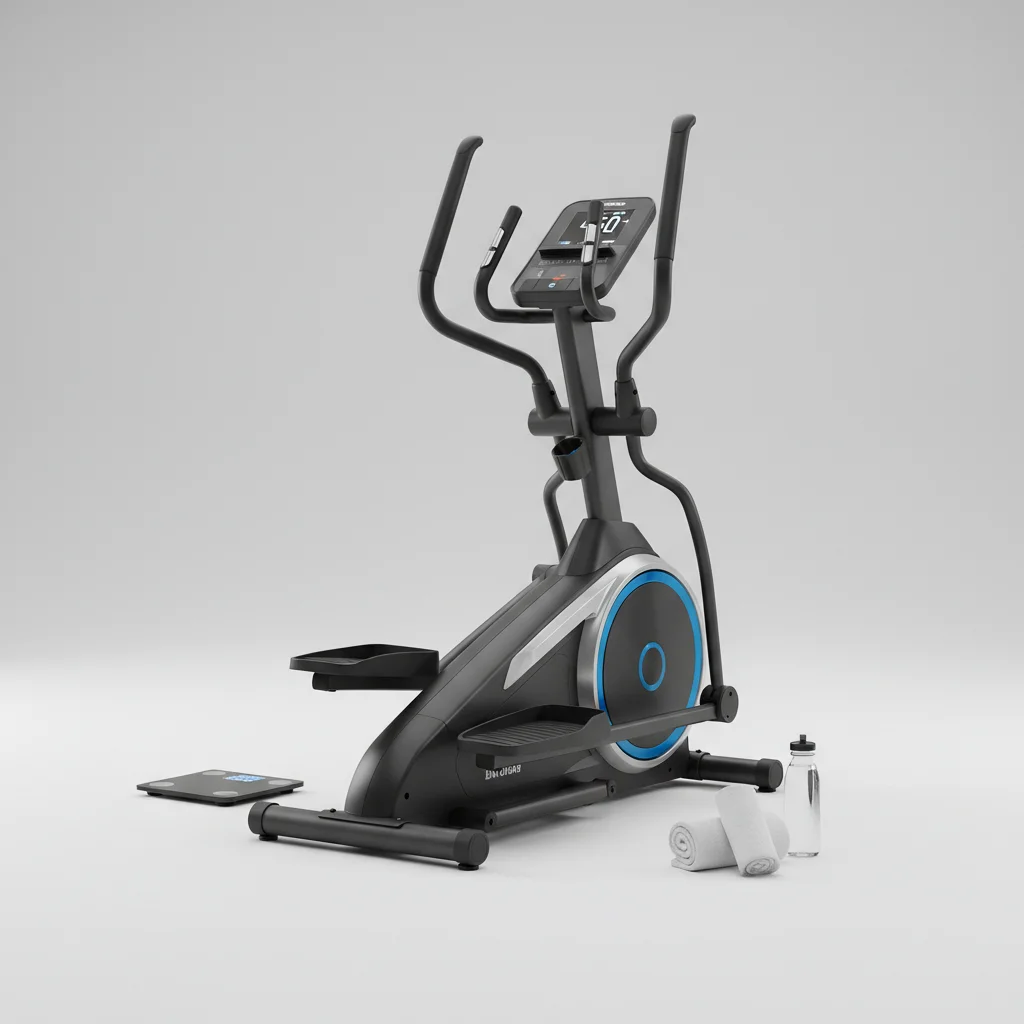
An elliptical trainer can be a highly effective tool for weight loss, with users typically burning between 270 to 400 calories in a 30-minute session, depending on intensity, body weight, and individual metabolism. This makes it a strong contender for cardiovascular exercise that contributes significantly to a calorie deficit, which is essential for shedding pounds.
Understanding Calorie Burn on an Elliptical
The number of calories you burn on an elliptical trainer is influenced by several factors. Your body weight plays a crucial role; a heavier individual will generally expend more energy to perform the same exercise as a lighter person. Intensity is another key variable. Pushing yourself with higher resistance levels and a faster pace will naturally increase your calorie expenditure. Many modern ellipticals also offer pre-programmed workouts that vary intensity, helping users maximize their burn.
For example, a 150-pound person might burn around 300 calories in 30 minutes at a moderate pace, while a 200-pound person could burn closer to 400 calories in the same timeframe and intensity. Incorporating interval training, where you alternate between high and low intensity, can further boost your metabolic rate during and after your workout.
Optimizing Your Elliptical Workouts for Fat Loss
To truly leverage your elliptical for weight loss, focus on consistency and progressive overload. Aim for at least 150 minutes of moderate-intensity or 75 minutes of vigorous-intensity exercise per week. Gradually increase your workout duration, resistance, or speed over time to keep challenging your body and prevent plateaus.
Consider incorporating full-body engagement by actively using the moving handlebars. This engages your upper body muscles, leading to a greater overall calorie burn and a more comprehensive workout. Maintaining good posture throughout your session is also vital for maximizing efficiency and preventing injury.
Diet and Elliptical Training: A Synergistic Approach
|
Our Picks for the Best Elliptical Trainer in 2026
As an Amazon Associate I earn from qualifying purchases.
|
||
| Num | Product | Action |
|---|---|---|
| 1 | Under Desk Elliptical Machine, Electric Seated Pedal Exerciser, Min Leg Exerciser with Remoter, 12 Level Speeds, Forward & Reverse Direction, Manual & Auto Mode for Home Office |

|
| 2 | Cubii JR1, Under Desk Elliptical, Under Desk Bike Pedal Exerciser, Seated Elliptical, Work from Home Fitness, Mini Elliptical Machines for Home Use, Cubii Exerciser for Seniors, Desk Exercise |
|
| 3 | Under Desk Elliptical Machine, Electric Ellipse Leg Exerciser for Senior, Quiet and Compact Electric Seated Pedal Exerciser for Home with Display Monitor, Remote Control and 12 Adjustable Speeds |
|
| 4 | Elliptical Exercise Machine for Apartments and Homes,8 Levels of Magnetic Resistance,15.5-inch Stride Elliptical Machine, and Supports Users up to 400 pounds Elliptical Training Machines; |
|
| 5 | JLL Smart Mini Elliptical – Low-Impact Cardio, Quiet Magnetic Resistance (8 Levels), Compact for Home or Office, LCD Display, Bluetooth SunnyFit App Compatible |
|
| 6 | Under Desk Elliptical Machine, Electric Elliptical Leg Exerciser While Sitting for Seniors with Upgraded 15 Speeds & 12 Auto Mode, Forward & Reverse Direction, Quiet Portable Seated Pedal Exerciser |
|
| 7 | Sunny Health & Fitness Cardio Climber Stepping Elliptical Exercise Machine for Home with 8 Levels of Magnetic Resistance, Performance Monitor, Full Body Workout |
|
| 8 | Under Desk Elliptical Machine, Upgraded 6 Adjustable Resistance &15 Speeds Electric Elliptical Leg Exerciser while Sitting for Seniors with Forward & Reverse Direction, Touch Screen and Remote Control |
|
| 9 | Under Desk Elliptical Machine, Electric Elliptical as Seen on TV for Seniors Adults with 15 Adjustable Speed, Quiet & Portable Electric Seated Pedal Exerciser with Remote Control & 5 Auto Mode |
|
| 10 | Under Desk Elliptical Machine, Electric Elliptical Leg Exerciser for Seniors Fully Assembled, Quiet & Portable Electric Seated Pedal Exerciser with Remote Control & 12 Adjustable Speeds |
|
While elliptical training is excellent for burning calories, it’s crucial to pair it with a balanced and calorie-controlled diet for optimal weight loss results. Exercise alone may not be sufficient if your caloric intake exceeds your expenditure. Focus on whole, unprocessed foods, lean proteins, and plenty of fruits and vegetables.
Hydration is also key. Drinking enough water supports your metabolism and can help you feel fuller, reducing the likelihood of overeating. Remember that sustainable weight loss is a marathon, not a sprint, and requires a holistic approach combining regular exercise with smart nutritional choices.
Choosing the Right Elliptical for Your Goals
The type of elliptical you use can also impact your weight loss journey. While most ellipticals offer similar calorie-burning potential, features like varied resistance levels, pre-set programs, and comfortable ergonomics can make your workouts more enjoyable and effective, encouraging greater consistency.
- Look for models with a wide range of resistance settings.
- Consider ellipticals with interactive training programs.
- Ensure the stride length is comfortable for your height.
- Check for robust build quality for long-term use.
- Prioritize models with clear, easy-to-read consoles.
Investing in a quality machine that fits your needs can significantly enhance your motivation and adherence to a regular exercise routine.Many users find that a machine with a smooth, natural motion helps them sustain longer workouts without discomfort.
Tracking Progress and Staying Motivated
Monitoring your progress is essential for staying motivated on your weight loss journey. Many ellipticals come with built-in calorie counters, distance trackers, and heart rate monitors. While these can provide estimates, using a fitness tracker or app can offer more detailed insights into your overall activity and calorie expenditure.
Set realistic goals and celebrate small victories along the way. Remember that weight loss is not always linear, and fluctuations are normal. Focus on consistent effort and the overall trend of improvement.Joining online communities or finding an accountability partner can also provide valuable support and encouragement.
