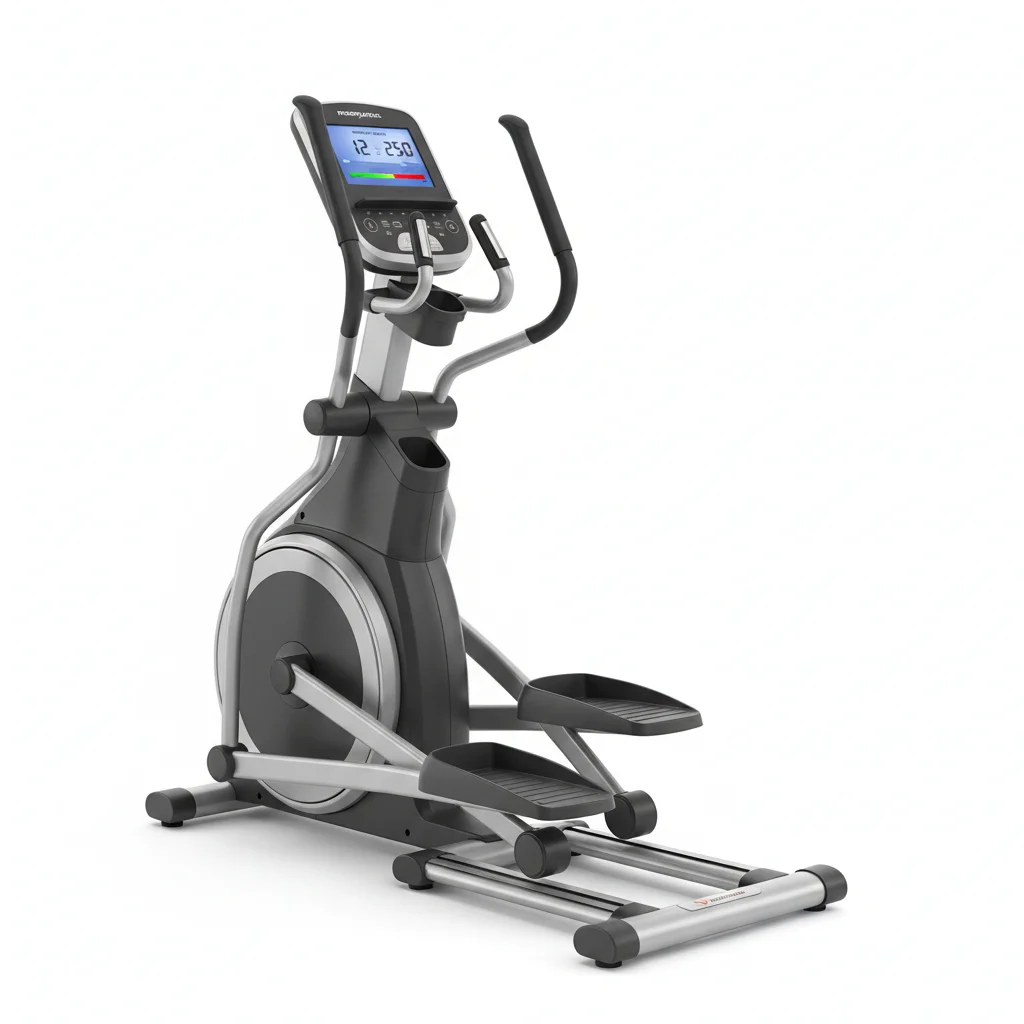
Understanding elliptical trainer resistance levels is crucial for an effective workout. Most home elliptical trainers offer between 8 and 20 distinct resistance levels, allowing users to precisely control the intensity of their exercise. The ideal resistance level depends on your fitness goals, current physical condition, and the specific workout you’re performing, ranging from light cardio to challenging strength endurance.
How Resistance Works on Ellipticals
Elliptical trainers primarily use magnetic resistance systems, either manual or electronic. Manual systems typically involve a knob that adjusts the distance between magnets and the flywheel, while electronic systems use a motor to make these adjustments, often controlled via the console. Higher resistance levels mean the flywheel is harder to turn, requiring more effort from your muscles and increasing calorie expenditure.
Some advanced ellipticals incorporate air or electromagnetic resistance, offering a smoother and often quieter operation. Regardless of the mechanism, the core principle remains: more resistance equals a more demanding workout, targeting different muscle groups with greater intensity.
Choosing the Right Resistance for Your Goals
Your fitness objectives should guide your resistance selection. For general cardiovascular health and warm-ups, lower resistance levels (1-5) are suitable, allowing for a higher stride rate. If your goal is to build endurance, moderate resistance (6-12) combined with sustained effort is effective. For strength building and muscle toning, particularly in the glutes and quads, higher resistance levels (13-20) will challenge your muscles more significantly, often requiring a slower, more deliberate stride.
It’s important to listen to your body and gradually increase resistance as your fitness improves. Pushing too hard too soon can lead to injury or burnout. A good rule of thumb is to select a resistance where you can maintain proper form and feel challenged but not overwhelmed.
Varying Resistance for Interval Training
|
Our Picks for the Best Elliptical Trainer in 2026
As an Amazon Associate I earn from qualifying purchases.
|
||
| Num | Product | Action |
|---|---|---|
| 1 | Under Desk Elliptical Machine, Electric Elliptical Leg Exerciser for Seniors Fully Assembled, Quiet & Portable Electric Seated Pedal Exerciser with Remote Control & 12 Adjustable Speeds |

|
| 2 | Elliptical Exercise Machine for Apartments and Homes,8 Levels of Magnetic Resistance,15.5-inch Stride Elliptical Machine, and Supports Users up to 400 pounds Elliptical Training Machines; |
|
| 3 | Under Desk Elliptical Machine, Electric Elliptical Leg Exerciser While Sitting for Seniors with Upgraded 15 Speeds & 12 Auto Mode, Forward & Reverse Direction, Quiet Portable Seated Pedal Exerciser |
|
| 4 | Under Desk Elliptical Machine, Electric Elliptical as Seen on TV for Seniors Adults with 15 Adjustable Speed, Quiet & Portable Electric Seated Pedal Exerciser with Remote Control & 5 Auto Mode |
|
| 5 | Sunny Health & Fitness Cardio Climber Stepping Elliptical Exercise Machine for Home with 8 Levels of Magnetic Resistance, Performance Monitor, Full Body Workout |
|
| 6 | Under Desk Elliptical Machine, Electric Seated Pedal Exerciser, Min Leg Exerciser with Remoter, 12 Level Speeds, Forward & Reverse Direction, Manual & Auto Mode for Home Office |
|
| 7 | JLL Smart Mini Elliptical – Low-Impact Cardio, Quiet Magnetic Resistance (8 Levels), Compact for Home or Office, LCD Display, Bluetooth SunnyFit App Compatible |
|
| 8 | Under Desk Elliptical Machine, Electric Ellipse Leg Exerciser for Senior, Quiet and Compact Electric Seated Pedal Exerciser for Home with Display Monitor, Remote Control and 12 Adjustable Speeds |
|
| 9 | Under Desk Elliptical Machine, Upgraded 6 Adjustable Resistance &15 Speeds Electric Elliptical Leg Exerciser while Sitting for Seniors with Forward & Reverse Direction, Touch Screen and Remote Control |
|
| 10 | Cubii JR1, Under Desk Elliptical, Under Desk Bike Pedal Exerciser, Seated Elliptical, Work from Home Fitness, Mini Elliptical Machines for Home Use, Cubii Exerciser for Seniors, Desk Exercise |
|
Interval training, which alternates between high and low intensity, is highly effective for burning calories and improving cardiovascular fitness. Elliptical trainers are excellent for this, as you can quickly adjust resistance levels. For example, you might perform 2 minutes at a high resistance (e.g., level 15) followed by 1 minute at a low resistance (e.g., level 5), repeating this cycle for the duration of your workout.
Many modern ellipticals come with pre-programmed interval workouts that automatically adjust resistance, taking the guesswork out of your training. This allows you to focus solely on your effort and form.
Common Resistance Issues and Troubleshooting
If your elliptical’s resistance isn’t working correctly, several factors could be at play. For electronic resistance systems, a loose console wire or a faulty motor can prevent proper adjustment. Manual systems might have issues with the tension cable or the resistance knob mechanism.
- Check all cable connections to the console and motor.
- Inspect the resistance knob or lever for any physical damage.
- Ensure the power adapter is securely plugged in and functioning.
- Consult your owner’s manual for specific troubleshooting steps.
- If issues persist, professional service may be required.
Regular maintenance, such as keeping the machine clean and checking for loose parts, can help prevent many common resistance problems.Investing in a quality elliptical with a robust resistance system can also minimize future issues and ensure a consistent workout experience.
Maximizing Your Workout with Proper Resistance
To truly maximize your elliptical workout, don’t just stick to one resistance level. Experiment with different settings to engage various muscle groups and prevent plateaus. Incorporate inclines if your machine offers them, as this further intensifies the workout and targets different areas of your legs and glutes.
Remember that consistency is key. Even if you start at lower resistance levels, regular use will lead to improved fitness, allowing you to gradually increase the challenge.Always warm up with a few minutes at a low resistance and cool down similarly to prepare your body and aid recovery.
