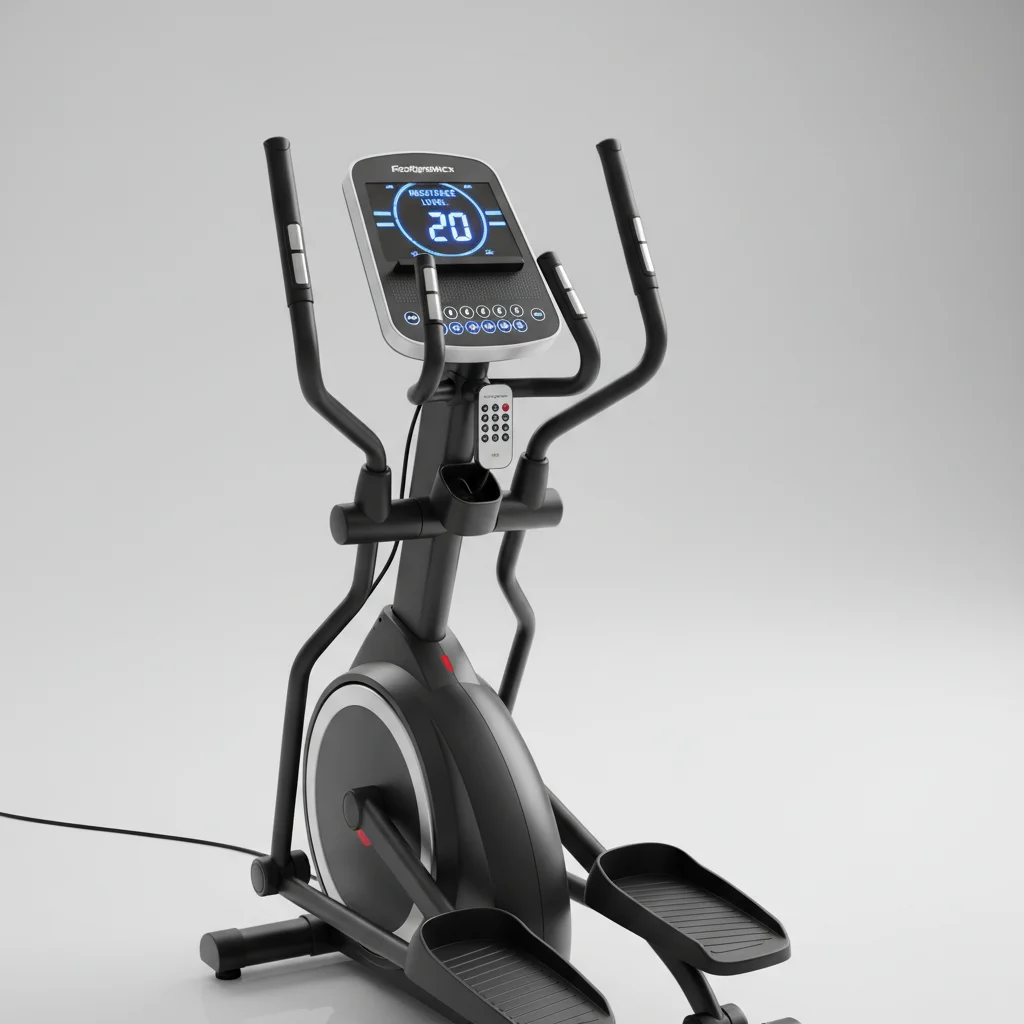
For most home users, an elliptical trainer with 16 to 20 resistance levels provides sufficient variety for progressive workouts and accommodates different fitness goals. This range allows for gentle warm-ups, challenging interval training, and steady-state cardio, ensuring the machine remains effective as your fitness improves.
Understanding Elliptical Resistance Mechanisms
Elliptical trainers primarily use magnetic resistance, which is generated by magnets moving closer to or further from a flywheel. This system offers a smooth, quiet, and consistent workout experience. The number of resistance levels indicates the granularity of control you have over the intensity of your workout. More levels generally mean finer adjustments, allowing you to precisely dial in your desired challenge.
Some older or very budget-friendly models might use friction resistance, which involves a pad pressing against the flywheel. While functional, friction systems tend to be noisier, less smooth, and require more maintenance. Magnetic resistance is the standard for modern home ellipticals due to its durability and user experience.
Why More Resistance Levels Matter
A higher number of resistance levels offers several advantages. Firstly, it allows for more gradual progression. As you get fitter, you can increase the resistance in smaller increments, preventing plateaus and reducing the risk of overexertion. Secondly, it caters to multiple users with varying fitness levels within the same household. A beginner might start at level 5, while an advanced user could find a challenge at level 18.
Thirdly, a wider range of resistance facilitates diverse workout types. You can easily switch between low-resistance, high-cadence intervals and high-resistance, strength-focused segments. This versatility keeps workouts engaging and effective for achieving different fitness outcomes, from endurance building to calorie burning.
Finding Your Ideal Resistance Range
|
Our Picks for the Best Elliptical Trainer in 2026
As an Amazon Associate I earn from qualifying purchases.
|
||
| Num | Product | Action |
|---|---|---|
| 1 | Under Desk Elliptical Machine, Electric Ellipse Leg Exerciser for Senior, Quiet and Compact Electric Seated Pedal Exerciser for Home with Display Monitor, Remote Control and 12 Adjustable Speeds |

|
| 2 | Under Desk Elliptical Machine, Electric Elliptical Leg Exerciser While Sitting for Seniors with Upgraded 15 Speeds & 12 Auto Mode, Forward & Reverse Direction, Quiet Portable Seated Pedal Exerciser |
|
| 3 | Sunny Health & Fitness Cardio Climber Stepping Elliptical Exercise Machine for Home with 8 Levels of Magnetic Resistance, Performance Monitor, Full Body Workout |
|
| 4 | Cubii JR1, Under Desk Elliptical, Under Desk Bike Pedal Exerciser, Seated Elliptical, Work from Home Fitness, Mini Elliptical Machines for Home Use, Cubii Exerciser for Seniors, Desk Exercise |
|
| 5 | Under Desk Elliptical Machine, Electric Elliptical Leg Exerciser for Seniors Fully Assembled, Quiet & Portable Electric Seated Pedal Exerciser with Remote Control & 12 Adjustable Speeds |
|
| 6 | Under Desk Elliptical Machine, Electric Elliptical as Seen on TV for Seniors Adults with 15 Adjustable Speed, Quiet & Portable Electric Seated Pedal Exerciser with Remote Control & 5 Auto Mode |
|
| 7 | Under Desk Elliptical Machine, Electric Seated Pedal Exerciser, Min Leg Exerciser with Remoter, 12 Level Speeds, Forward & Reverse Direction, Manual & Auto Mode for Home Office |
|
| 8 | JLL Smart Mini Elliptical – Low-Impact Cardio, Quiet Magnetic Resistance (8 Levels), Compact for Home or Office, LCD Display, Bluetooth SunnyFit App Compatible |
|
| 9 | Elliptical Exercise Machine for Apartments and Homes,8 Levels of Magnetic Resistance,15.5-inch Stride Elliptical Machine, and Supports Users up to 400 pounds Elliptical Training Machines; |
|
| 10 | Under Desk Elliptical Machine, Upgraded 6 Adjustable Resistance &15 Speeds Electric Elliptical Leg Exerciser while Sitting for Seniors with Forward & Reverse Direction, Touch Screen and Remote Control |
|
When selecting an elliptical, consider your current fitness level and future aspirations. If you are a complete beginner, even 8-12 levels might feel adequate initially. However, you will likely outgrow this range quickly. For intermediate users, 16-20 levels offer a good balance of challenge and progression. Advanced users or those planning intense interval training might benefit from 24 or more levels.
It’s also important to test the machine if possible. What one manufacturer calls ‘level 10’ might feel different on another brand’s machine. Focus on the overall feel of the resistance and whether it provides a smooth transition between levels rather than just the raw number.
- Beginners: Look for at least 12-16 resistance levels for initial progression.
- Intermediate Users: Aim for 16-20 levels to support varied and challenging workouts.
- Advanced Users: Consider 20+ levels for maximum intensity and fine-tuned control.
- Family Use: A wider range (18-24 levels) accommodates multiple fitness levels.
- Workout Variety: More levels enable better execution of HIIT and strength-focused routines.
Maintenance and Longevity of Resistance Systems
Magnetic resistance systems are generally low maintenance. Unlike friction systems, there are no pads to wear out or replace. However, ensuring the elliptical is kept clean and free of dust can help maintain the smooth operation of the internal components. If you notice inconsistent resistance or unusual noises, it could indicate an issue with the magnetic assembly or the console’s control over it.
Regular calibration, though often not user-serviceable, ensures the resistance levels remain accurate over time. For most home ellipticals, simply keeping the machine clean and ensuring all connections are secure is sufficient to maintain the integrity of the resistance system.Investing in a model with a robust resistance mechanism from a reputable brand can significantly extend the lifespan and consistent performance of your elliptical trainer.
