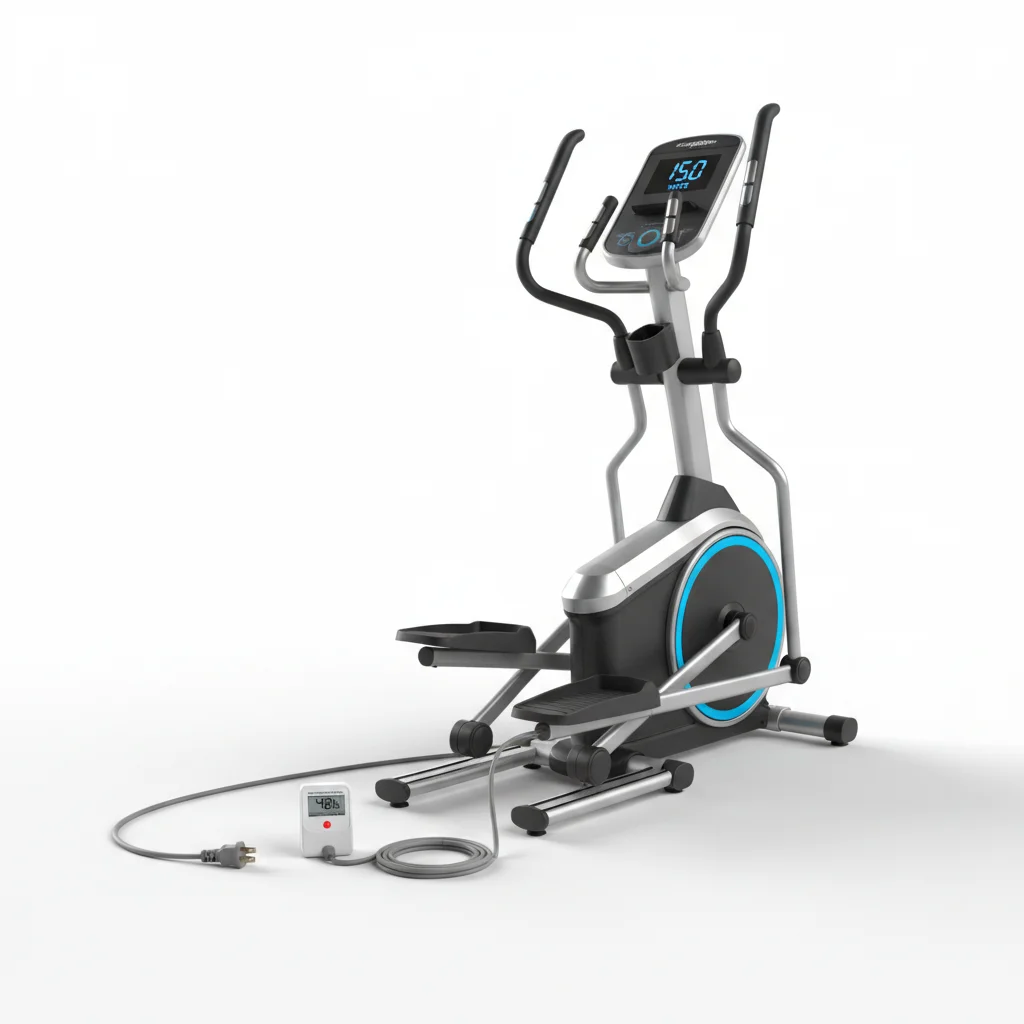
An elliptical trainer typically consumes between 30 and 100 watts of power during a workout, depending on the model, resistance level, and user intensity. This translates to a relatively low energy footprint compared to other household appliances, making it an efficient choice for home fitness.
Factors Influencing Elliptical Power Usage
Several key factors dictate how much electricity your elliptical trainer will draw. The most significant is the type of resistance system. Magnetic resistance systems, common in many home ellipticals, generally require less power than older electromagnetic systems. The intensity of your workout also plays a crucial role; higher resistance settings and faster strides demand more energy from the motor to maintain operation. For more home fitness guides on this site.
The console features, such as touchscreens, cooling fans, and advanced metrics displays, also contribute to overall power consumption. While these features enhance the user experience, they do add to the electrical load. Understanding these variables can help you estimate your specific machine’s energy use.
Comparing Elliptical Energy Efficiency
When considering energy efficiency, ellipticals generally outperform treadmills, which often have powerful motors to drive the belt, consuming upwards of 500-700 watts. Stationary bikes, particularly those with magnetic resistance, are often comparable to ellipticals in their low power draw. This makes ellipticals an attractive option for environmentally conscious users or those looking to minimize their electricity bill.
Many modern ellipticals are designed with energy-saving features, such as auto-shutoff functions and low-power standby modes. Checking the specifications of a particular model can provide precise details on its energy consumption. For example, a basic model might use around 40 watts, while a feature-rich commercial-grade machine could peak at 120 watts.
Calculating Your Elliptical’s Energy Cost
|
Our Picks for the Best Elliptical Trainer in 2026
As an Amazon Associate I earn from qualifying purchases.
|
||
| Num | Product | Action |
|---|---|---|
| 1 | Under Desk Elliptical Machine, Electric Elliptical Leg Exerciser for Seniors Fully Assembled, Quiet & Portable Electric Seated Pedal Exerciser with Remote Control & 12 Adjustable Speeds |

|
| 2 | Under Desk Elliptical Machine, Electric Ellipse Leg Exerciser for Senior, Quiet and Compact Electric Seated Pedal Exerciser for Home with Display Monitor, Remote Control and 12 Adjustable Speeds |
|
| 3 | Elliptical Exercise Machine for Apartments and Homes,8 Levels of Magnetic Resistance,15.5-inch Stride Elliptical Machine, and Supports Users up to 400 pounds Elliptical Training Machines; |
|
| 4 | Sunny Health & Fitness Cardio Climber Stepping Elliptical Exercise Machine for Home with 8 Levels of Magnetic Resistance, Performance Monitor, Full Body Workout |
|
| 5 | Under Desk Elliptical Machine, Upgraded 6 Adjustable Resistance &15 Speeds Electric Elliptical Leg Exerciser while Sitting for Seniors with Forward & Reverse Direction, Touch Screen and Remote Control |
|
| 6 | Under Desk Elliptical Machine, Electric Seated Pedal Exerciser, Min Leg Exerciser with Remoter, 12 Level Speeds, Forward & Reverse Direction, Manual & Auto Mode for Home Office |
|
| 7 | JLL Smart Mini Elliptical – Low-Impact Cardio, Quiet Magnetic Resistance (8 Levels), Compact for Home or Office, LCD Display, Bluetooth SunnyFit App Compatible |
|
| 8 | Cubii JR1, Under Desk Elliptical, Under Desk Bike Pedal Exerciser, Seated Elliptical, Work from Home Fitness, Mini Elliptical Machines for Home Use, Cubii Exerciser for Seniors, Desk Exercise |
|
| 9 | Under Desk Elliptical Machine, Electric Elliptical Leg Exerciser While Sitting for Seniors with Upgraded 15 Speeds & 12 Auto Mode, Forward & Reverse Direction, Quiet Portable Seated Pedal Exerciser |
|
| 10 | Under Desk Elliptical Machine, Electric Elliptical as Seen on TV for Seniors Adults with 15 Adjustable Speed, Quiet & Portable Electric Seated Pedal Exerciser with Remote Control & 5 Auto Mode |
|
To calculate the approximate cost of running your elliptical, you’ll need its wattage and your local electricity rate. If your elliptical uses 60 watts and you work out for one hour daily, that’s 0.06 kWh per day. Over a month (30 days), this is 1.8 kWh. If your electricity costs $0.15 per kWh, your monthly cost would be $0.27. This demonstrates the minimal financial impact of operating an elliptical.
- Check the elliptical’s power specifications (often on a sticker or in the manual).
- Note your average workout duration in hours.
- Find your electricity rate per kilowatt-hour (kWh) on your utility bill.
- Multiply watts by hours, then divide by 1000 to get kWh.
- Multiply kWh by your electricity rate for the total cost.
Tips for Reducing Elliptical Power Consumption
While ellipticals are already energy-efficient, there are minor ways to further reduce their power consumption. Unplugging the machine when not in use can prevent phantom load, which is the small amount of electricity devices consume even when turned off but still plugged in. Opting for models with fewer high-power features, such as large touchscreens or integrated fans, can also slightly lower energy draw.
Regular maintenance, including keeping moving parts clean and lubricated, ensures the machine operates smoothly and efficiently, preventing the motor from working harder than necessary. A well-maintained elliptical requires less effort from its electrical components, indirectly contributing to lower power usage. Consider models like thefor excellent energy efficiency.
Understanding Power Requirements for Installation
Most home elliptical trainers operate on standard household 120V outlets and do not require dedicated circuits. Their low wattage means they won’t overload typical home electrical systems. However, it’s always wise to ensure the outlet is in good condition and not shared with other high-power appliances to prevent any potential issues. For larger, commercial-grade ellipticals, always consult the manufacturer’s guidelines for specific electrical requirements.
If you’re setting up a home gym, understanding the power needs of all your equipment is crucial. An elliptical’s modest power draw makes it a flexible addition to almost any space without significant electrical upgrades. For a reliable and efficient option, check out the.
