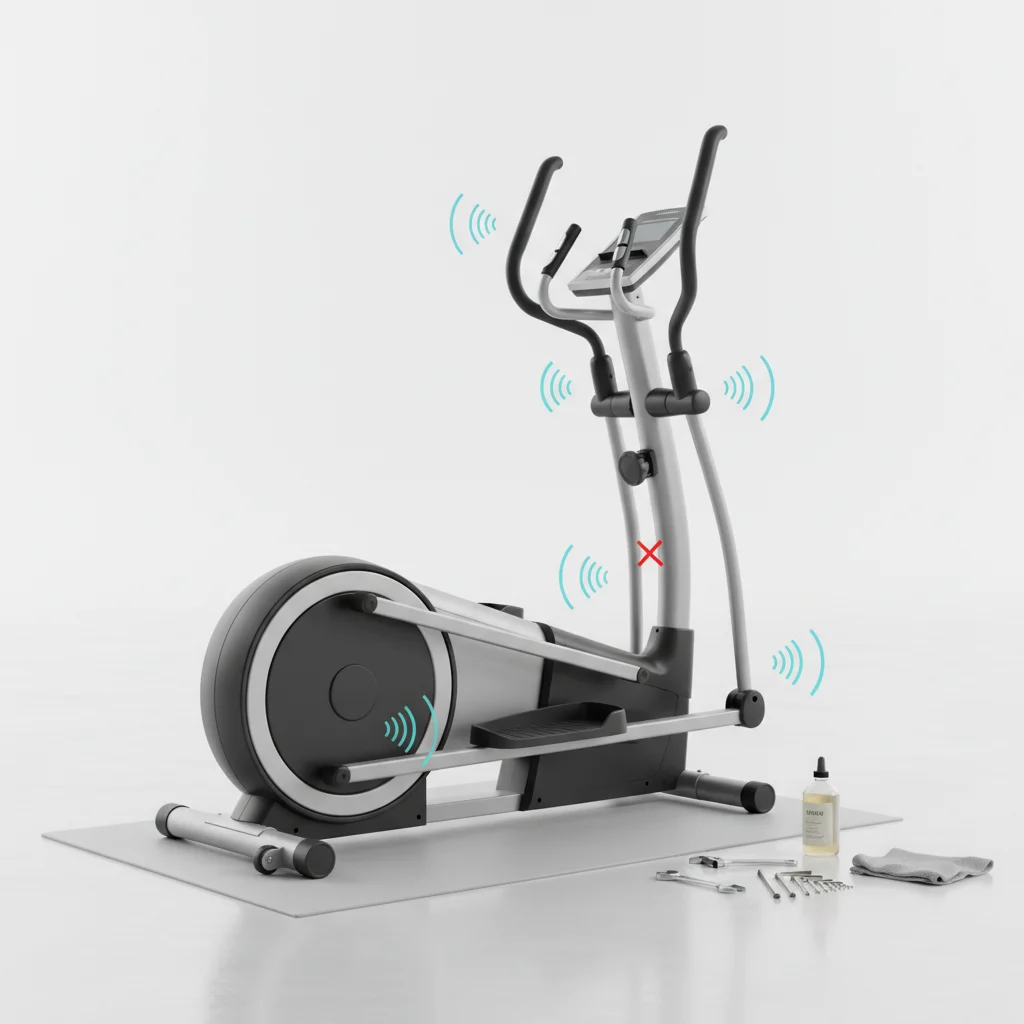
Addressing elliptical trainer noise, especially persistent squeaks, typically involves identifying the source and applying a targeted solution. Most squeaks originate from loose bolts, unlubricated joints, or worn-out components. By systematically checking these areas, you can often resolve the issue in under 30 minutes.
Common Causes of Elliptical Squeaks
Squeaking sounds from an elliptical trainer are usually a sign of friction where it shouldn’t be. The most frequent culprits include loose bolts on the frame or moving parts, dry pivot points, or even dust and debris accumulating in the joints. Over time, the constant motion can wear down bushings or bearings, leading to metal-on-metal contact that produces a high-pitched squeak.
Another common cause is the stabilizer feet not being properly adjusted, causing the machine to wobble and create friction against the floor or its own frame. It’s crucial to ensure your elliptical is on a level surface and all feet are making firm contact.
Tools and Materials for Troubleshooting
Before you begin, gather a few essential tools. You’ll likely need an adjustable wrench or a set of metric hex keys, a can of silicone-based lubricant (avoid petroleum-based products as they can damage plastic or rubber components), and a clean cloth. Having a flashlight can also be helpful for inspecting hard-to-reach areas.
For more stubborn squeaks, you might consider a small brush to clean out any accumulated grime from the joints. Always consult your elliptical’s user manual for specific lubrication points and recommended lubricant types.
Step-by-Step Squeak Diagnosis and Fix
|
Our Picks for the Best Elliptical Trainer in 2026
As an Amazon Associate I earn from qualifying purchases.
|
||
| Num | Product | Action |
|---|---|---|
| 1 | Elliptical Exercise Machine for Apartments and Homes,8 Levels of Magnetic Resistance,15.5-inch Stride Elliptical Machine, and Supports Users up to 400 pounds Elliptical Training Machines; |

|
| 2 | Under Desk Elliptical Machine, Upgraded 6 Adjustable Resistance &15 Speeds Electric Elliptical Leg Exerciser while Sitting for Seniors with Forward & Reverse Direction, Touch Screen and Remote Control |
|
| 3 | Cubii JR1, Under Desk Elliptical, Under Desk Bike Pedal Exerciser, Seated Elliptical, Work from Home Fitness, Mini Elliptical Machines for Home Use, Cubii Exerciser for Seniors, Desk Exercise |
|
| 4 | Under Desk Elliptical Machine, Electric Seated Pedal Exerciser, Min Leg Exerciser with Remoter, 12 Level Speeds, Forward & Reverse Direction, Manual & Auto Mode for Home Office |
|
| 5 | Under Desk Elliptical Machine, Electric Elliptical Leg Exerciser for Seniors Fully Assembled, Quiet & Portable Electric Seated Pedal Exerciser with Remote Control & 12 Adjustable Speeds |
|
| 6 | Under Desk Elliptical Machine, Electric Ellipse Leg Exerciser for Senior, Quiet and Compact Electric Seated Pedal Exerciser for Home with Display Monitor, Remote Control and 12 Adjustable Speeds |
|
| 7 | JLL Smart Mini Elliptical – Low-Impact Cardio, Quiet Magnetic Resistance (8 Levels), Compact for Home or Office, LCD Display, Bluetooth SunnyFit App Compatible |
|
| 8 | Under Desk Elliptical Machine, Electric Elliptical as Seen on TV for Seniors Adults with 15 Adjustable Speed, Quiet & Portable Electric Seated Pedal Exerciser with Remote Control & 5 Auto Mode |
|
| 9 | Under Desk Elliptical Machine, Electric Elliptical Leg Exerciser While Sitting for Seniors with Upgraded 15 Speeds & 12 Auto Mode, Forward & Reverse Direction, Quiet Portable Seated Pedal Exerciser |
|
| 10 | Sunny Health & Fitness Cardio Climber Stepping Elliptical Exercise Machine for Home with 8 Levels of Magnetic Resistance, Performance Monitor, Full Body Workout |
|
Start by visually inspecting the entire machine while someone else gently uses it, if possible, to pinpoint the general area of the squeak. Pay close attention to the pedal arms, handlebars, and the flywheel housing. Once you’ve narrowed down the location, follow these steps:
- Tighten All Bolts: Systematically go through every visible bolt and screw on the frame, pedal arms, and handlebars. Loose connections are a primary source of noise.
- Lubricate Pivot Points: Apply a small amount of silicone lubricant to all pivot points, joints, and any areas where metal meets metal or plastic. Wipe away any excess.
- Check Stabilizer Feet: Ensure the elliptical is stable and not rocking. Adjust the leveling feet until the machine is firm on the ground.
- Inspect Flywheel and Belt: If the squeak seems to come from the main drive, check the flywheel area for any obstructions or signs of wear on the drive belt.
- Clean Rails: If your elliptical has rails for the rollers, clean them thoroughly and apply a thin layer of lubricant if recommended by the manufacturer.
After each step, test the elliptical to see if the squeak has disappeared. This methodical approach helps isolate the problem.
When to Consider Professional Help
While many squeaks can be resolved with DIY methods, some issues might require professional attention. If you’ve tightened all bolts, lubricated all moving parts, and the squeak persists, it could indicate a more serious problem such as a worn-out bearing inside the flywheel assembly or a damaged internal component. These repairs often require specialized tools and expertise.If your elliptical is still under warranty, contact the manufacturer’s customer service before attempting any complex repairs yourself, as unauthorized modifications could void the warranty.
Preventative Maintenance for a Quiet Elliptical
Regular maintenance is key to keeping your elliptical trainer running smoothly and quietly. Aim to check and tighten bolts every 2-3 months, and lubricate pivot points as recommended by your machine’s manual, typically every 3-6 months depending on usage. Keep the machine clean, wiping down sweat and dust after each workout. Periodically inspect the drive belt for any signs of fraying or wear. A little preventative care goes a long way in extending the life of your elliptical and ensuring a peaceful workout experience.
