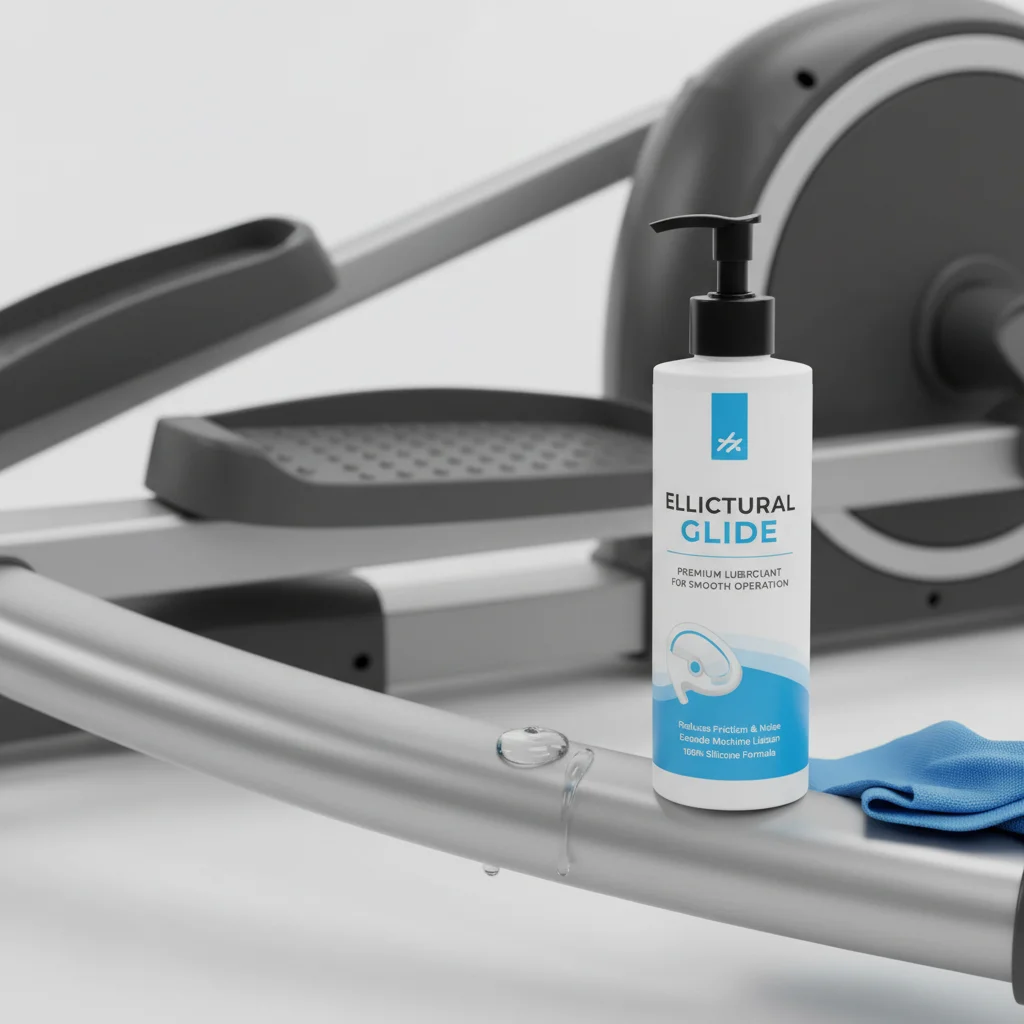
You should lubricate the moving parts of your elliptical trainer at least once every three to six months, depending on usage frequency and environmental factors. This routine maintenance is crucial for extending the machine’s lifespan, ensuring smooth operation, preventing friction, reducing wear and tear, and keeping workouts quiet and efficient.
Understanding the Importance of Lubrication
Lubrication minimizes friction between metal components, which is the primary cause of wear in mechanical systems. Without adequate lubrication, parts can grind against each other, leading to premature failure, increased noise, and less fluid motion during your workout. Regular application of the correct lubricant can significantly prolong the life of your elliptical and maintain its performance.
Identifying Key Areas for Lubrication
The main areas requiring lubrication on an elliptical trainer include the pivot points, the wheel tracks, and any other moving joints. Specifically, pay attention to the connections where the pedals attach to the stride bars, the joints of the handlebars, and the wheels that glide along the tracks. Some models may also have specific internal components that benefit from lubrication, as outlined in the manufacturer’s manual.
- Pedal pivot points and connections
- Handlebar joints and linkages
- Wheel tracks and rollers
- Any visible moving metal-on-metal parts
- Manufacturer-specified internal components
Choosing the Right Lubricant
|
Our Picks for the Best Elliptical Trainer in 2026
As an Amazon Associate I earn from qualifying purchases.
|
||
| Num | Product | Action |
|---|---|---|
| 1 | Under Desk Elliptical Machine, Electric Elliptical Leg Exerciser While Sitting for Seniors with Upgraded 15 Speeds & 12 Auto Mode, Forward & Reverse Direction, Quiet Portable Seated Pedal Exerciser |

|
| 2 | Under Desk Elliptical Machine, Electric Seated Pedal Exerciser, Min Leg Exerciser with Remoter, 12 Level Speeds, Forward & Reverse Direction, Manual & Auto Mode for Home Office |
|
| 3 | Sunny Health & Fitness Cardio Climber Stepping Elliptical Exercise Machine for Home with 8 Levels of Magnetic Resistance, Performance Monitor, Full Body Workout |
|
| 4 | Under Desk Elliptical Machine, Upgraded 6 Adjustable Resistance &15 Speeds Electric Elliptical Leg Exerciser while Sitting for Seniors with Forward & Reverse Direction, Touch Screen and Remote Control |
|
| 5 | Elliptical Exercise Machine for Apartments and Homes,8 Levels of Magnetic Resistance,15.5-inch Stride Elliptical Machine, and Supports Users up to 400 pounds Elliptical Training Machines; |
|
| 6 | JLL Smart Mini Elliptical – Low-Impact Cardio, Quiet Magnetic Resistance (8 Levels), Compact for Home or Office, LCD Display, Bluetooth SunnyFit App Compatible |
|
| 7 | Under Desk Elliptical Machine, Electric Elliptical as Seen on TV for Seniors Adults with 15 Adjustable Speed, Quiet & Portable Electric Seated Pedal Exerciser with Remote Control & 5 Auto Mode |
|
| 8 | Under Desk Elliptical Machine, Electric Ellipse Leg Exerciser for Senior, Quiet and Compact Electric Seated Pedal Exerciser for Home with Display Monitor, Remote Control and 12 Adjustable Speeds |
|
| 9 | Under Desk Elliptical Machine, Electric Elliptical Leg Exerciser for Seniors Fully Assembled, Quiet & Portable Electric Seated Pedal Exerciser with Remote Control & 12 Adjustable Speeds |
|
| 10 | Cubii JR1, Under Desk Elliptical, Under Desk Bike Pedal Exerciser, Seated Elliptical, Work from Home Fitness, Mini Elliptical Machines for Home Use, Cubii Exerciser for Seniors, Desk Exercise |
|
Using the correct type of lubricant is vital. For most elliptical trainers, a silicone-based lubricant is recommended, especially for plastic or rubber components and tracks. For metal-on-metal joints, a light machine oil or a lithium-based grease might be more appropriate. Always consult your elliptical’s user manual for specific recommendations, as using the wrong lubricant can damage components or attract dust and debris.
The Lubrication Process: A Step-by-Step Guide
Before you begin, ensure your elliptical trainer is unplugged and stable. Clean the areas to be lubricated with a damp cloth to remove any dust or old grease. Apply a small amount of the chosen lubricant directly to the moving parts. For pivot points, you might need to move the part back and forth a few times to allow the lubricant to penetrate. For tracks, apply a thin, even layer. Wipe away any excess lubricant to prevent it from attracting dirt. After lubrication, test the machine at a slow pace to ensure everything is moving smoothly.
Beyond Lubrication: Other Maintenance Tips
While lubrication is key, it’s just one part of a comprehensive maintenance routine. Regularly tighten all bolts and screws, especially after the first few weeks of use and then periodically. Keep the machine clean by wiping down surfaces after each workout to prevent sweat corrosion. Check the drive belt for any signs of wear or slippage. Addressing these small issues proactively can prevent larger, more costly repairs down the line.
Frequently Asked Questions
How often should I lubricate my elliptical trainer?
You should lubricate your elliptical trainer's moving parts at least once every three to six months. This frequency can vary based on how often you use the machine and the environmental conditions in your home gym.
What are the key areas on an elliptical that need lubrication?
The key areas for lubrication on an elliptical trainer include the pedal pivot points, handlebar joints, and wheel tracks. Always consult your specific model's user manual for any manufacturer-specified internal components that also require attention.
What type of lubricant is best for elliptical trainers?
For most elliptical trainers, a silicone-based lubricant is recommended for plastic or rubber components and tracks. For metal-on-metal joints, a light machine oil or lithium-based grease is often more appropriate. Refer to your elliptical's user manual for precise recommendations.
Why is regular lubrication important for an elliptical machine?
Regular lubrication is important because it minimizes friction between metal components, which is the primary cause of wear. This practice prevents premature part failure, reduces operational noise, and ensures a smoother, more fluid motion during workouts, significantly extending the machine's life.
Can using the wrong lubricant damage my elliptical?
Yes, using the wrong lubricant can damage your elliptical trainer. Incorrect lubricants may not provide adequate protection, could degrade certain materials like plastic or rubber, or might attract dust and debris, leading to increased wear and potential component failure.
Lubricate Your Elliptical Trainer
Properly lubricate your elliptical trainer's moving parts to ensure smooth operation and extend its lifespan.
First, ensure your elliptical trainer is unplugged from its power source and is stable. Gather your chosen lubricant and a damp cloth for cleaning.
Use a damp cloth to thoroughly clean the areas that require lubrication, such as pivot points, handlebar joints, and wheel tracks. This removes any dust, dirt, or old grease that could hinder the lubricant's effectiveness.
Apply a small amount of the appropriate lubricant directly to the moving parts. For pivot points, move the part back and forth a few times to help the lubricant penetrate. For tracks, apply a thin, even layer.
Wipe away any excess lubricant to prevent it from attracting dirt and debris. Once lubrication is complete, plug in your elliptical and test the machine at a slow pace to confirm all parts are moving smoothly and quietly.

I tried lubricating my elliptical as suggested, focusing on the foot pedal joints, but I’m still getting a bit of a clunking sound. It’s definitely better than before, but not completely silent. Maybe I need a different type of lubricant or I missed a spot. The general advice was helpful though.
I’ve had my elliptical for years and honestly never thought about lubricating it until now. The tip about doing it every three to six months depending on usage makes a lot of sense. I’m a pretty heavy user, so I’ll be sticking to the three-month schedule. It’s already made a noticeable difference in preventing that annoying squeak during my morning routine.
This was super helpful! My elliptical was starting to feel really stiff, and I was worried I’d have to buy a new one. Understanding that lubrication minimizes friction between metal components really clicked for me. After applying the right lubricant, my machine is back to its fluid motion, and my workouts are much more efficient. So glad I found this before giving up on my machine.
I used to think my elliptical was just getting old and noisy, but after reading about how often to lubricate, I gave it a try. I focused on the main areas mentioned, especially the pivot points, and it’s like a brand new machine! My workouts are so much quieter now, and the motion feels incredibly smooth. Definitely a game-changer for extending its lifespan.