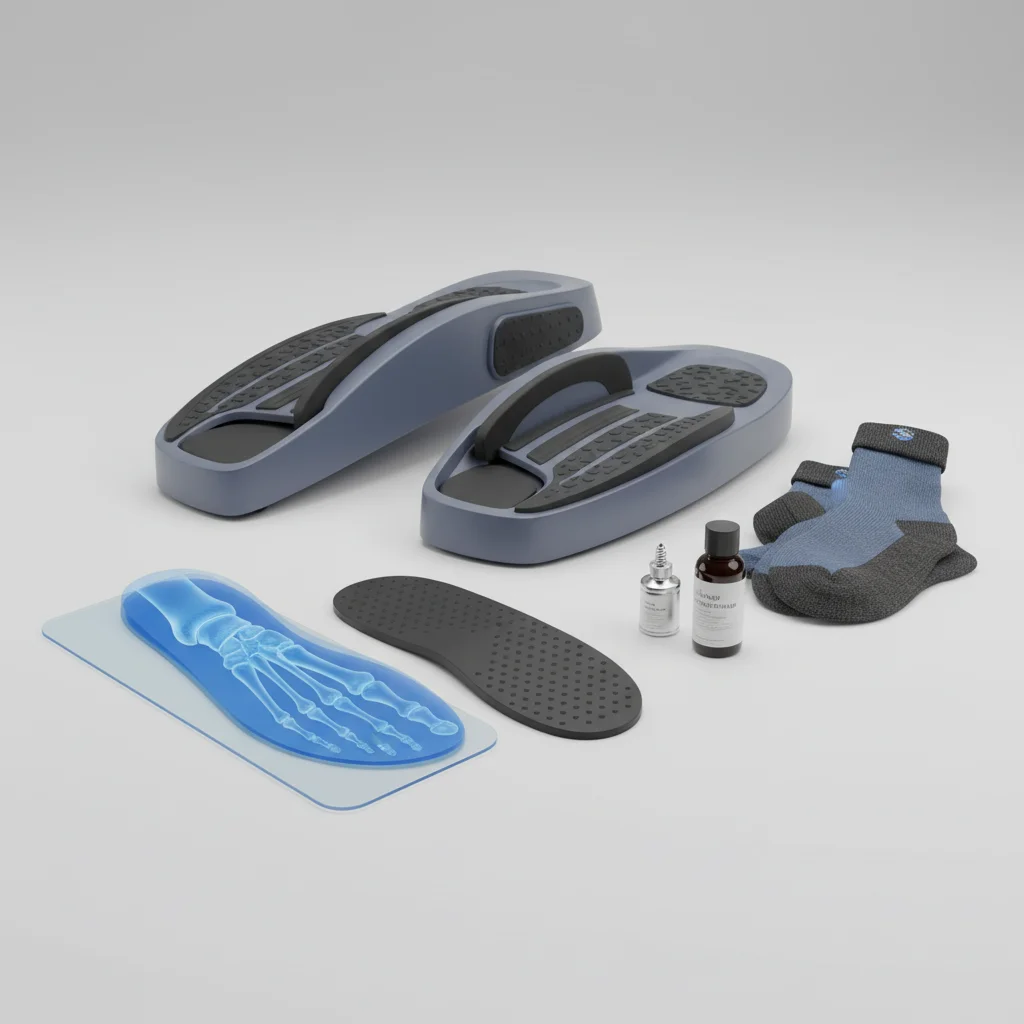
Elliptical trainer foot pain can often be prevented by addressing common issues like improper footwear, poor form, and inadequate machine adjustments. By implementing a few key strategies, you can significantly reduce discomfort and enjoy a more effective workout.
Understanding the Causes of Foot Pain on an Elliptical
Foot pain during elliptical workouts can stem from several factors. One common cause is ill-fitting shoes that lack proper arch support or cushioning, leading to pressure points and strain. Another significant contributor is incorrect foot placement on the pedals, such as allowing your heels to lift excessively or pressing too hard with your toes. Overuse, especially when starting a new routine or increasing intensity too quickly, can also lead to conditions like plantar fasciitis or metatarsalgia. For home fitness buying guides on this site.
Choosing the Right Footwear for Elliptical Workouts
Selecting appropriate athletic shoes is crucial for preventing foot pain. Look for shoes designed for cross-training or walking, which offer good stability, cushioning, and arch support. Avoid running shoes that might have too much heel-to-toe drop, which can alter your foot mechanics on the elliptical. Ensure your shoes fit well, with enough room in the toe box and a snug fit around the heel to prevent your foot from sliding. Consider replacing your workout shoes every 6-12 months, depending on your activity level, as cushioning and support degrade over time.
Optimizing Your Elliptical Form and Stride
Proper form is essential for minimizing stress on your feet. Keep your entire foot flat on the pedal throughout the stride, avoiding excessive heel lifting or toe gripping. Maintain a slight bend in your knees and engage your core to support your body weight, distributing the load evenly. Adjust the stride length if your machine allows, finding a comfortable range that doesn’t force an unnatural extension or compression of your legs. If you find yourself leaning too far forward or backward, adjust your posture to remain upright and centered.
Adjusting Your Elliptical Trainer for Comfort
|
Our Picks for the Best Elliptical Trainer in 2026
As an Amazon Associate I earn from qualifying purchases.
|
||
| Num | Product | Action |
|---|---|---|
| 1 | Under Desk Elliptical Machine, Upgraded 6 Adjustable Resistance &15 Speeds Electric Elliptical Leg Exerciser while Sitting for Seniors with Forward & Reverse Direction, Touch Screen and Remote Control |

|
| 2 | Sunny Health & Fitness Cardio Climber Stepping Elliptical Exercise Machine for Home with 8 Levels of Magnetic Resistance, Performance Monitor, Full Body Workout |
|
| 3 | Under Desk Elliptical Machine, Electric Elliptical Leg Exerciser for Seniors Fully Assembled, Quiet & Portable Electric Seated Pedal Exerciser with Remote Control & 12 Adjustable Speeds |
|
| 4 | Under Desk Elliptical Machine, Electric Ellipse Leg Exerciser for Senior, Quiet and Compact Electric Seated Pedal Exerciser for Home with Display Monitor, Remote Control and 12 Adjustable Speeds |
|
| 5 | Elliptical Exercise Machine for Apartments and Homes,8 Levels of Magnetic Resistance,15.5-inch Stride Elliptical Machine, and Supports Users up to 400 pounds Elliptical Training Machines; |
|
| 6 | Under Desk Elliptical Machine, Electric Seated Pedal Exerciser, Min Leg Exerciser with Remoter, 12 Level Speeds, Forward & Reverse Direction, Manual & Auto Mode for Home Office |
|
| 7 | JLL Smart Mini Elliptical – Low-Impact Cardio, Quiet Magnetic Resistance (8 Levels), Compact for Home or Office, LCD Display, Bluetooth SunnyFit App Compatible |
|
| 8 | Under Desk Elliptical Machine, Electric Elliptical Leg Exerciser While Sitting for Seniors with Upgraded 15 Speeds & 12 Auto Mode, Forward & Reverse Direction, Quiet Portable Seated Pedal Exerciser |
|
| 9 | Cubii JR1, Under Desk Elliptical, Under Desk Bike Pedal Exerciser, Seated Elliptical, Work from Home Fitness, Mini Elliptical Machines for Home Use, Cubii Exerciser for Seniors, Desk Exercise |
|
| 10 | Under Desk Elliptical Machine, Electric Elliptical as Seen on TV for Seniors Adults with 15 Adjustable Speed, Quiet & Portable Electric Seated Pedal Exerciser with Remote Control & 5 Auto Mode |
|
Many elliptical trainers offer adjustable features that can impact foot comfort. If your machine has adjustable pedals, experiment with different angles to find one that feels most natural for your foot and ankle. Some ellipticals also allow for incline adjustments, which can change the muscle groups engaged and potentially alleviate pressure on certain parts of your feet. Ensure the machine is stable and level on your floor to prevent any wobbling that could throw off your balance and strain your feet. Regularly check and tighten any loose bolts or components that might affect the machine’s smooth operation.
- Wear supportive athletic shoes with good arch support.
- Keep your entire foot flat on the elliptical pedal.
- Adjust pedal angles if your machine allows for customization.
- Maintain an upright posture with a slight knee bend.
- Gradually increase workout intensity and duration.
When to Seek Professional Advice
While many instances of elliptical foot pain can be resolved with adjustments to footwear, form, and machine settings, persistent or severe pain warrants professional attention. If you experience sharp pain, numbness, tingling, or swelling that doesn’t subside with rest and home remedies, consult a doctor or a physical therapist. They can diagnose underlying conditions such as stress fractures, nerve impingement, or severe plantar fasciitis and recommend appropriate treatment. Early intervention can prevent minor issues from becoming chronic problems.
For a selection of ellipticals known for their ergonomic design and comfortable pedal systems, consider exploring options like the. These models often feature cushioned pedals and adjustable settings to enhance user comfort. Additionally, investing in high-quality insoles can provide extra support and shock absorption, further reducing the risk of foot pain during your workouts. You can find a range of suitable insoles at.
