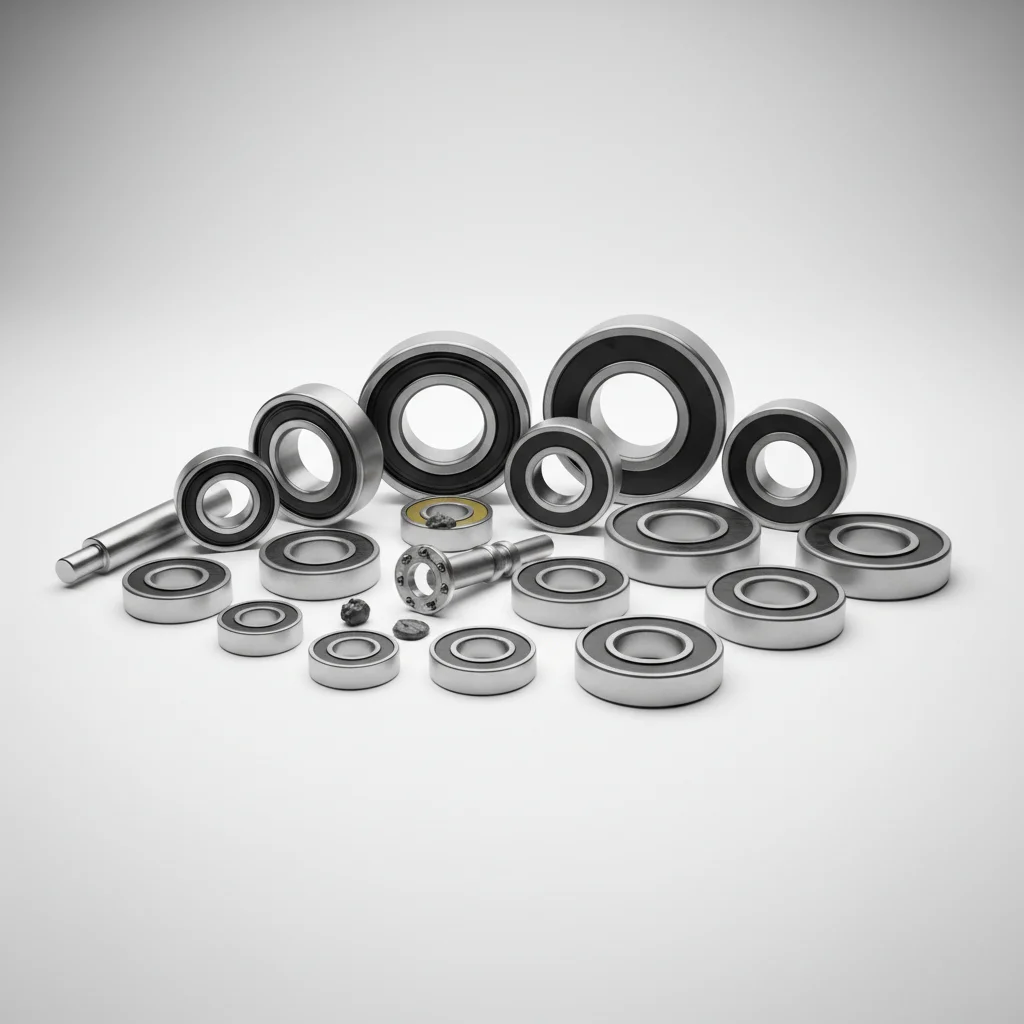
An elliptical trainer typically contains between 8 and 16 bearings, crucial components that ensure smooth operation and reduce friction in moving parts. These small but mighty elements are distributed throughout the machine, primarily in the pivot points of the pedals, the flywheel assembly, and the handle linkages. Understanding their function and location is key to maintaining your elliptical’s performance and longevity.
The Role of Bearings in Elliptical Functionality
Bearings are essential for any piece of fitness equipment with moving parts, and elliptical trainers are no exception. They allow components to rotate or slide with minimal resistance, preventing wear and tear on metal surfaces and ensuring a quiet, fluid motion. Without properly functioning bearings, an elliptical would quickly develop squeaks, grinding noises, and increased resistance, making workouts uncomfortable and potentially damaging the machine.
The quality and type of bearings can significantly impact the overall feel and durability of an elliptical. Higher-end models often feature sealed bearings, which are more resistant to dust and sweat, extending their lifespan and reducing the need for frequent maintenance. Lower-cost machines might use open bearings, which can be more susceptible to contamination and may require more frequent inspection and cleaning.
Common Locations for Bearings in Your Elliptical
The most common places you’ll find bearings in an elliptical trainer include the pedal arms, where they facilitate the smooth elliptical motion; the flywheel axle, which allows the flywheel to spin freely; and the pivot points of the moving handlebars. Some advanced models may also incorporate bearings in the incline mechanism or other adjustable components. Each bearing serves a specific purpose, contributing to the integrated movement of the machine.
- Pedal Arm Pivots: Typically 4-8 bearings, allowing the pedals to glide smoothly.
- Flywheel Axle: 2 bearings, supporting the main rotational component.
- Handlebar Linkages: 2-4 bearings, enabling fluid upper body movement.
- Rear Roller Tracks: 2-4 bearings, guiding the pedal rollers.
Diagnosing and Replacing Worn Bearings
|
Our Picks for the Best Elliptical Trainer in 2026
As an Amazon Associate I earn from qualifying purchases.
|
||
| Num | Product | Action |
|---|---|---|
| 1 | Cubii JR1, Under Desk Elliptical, Under Desk Bike Pedal Exerciser, Seated Elliptical, Work from Home Fitness, Mini Elliptical Machines for Home Use, Cubii Exerciser for Seniors, Desk Exercise |

|
| 2 | Under Desk Elliptical Machine, Electric Elliptical Leg Exerciser While Sitting for Seniors with Upgraded 15 Speeds & 12 Auto Mode, Forward & Reverse Direction, Quiet Portable Seated Pedal Exerciser |
|
| 3 | Elliptical Exercise Machine for Apartments and Homes,8 Levels of Magnetic Resistance,15.5-inch Stride Elliptical Machine, and Supports Users up to 400 pounds Elliptical Training Machines; |
|
| 4 | Under Desk Elliptical Machine, Electric Seated Pedal Exerciser, Min Leg Exerciser with Remoter, 12 Level Speeds, Forward & Reverse Direction, Manual & Auto Mode for Home Office |
|
| 5 | Under Desk Elliptical Machine, Electric Ellipse Leg Exerciser for Senior, Quiet and Compact Electric Seated Pedal Exerciser for Home with Display Monitor, Remote Control and 12 Adjustable Speeds |
|
| 6 | JLL Smart Mini Elliptical – Low-Impact Cardio, Quiet Magnetic Resistance (8 Levels), Compact for Home or Office, LCD Display, Bluetooth SunnyFit App Compatible |
|
| 7 | Under Desk Elliptical Machine, Upgraded 6 Adjustable Resistance &15 Speeds Electric Elliptical Leg Exerciser while Sitting for Seniors with Forward & Reverse Direction, Touch Screen and Remote Control |
|
| 8 | Under Desk Elliptical Machine, Electric Elliptical Leg Exerciser for Seniors Fully Assembled, Quiet & Portable Electric Seated Pedal Exerciser with Remote Control & 12 Adjustable Speeds |
|
| 9 | Sunny Health & Fitness Cardio Climber Stepping Elliptical Exercise Machine for Home with 8 Levels of Magnetic Resistance, Performance Monitor, Full Body Workout |
|
| 10 | Under Desk Elliptical Machine, Electric Elliptical as Seen on TV for Seniors Adults with 15 Adjustable Speed, Quiet & Portable Electric Seated Pedal Exerciser with Remote Control & 5 Auto Mode |
|
Worn-out bearings are a common cause of noise and rough operation in elliptical trainers. Symptoms often include grinding, squeaking, or a clunking sound coming from specific areas of the machine. Increased resistance or a jerky motion can also indicate bearing failure. To diagnose, carefully listen and feel for the source of the noise while operating the elliptical at a slow pace. You might need to remove covers to visually inspect the bearings for signs of wear, such as rust, looseness, or visible damage.
Replacing bearings can be a DIY task for those comfortable with basic tool use, but it requires patience and the correct replacement parts. Always consult your elliptical’s owner’s manual for specific instructions and part numbers. It’s often advisable to replace bearings in pairs or sets if they are part of a symmetrical assembly to ensure balanced performance.
Maintaining Your Elliptical’s Bearings for Longevity
Proper maintenance can significantly extend the life of your elliptical’s bearings. Regular cleaning to remove dust and debris is crucial, especially for open bearings. While sealed bearings generally require less attention, keeping the surrounding areas clean prevents contaminants from compromising their seals. Lubrication is also important for some bearing types, though many modern elliptical bearings are self-lubricating or sealed for life.
Always use the manufacturer-recommended lubricant if lubrication is required, as incorrect products can attract more dirt or damage the bearing material. Periodically check all bolts and fasteners around bearing points to ensure they are tight, as loose connections can put undue stress on the bearings. A proactive approach to maintenance will keep your elliptical running smoothly for years.
