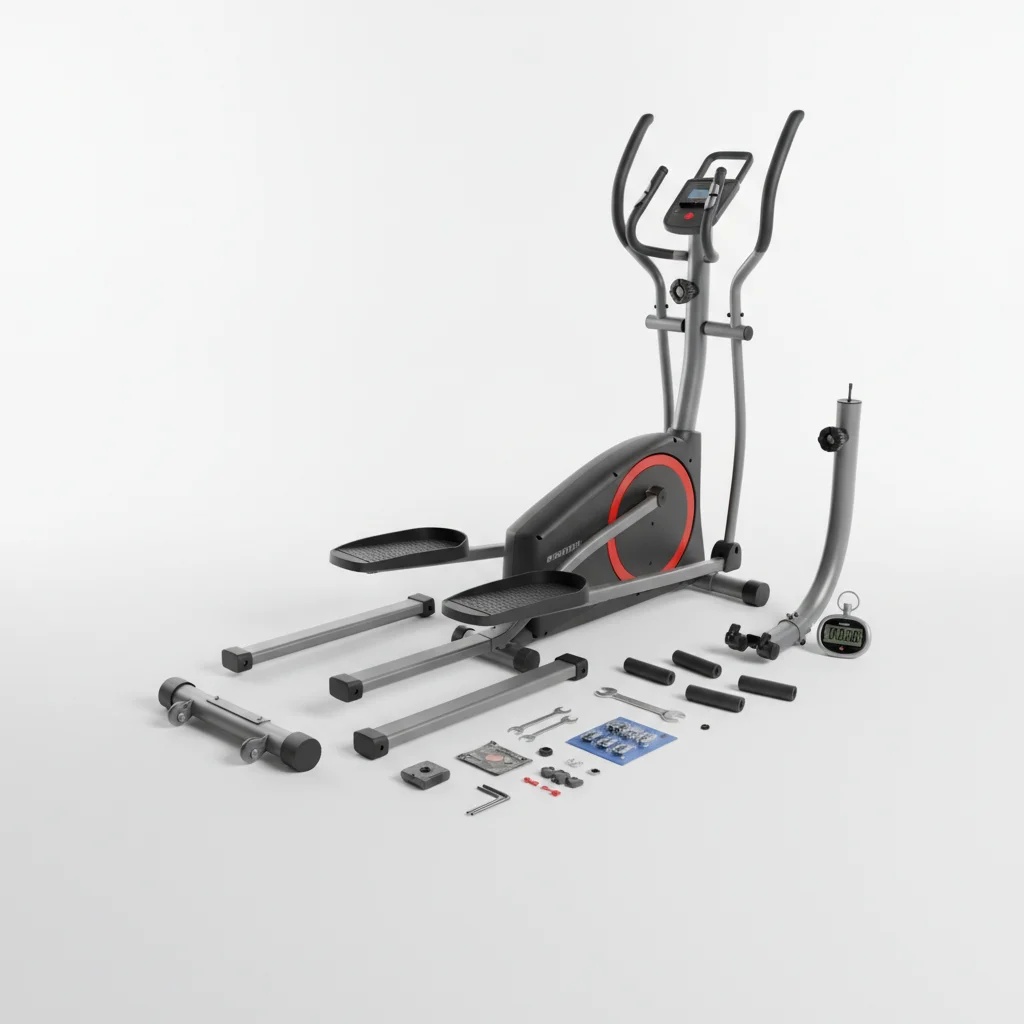
Assembling an elliptical trainer typically takes between 60 to 120 minutes for an average user, though this can vary based on the model’s complexity and your DIY experience. While some compact models might be quicker, larger, more feature-rich ellipticals often require more steps and careful attention to detail.
Factors Influating Assembly Duration
Several elements contribute to how long it takes to assemble your new elliptical. The brand and model are primary factors; some manufacturers design their equipment for easier home assembly with fewer parts, while others might have more intricate designs requiring precise alignment. The clarity and detail of the instruction manual also play a significant role. A well-written, illustrated guide can significantly reduce frustration and assembly time, whereas vague instructions can lead to delays. For home fitness buying guides on this site.
Your personal experience with assembling furniture or fitness equipment will also impact the process. Those familiar with tools and following diagrams may complete the task faster than someone new to such projects. Having a second person to assist can also cut down on time, especially when handling heavier components like the main frame or flywheel.
Essential Tools and Preparation
Before you begin, ensure you have all the necessary tools. Most ellipticals come with basic wrenches and screwdrivers, but having your own set of quality tools can make the job smoother and faster. A rubber mallet, adjustable wrench, and a set of Allen keys are often helpful. Clear a spacious area for assembly, as you’ll need room to maneuver large parts and lay out components. Unpack all parts and compare them against the parts list in the manual to confirm everything is present and undamaged. This pre-assembly check can prevent mid-assembly delays.
- Verify all parts against the manual’s list.
- Organize hardware into labeled groups.
- Clear a large, flat workspace.
- Have a second person available for heavy lifting.
- Review the entire instruction manual before starting.
Step-by-Step Assembly Overview
|
Our Picks for the Best Elliptical Trainer in 2026
As an Amazon Associate I earn from qualifying purchases.
|
||
| Num | Product | Action |
|---|---|---|
| 1 | Under Desk Elliptical Machine, Electric Elliptical Leg Exerciser While Sitting for Seniors with Upgraded 15 Speeds & 12 Auto Mode, Forward & Reverse Direction, Quiet Portable Seated Pedal Exerciser |

|
| 2 | Sunny Health & Fitness Cardio Climber Stepping Elliptical Exercise Machine for Home with 8 Levels of Magnetic Resistance, Performance Monitor, Full Body Workout |
|
| 3 | Under Desk Elliptical Machine, Electric Elliptical as Seen on TV for Seniors Adults with 15 Adjustable Speed, Quiet & Portable Electric Seated Pedal Exerciser with Remote Control & 5 Auto Mode |
|
| 4 | Under Desk Elliptical Machine, Electric Seated Pedal Exerciser, Min Leg Exerciser with Remoter, 12 Level Speeds, Forward & Reverse Direction, Manual & Auto Mode for Home Office |
|
| 5 | Elliptical Exercise Machine for Apartments and Homes,8 Levels of Magnetic Resistance,15.5-inch Stride Elliptical Machine, and Supports Users up to 400 pounds Elliptical Training Machines; |
|
| 6 | Under Desk Elliptical Machine, Electric Elliptical Leg Exerciser for Seniors Fully Assembled, Quiet & Portable Electric Seated Pedal Exerciser with Remote Control & 12 Adjustable Speeds |
|
| 7 | Under Desk Elliptical Machine, Electric Ellipse Leg Exerciser for Senior, Quiet and Compact Electric Seated Pedal Exerciser for Home with Display Monitor, Remote Control and 12 Adjustable Speeds |
|
| 8 | Under Desk Elliptical Machine, Upgraded 6 Adjustable Resistance &15 Speeds Electric Elliptical Leg Exerciser while Sitting for Seniors with Forward & Reverse Direction, Touch Screen and Remote Control |
|
| 9 | Cubii JR1, Under Desk Elliptical, Under Desk Bike Pedal Exerciser, Seated Elliptical, Work from Home Fitness, Mini Elliptical Machines for Home Use, Cubii Exerciser for Seniors, Desk Exercise |
|
| 10 | JLL Smart Mini Elliptical – Low-Impact Cardio, Quiet Magnetic Resistance (8 Levels), Compact for Home or Office, LCD Display, Bluetooth SunnyFit App Compatible |
|
Most elliptical assembly processes follow a similar pattern. You’ll typically start by attaching the stabilizer bars to the main frame, followed by the upright post. Next, the console mast and handlebars are usually installed. The pedal arms and footplates come after, often requiring careful alignment with the drive system. Finally, the console and any covers are attached, and all connections are secured. It’s crucial to tighten all bolts and screws properly, but avoid over-tightening, which can strip threads or damage components.
Always follow the manufacturer’s specific sequence to ensure structural integrity and proper function. Skipping steps or assembling parts out of order can lead to instability or operational issues later on.
Troubleshooting Common Assembly Challenges
Even with clear instructions, you might encounter common challenges. Misaligned holes are a frequent issue; gently wiggling parts or slightly loosening adjacent bolts can sometimes help. If a bolt doesn’t seem to fit, double-check that you’re using the correct hardware for that step, as many ellipticals have different sizes of screws and washers. If you encounter a persistent problem, refer to the troubleshooting section of your manual or contact the manufacturer’s customer support. Many brands also offer online assembly videos that can provide visual guidance.
Another common snag is incorrectly routing cables for the console or resistance system. Pay close attention to diagrams showing cable paths to avoid pinching or damaging them during assembly. Testing all functions, such as resistance levels and console display, immediately after assembly is a good practice to catch any issues early.
Post-Assembly Checks and First Use
Once assembly is complete, perform a thorough check. Walk around the elliptical, ensuring all bolts are snug and no parts are loose or wobbly. Test the resistance levels, check the console display, and make sure the pedals move smoothly without any grinding or unusual noises. Take a few minutes to familiarize yourself with the machine’s basic operation before starting your first full workout. This final inspection ensures safety and optimal performance, setting you up for a great home fitness experience.

My Nautilus elliptical arrived last week, and I was pleasantly surprised by the assembly. I’d heard horror stories, but following the advice to lay out all the parts first really helped. It took my husband and me about an hour and a half. The machine feels really sturdy, and we’ve been using it daily since then.
I’m pretty handy with DIY projects, so I wasn’t too worried about assembling my new Horizon Fitness elliptical. It was a compact model, and I managed to get it done in just under an hour, which was great. Having all the tools clearly labeled and the parts organized made a huge difference. Very happy with how quickly I could start my workouts!
I just got my new Schwinn elliptical and was dreading the setup. Based on what I read here, I set aside a good two hours, and it actually took me about 90 minutes. The instructions were pretty clear, which helped a lot. Definitely recommend having a second person for a few steps, especially lifting the main console.
My ProForm elliptical took way longer than the 120 minutes mentioned. I think the issue was mostly with the vague instructions; some of the diagrams were really hard to follow. It’s a solid machine now that it’s built, but be prepared for a bit of a headache if your manual isn’t super detailed. I wish I’d known to check for video guides beforehand.