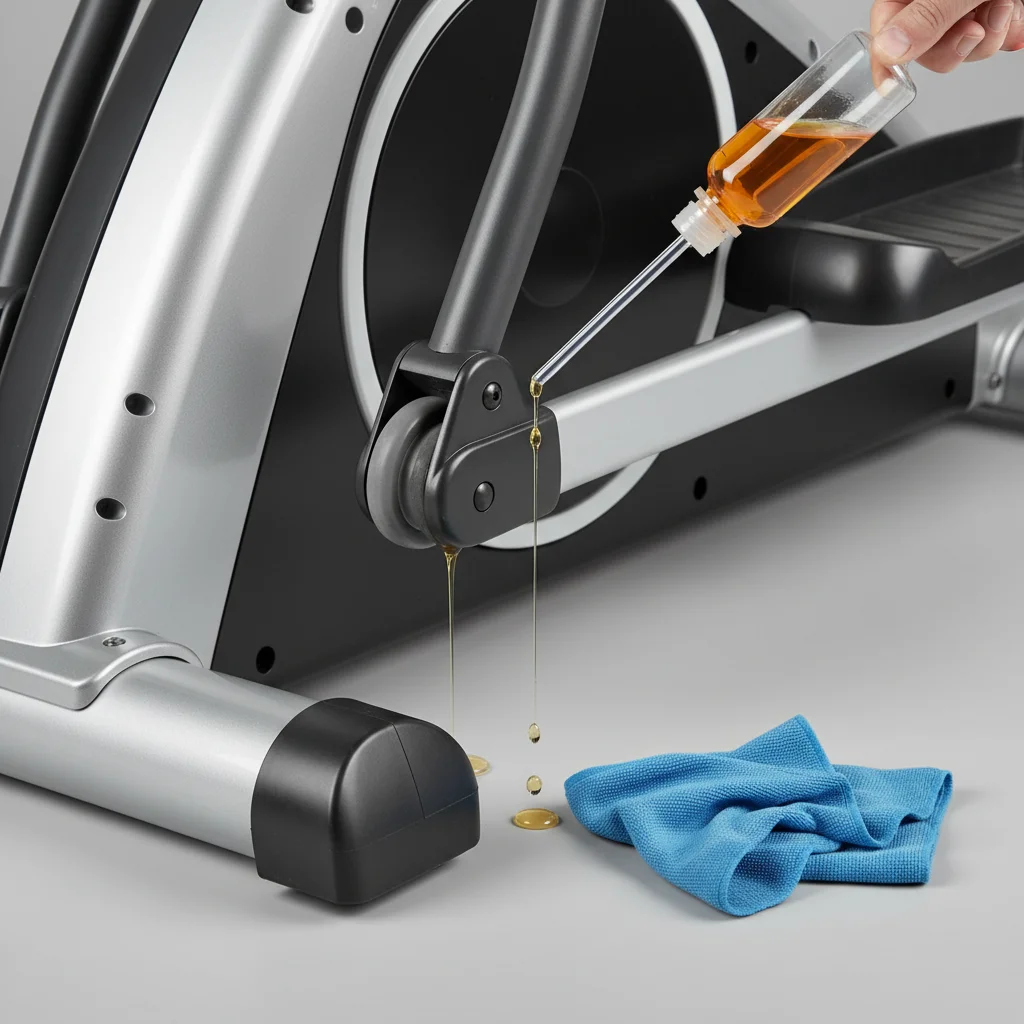
To ensure longevity and smooth operation, you should lubricate the moving parts of your elliptical trainer every 3 to 6 months, depending on usage frequency and the specific model’s recommendations. This routine maintenance prevents friction, reduces noise, and extends the lifespan of critical components such as bearings, pivots, and the drive system.
Understanding Your Elliptical’s Lubrication Needs
Different elliptical trainers have varying lubrication requirements. High-end models often feature sealed bearings that require less frequent attention, while more budget-friendly options might need more regular oiling. Always consult your owner’s manual for specific instructions regarding lubrication points and recommended lubricants. Using the wrong type of lubricant can damage components or attract dust and debris, leading to premature wear.
Key areas that typically benefit from lubrication include the pivot points on the arms and pedals, the rail system where the rollers glide, and sometimes the drive belt mechanism if it’s exposed and designed for user maintenance. Pay close attention to any squeaking or grinding noises, as these are often indicators that lubrication is overdue.
Choosing the Right Lubricant for Your Elliptical
Selecting the appropriate lubricant is paramount. Silicone-based lubricants are generally recommended for plastic and rubber components, such as the glide rails and bushings, as they won’t degrade these materials. For metal-on-metal contact points, a light machine oil or a lithium-based grease might be more suitable. Avoid using WD-40 or similar penetrating oils as a long-term lubricant, as they are primarily designed for cleaning and rust prevention and can dry out quickly, leaving parts unprotected.
Many manufacturers offer their own branded lubricants, which are often the safest choice. If you’re unsure, a general-purpose silicone spray designed for fitness equipment is a good starting point for most home ellipticals. Always apply lubricants sparingly; too much can attract dirt and create a mess.
Step-by-Step Lubrication Process
|
Our Picks for the Best Elliptical Trainer in 2026
As an Amazon Associate I earn from qualifying purchases.
|
||
| Num | Product | Action |
|---|---|---|
| 1 | Under Desk Elliptical Machine, Electric Elliptical as Seen on TV for Seniors Adults with 15 Adjustable Speed, Quiet & Portable Electric Seated Pedal Exerciser with Remote Control & 5 Auto Mode |

|
| 2 | Under Desk Elliptical Machine, Electric Seated Pedal Exerciser, Min Leg Exerciser with Remoter, 12 Level Speeds, Forward & Reverse Direction, Manual & Auto Mode for Home Office |
|
| 3 | Under Desk Elliptical Machine, Upgraded 6 Adjustable Resistance &15 Speeds Electric Elliptical Leg Exerciser while Sitting for Seniors with Forward & Reverse Direction, Touch Screen and Remote Control |
|
| 4 | Elliptical Exercise Machine for Apartments and Homes,8 Levels of Magnetic Resistance,15.5-inch Stride Elliptical Machine, and Supports Users up to 400 pounds Elliptical Training Machines; |
|
| 5 | Under Desk Elliptical Machine, Electric Elliptical Leg Exerciser While Sitting for Seniors with Upgraded 15 Speeds & 12 Auto Mode, Forward & Reverse Direction, Quiet Portable Seated Pedal Exerciser |
|
| 6 | JLL Smart Mini Elliptical – Low-Impact Cardio, Quiet Magnetic Resistance (8 Levels), Compact for Home or Office, LCD Display, Bluetooth SunnyFit App Compatible |
|
| 7 | Sunny Health & Fitness Cardio Climber Stepping Elliptical Exercise Machine for Home with 8 Levels of Magnetic Resistance, Performance Monitor, Full Body Workout |
|
| 8 | Under Desk Elliptical Machine, Electric Elliptical Leg Exerciser for Seniors Fully Assembled, Quiet & Portable Electric Seated Pedal Exerciser with Remote Control & 12 Adjustable Speeds |
|
| 9 | Under Desk Elliptical Machine, Electric Ellipse Leg Exerciser for Senior, Quiet and Compact Electric Seated Pedal Exerciser for Home with Display Monitor, Remote Control and 12 Adjustable Speeds |
|
| 10 | Cubii JR1, Under Desk Elliptical, Under Desk Bike Pedal Exerciser, Seated Elliptical, Work from Home Fitness, Mini Elliptical Machines for Home Use, Cubii Exerciser for Seniors, Desk Exercise |
|
Before you begin, ensure your elliptical trainer is unplugged and stable. Gather your chosen lubricant, a clean cloth, and any tools needed to access specific parts (e.g., a screwdriver to remove covers). First, clean any visible dirt or dust from the areas you intend to lubricate. This prevents abrasive particles from being worked into the moving parts.
- Locate all pivot points on the arms and pedals.
- Apply a small amount of lubricant to each pivot, working it in by moving the part.
- Clean the glide rails and apply a thin, even layer of silicone lubricant.
- Inspect the drive belt area for any exposed metal parts that might require a light machine oil.
- Wipe away any excess lubricant to prevent dust accumulation.
After lubricating, operate your elliptical at a slow pace for a few minutes to distribute the lubricant evenly. Listen for any remaining noises and reapply if necessary. Regular cleaning of your elliptical’s exterior will also help keep dust and grime from migrating into the moving parts.
Benefits of Consistent Lubrication
Consistent lubrication offers several significant benefits. It dramatically reduces friction, which in turn minimizes wear and tear on components, extending the life of your machine. A well-lubricated elliptical operates more smoothly and quietly, enhancing your workout experience. It also prevents the buildup of rust and corrosion on metal parts, which can lead to costly repairs down the line.
Think of lubrication as preventative medicine for your fitness equipment. A few minutes of maintenance every few months can save you hundreds of dollars in repair costs and ensure your elliptical is always ready for your next workout.
When to Seek Professional Help
While most lubrication tasks are straightforward for the average user, there are instances when professional help is advisable. If you notice persistent grinding noises even after lubrication, or if you suspect internal components like the flywheel bearings are failing, it’s best to contact a certified technician. Attempting complex internal repairs without proper knowledge can void your warranty or cause further damage.
Additionally, if your elliptical’s manual specifies specialized lubricants or complex disassembly for certain lubrication points, a professional can ensure the job is done correctly and safely. Regular professional check-ups, perhaps annually, can also help identify potential issues before they become major problems, ensuring your elliptical remains in peak condition for years to come.
Frequently Asked Questions
How often should I lubricate my elliptical trainer?
You should lubricate your elliptical trainer every 3 to 6 months. This frequency can vary based on how often you use the machine and the specific recommendations in your owner's manual. Regular lubrication prevents excessive friction and reduces wear on moving parts.
What type of lubricant is best for elliptical trainers?
For plastic and rubber components like glide rails, silicone-based lubricants are generally recommended. For metal-on-metal contact points, a light machine oil or lithium-based grease is more suitable. Always check your owner's manual for manufacturer-specific recommendations.
Which parts of an elliptical trainer need lubrication?
Key areas that typically need lubrication include the pivot points on the arms and pedals, the rail system where the rollers glide, and sometimes the drive belt mechanism if it's exposed. Any part that moves or rubs against another component can benefit from lubrication.
Can using the wrong lubricant damage my elliptical?
Yes, using the wrong type of lubricant can damage components, attract dust and debris, and lead to premature wear. For example, WD-40 is not a long-term lubricant and can dry out quickly, leaving parts unprotected. Always use lubricants recommended for fitness equipment.
When should I call a professional for elliptical maintenance?
You should seek professional help if you notice persistent grinding noises even after lubrication, or if you suspect internal components like flywheel bearings are failing. A professional can also assist if your manual specifies specialized lubricants or complex disassembly for certain points.
Lubricate Your Elliptical Trainer
A step-by-step guide to properly lubricating your elliptical trainer to ensure smooth operation and extend its lifespan.
Unplug your elliptical trainer and ensure it is stable. Gather your chosen lubricant, a clean cloth, and any necessary tools. Clean any visible dirt or dust from the areas you intend to lubricate to prevent abrasive particles from being worked into moving parts.
Locate all pivot points on the arms and pedals of your elliptical. Apply a small amount of the appropriate lubricant to each pivot. Work the lubricant in by moving the part back and forth gently.
Clean the glide rails thoroughly to remove any debris. Apply a thin, even layer of silicone lubricant to the rails. This helps the rollers move smoothly and quietly.
Inspect the drive belt area for any exposed metal parts that might require a light machine oil, if applicable to your model. Apply sparingly if needed. Wipe away any excess lubricant from all areas to prevent dust accumulation.
After lubricating, operate your elliptical at a slow pace for a few minutes to distribute the lubricant evenly. Listen for any remaining noises and reapply lubricant if necessary. Regular exterior cleaning also helps prevent dust migration.

I tried lubricating the pivots on my older elliptical, but it didn’t completely get rid of the clunking noise. I followed the instructions carefully, and maybe it’s just too old. It did help a little with the overall smoothness, but I was hoping for a total fix. Still, good advice on preventing friction.
I always just assumed all ellipticals needed the same kind of oiling, but learning about the difference with sealed bearings in high-end models was a game-changer. My new machine barely needs any attention, which is fantastic. It’s great to know I’m not going to accidentally damage it by using the wrong lubricant.
I used to just ignore the squeaking on my elliptical, thinking it was normal wear and tear. After reading about lubricating the drive system, I finally got around to it. What a difference! It’s so much quieter now, and the motion feels incredibly smooth. Definitely worth the small effort for such a big improvement.
This guide was super helpful for figuring out how often to oil my elliptical. I have a mid-range model, and I was probably overdoing it before. Now I’m sticking to the 3-6 month schedule, and it seems to be working out perfectly. My only minor complaint is that finding the exact lubrication points in my manual was a bit tricky.